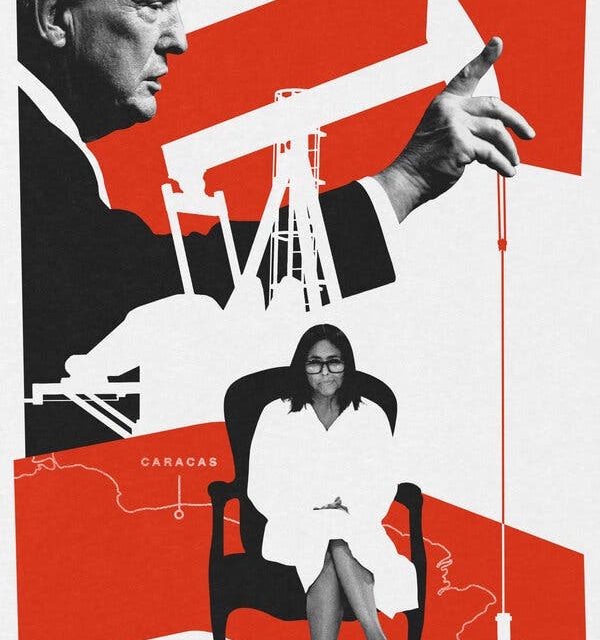
Since the U.S. Special Forces apprehended President Nicolás Maduro of Venezuela in January, American officials and oil executives have frequently visited Caracas. Their aim is to guide the government, mirroring actions taken by colonial administrators in the past. As detailed by The Times, Secretary of State Marco Rubio communicates with Delcy Rodríguez, Venezuela’s acting president, via text message. Rubio manages the nation’s access to its oil revenues and influences government hires and dismissals. Under Rubio’s guidance, Rodríguez has opened the nation to U.S. companies. According to the Trump administration, discussions about democratic elections should wait until Venezuela stabilizes its energy sector and recovers economically.
The economist Carlos Mendoza Potellá highlights a shift in Venezuela’s statehood, asserting that the country has relinquished its national sovereignty, becoming territory run by foreign decisions.
Labels like “puppet regime” and “colony” have emerged to describe Venezuela’s situation. Yet, these terms fail to fully capture its complexity. According to the Montevideo Convention of 1933, Venezuela has a government, a defined territory, and relations with other nations; however, its autonomy is questioned. With no U.S. military occupying force, although 900 American troops aid earthquake recovery, the Rodríguez government operates with limited independence. Javier Corrales, a political scientist, states, “This is not an occupied nation, but it is a nation that has essentially surrendered a lot of its economic assets to the United States.”
The U.S. involvement in Venezuela exemplifies how modern empires operate without needing formal occupations. As Tom Long from the University of Warwick notes, occupations are costly and impractical. Instead, powerful nations exert control over smaller states through alternative means. Sovereignty, once viewed as indivisible, now resembles a “bundle of rights” that can be traded or outsourced. Small nations, like Angola and Mozambique, have delegated governance roles to foreign entities. Australia has managed policing in the Solomon Islands. Many countries have requested supervision from entities like the U.N. or the I.M.F. when unable to govern effectively. China’s Belt and Road Initiative similarly enables influence over participating nations, while European Union membership involves surrendering certain sovereign rights.
 State Department Simplifies Passport Process with Online Applications
 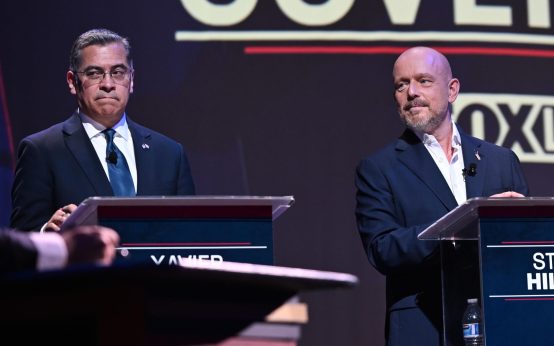 Becerra and Hilton Clash in California Gubernatorial Debate
  California Voters to Decide on $7.5 Billion State Research Fund
 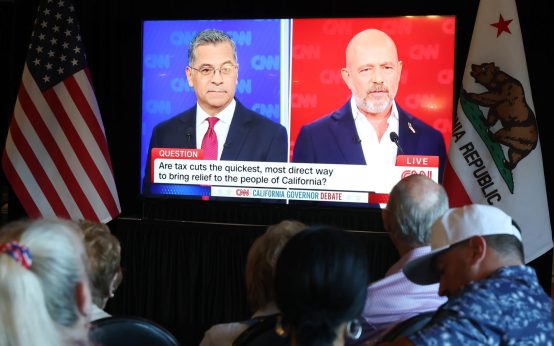 Highlights from the California Gubernatorial Debate: Becerra vs. Hilton
 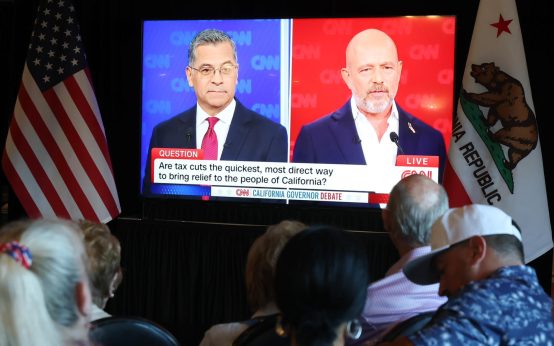 Becerra vs. Hilton: The Debate and Key Issues in the California Governor Race
  Senate Confirms New Labor Secretary