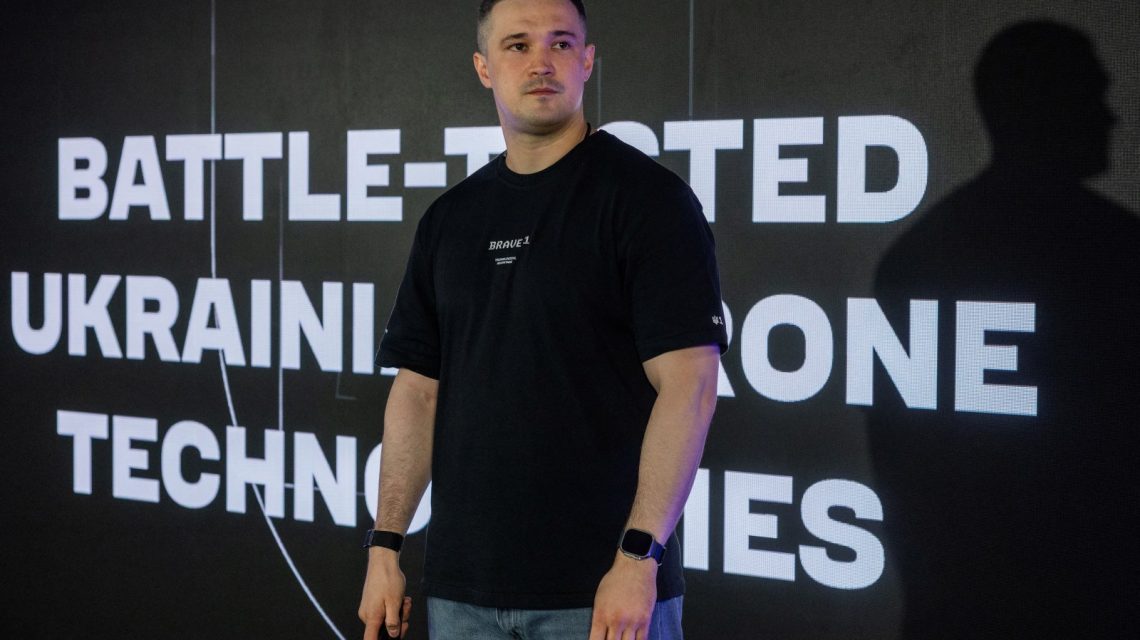
Zelensky Faces Turbulent Week
Volodymyr Zelensky has encountered challenges this week. Anti-corruption officials have raided the office of Iryna Mudra, his deputy presidential chief of staff, and another senior lawmaker. This follows a call for elections by a popular minister removed by Zelensky in July. Despite Ukraine’s martial law, the former defense minister, Mykhailo Fedorov, addressed corruption issues in a YouTube video, suggesting elections must proceed.
Fedorov did not directly mention Zelensky, but his message was clear. His challenge questions the legitimacy of the current government.
Polling Indicates Public Hesitation
The Kyiv International Institute of Sociology (KIIS) conducted a poll showing that most Ukrainians are against holding elections during the conflict. Only 15% support elections amidst the war. In contrast, 57% believe elections should wait until a peace agreement is reached. Another 23% favor elections only after a secure ceasefire.
Opposition to elections isn’t solely due to loyalty to Zelensky. Even among those who distrust him, only 44% support holding elections during active conflict. Instead, 50% feel a ceasefire or full peace agreement should happen first.
Although Zelensky’s popularity has dipped, there is no strong desire to replace him while Russian forces attack Ukrainian cities. Fedorov’s push for elections faces significant public skepticism.
Legal and Political Barriers
Ukrainian law allows elections to be postponed under martial law, making Fedorov’s call unrealistic. Chatham House’s Orysia Lutsevych suggests Fedorov aims to pressure Zelensky and enhance his negotiating power through public sentiment.
Fedorov’s career demonstrates his desire for swift change, evidenced by his digital innovations and defense advancements. His removal from the Ministry of Defense led to public backlash.
EU Membership Aspirations
Many Ukrainians, around 70%, support joining the European Union based on a SOCIS poll. Yet, anti-corruption actions, like recent raids, show Ukraine has reforms to implement before joining. Fedorov argues that significant political change is necessary for EU acceptance, though Western allies discourage wartime elections.
Military Leadership and Political Future
Valery Zaluzhnyi, Ukraine’s former commander-in-chief, is seen as a potential future presidential contender. Despite his criticisms of NATO and desire for new alliances, he has avoided challenging Zelensky during the conflict. Zaluzhnyi’s focus remains on fulfilling his duties as ambassador, emphasizing unity during the war.
Currently, with a significant military force active, displaced citizens, and ongoing occupation challenges, most Ukrainians view a presidential election as a future matter.
 Australia Investigates FlyDubai Incident Amid Security Concerns
  U.S. Military Operations in the Strait of Hormuz: Analyzing Sustainability and Impact
 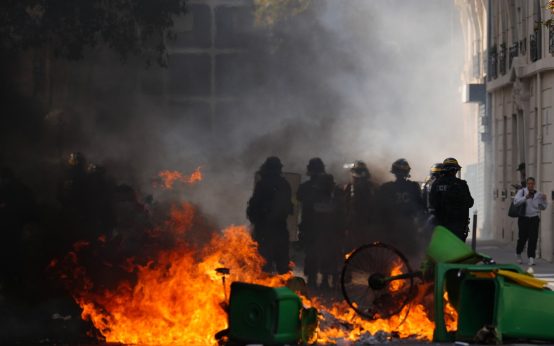 Escalating Student Protests in France: A Call for Educational Reform
 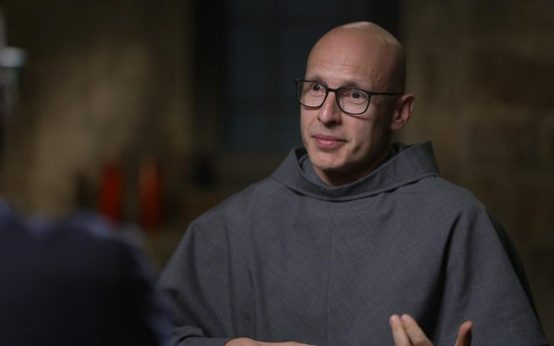 Advanced Technology Aids Restoration of Basilica of Saint Francis of Assisi
  U.S. Monitors Potential Pneumonic Plague Case in Russia
 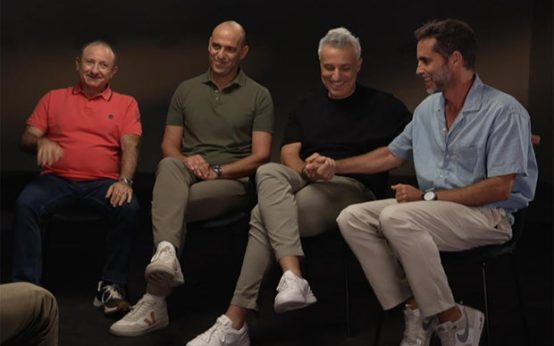 Heroic Passengers Prevent Catastrophe on Flight 1073