China’s new AI model, Kimi K3, stunned the U.S. tech sector. Moonshot, a Beijing startup, released this model, drawing comparisons to Anthropic’s Claude and OpenAI’s ChatGPT. Anastasios Angelopoulos, CEO of Arena, praised Kimi K3 as possibly the year’s biggest release. It surpassed U.S. models in ‘front-end coding capability’ on Arena’s charts, promising top performance. Angelopoulos shared these results on social media.
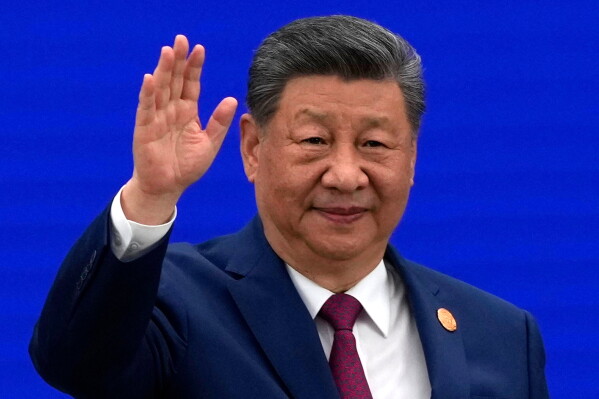
This reveal coincided with President Xi Jinping’s speech at the World Artificial Intelligence Conference in Shanghai. U.S. tech restrictions propelled China’s efforts to bolster its capabilities, fueling economic competition. Xi called for global AI cooperation, discouraging sole dominance.
Moonshot’s Kimi K3 followed the Zhipu startup’s GLM-5.2 release last month. Developers worldwide use the GLM-5.2, noting it competes with U.S. models at lower costs. The excitement mirrors last year’s reaction to DeepSeek’s model, which drew mixed reviews. Tech analyst Patrick Moorhead likened the response to K3 to DeepSeek’s, noting potential industry benefits yet challenges for Anthropic and OpenAI.
During the conference, Huawei showcased its Atlas 950 SuperPoD AI system. Despite U.S. import restrictions, China strengthens its domestic hardware capabilities. Moonshot partnered with Huawei but hasn’t disclosed K3’s hardware specifics. Bank of America notes K3’s pricing falls beneath OpenAI’s GPT-5.6 Sol model, offering competitive cost advantages.
U.S. firms, including Anthropic and OpenAI, accuse Chinese models of illicitly using their technologies via distillation. Beijing refuted these allegations, calling them baseless. Distillation involves training lesser models with outputs from superior systems, speeding up development at reduced costs. Anthropic labeled the practice legitimate but problematic when misused.
Conversely, Anysphere’s Cursor was based on Moonshot’s K2.5 model. SpaceX eyes acquiring Cursor for $60 billion. Moonshot CEO Yang Zhilin earned his Ph.D. from Carnegie Mellon University, contributing significantly to machine learning. His former advisor, Russ Salakhutdinov, praised Zhilin’s success as a victory for open-source initiatives.
Open-source AI makes key components accessible for modification, fostering innovation. Critics, however, highlight security risks. The Associated Press writer Chan Ho-him contributed to this report.
 British Police Arrest Man Suspected of Terror Plot
  Activists Push for Nationwide Ban on Child Marriage in the U.S.
  Investigation into Alleged Incident at Cornell University
  Trump Unveils AI-Powered America.gov Platform
  Rising Drone Threats Highlight Vulnerabilities in Moldova’s Airspace Defense
  Bolivia Faces Security Test Amid Unrest