
The academic community was stirred recently when a report identified anthropologists as exemplifying political groupthink. This report, titled ‘Report on the State of Scholarship in the Humanities and the Humanistic Social Sciences,’ was commissioned by Vanderbilt University and Washington University in St. Louis. The findings angered many within the anthropological field, sparking debates about intellectual diversity.
Anthropologists found themselves the focal point of criticism, as the report suggested their discipline lacked varied perspectives and was marked by conformity. The response from scholars was largely defensive, reflecting broader concerns about insularity within college campuses.
College campuses have long been scrutinized for fostering environments where ideological diversity is limited. Critics argue that intellectual homogeny stifles scholarly growth, depriving students of exposure to contrasting viewpoints. This recent controversy underscores the ongoing need for academic settings to embrace a wider range of ideas and challenge prevailing norms.
The report’s impact extends beyond anthropology, raising questions about political diversity across academic fields. Educational institutions may need to assess their policies and practices to ensure they cultivate an inclusive atmosphere that welcomes diverse ideologies.
As universities continue to confront these issues, the challenge lies in balancing academic freedom with the inclusion of varied perspectives. This dialogue is crucial for promoting intellectual vibrancy and ensuring that higher education remains a space for robust debate and diverse thought.
 Larkin High School Unveils First Outdoor Sports Stadium
 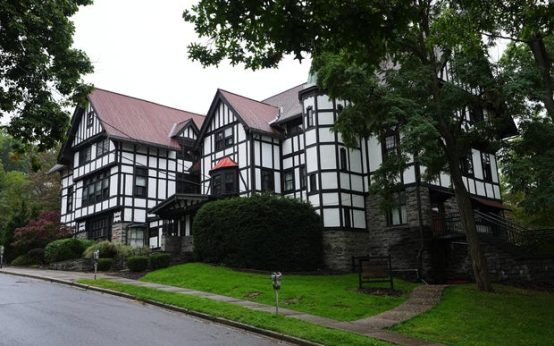 Cornell University Fraternity Faces Allegations in Sexual Assault Case
 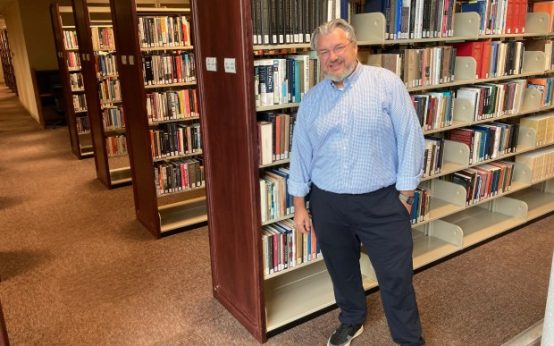 Troy Swanson: Award-Winning Librarian Transforming Academic Libraries
 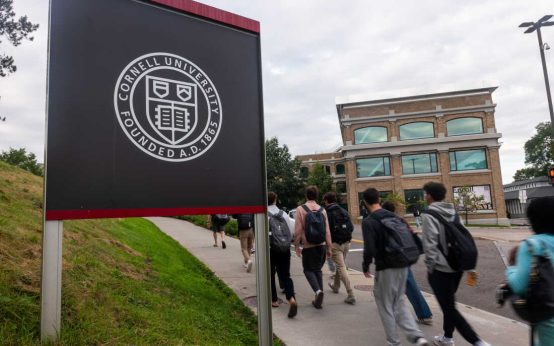 Cornell University to Investigate Handling of Alleged Assault Case
  Legal Challenge Against School Funding Inequalities in West Virginia
  Potential Changes Loom for School Voucher Programs