Following more than a week of strikes that dismantled a fragile cease-fire, tensions between the United States and Iran are at a critical juncture. Analysts emphasize the need for both nations to engage in negotiations to avert a potentially uncontrollable conflict.
The situation is compounded by economic and political constraints facing both nations. Recent actions by Tehran and Washington have escalated beyond military targets, increasing the risk of an expansive conflict.
Both the United States and Iran have targeted infrastructure, including water and desalination plants. This action threatens to cut off essential supplies of power and water to thousands during the hostile Gulf summer. The vital Strait of Hormuz experiences disruptions from both sides, while U.S. forces have reinstated a blockade of Iranian ports.
The United States has conducted heavy bombings on roads and infrastructure in southern Iran. These strikes not only result in civilian casualties but also heighten concerns of preparing for a potential invasion.
Iranian strikes have impacted U.S. forces stationed in Jordan, resulting in two American fatalities and numerous injuries. This development brings the war’s human cost closer to home, challenging the U.S. administration’s narrative of military supremacy.
 British Police Arrest Man Suspected of Terror Plot
  Activists Push for Nationwide Ban on Child Marriage in the U.S.
  Investigation into Alleged Incident at Cornell University
  Rising Drone Threats Highlight Vulnerabilities in Moldova’s Airspace Defense
  Bolivia Faces Security Test Amid Unrest
 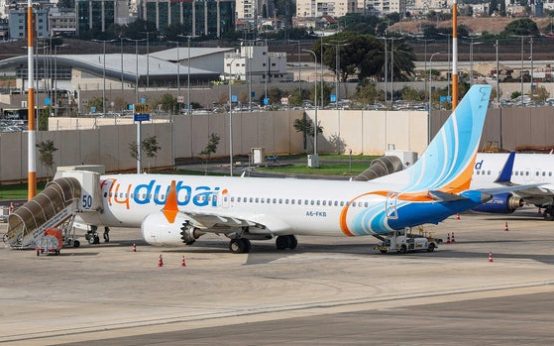 Incident on FlyDubai Flight Raises Security Concerns