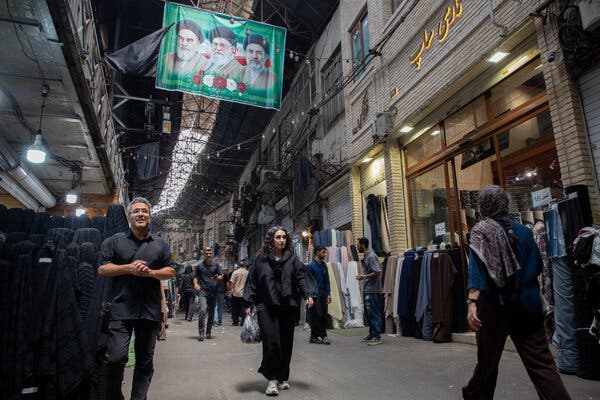
Following more than a week of strikes that dismantled a fragile cease-fire, tensions between the United States and Iran are at a critical juncture. Analysts emphasize the need for both nations to engage in negotiations to avert a potentially uncontrollable conflict.
The situation is compounded by economic and political constraints facing both nations. Recent actions by Tehran and Washington have escalated beyond military targets, increasing the risk of an expansive conflict.
Both the United States and Iran have targeted infrastructure, including water and desalination plants. This action threatens to cut off essential supplies of power and water to thousands during the hostile Gulf summer. The vital Strait of Hormuz experiences disruptions from both sides, while U.S. forces have reinstated a blockade of Iranian ports.
The United States has conducted heavy bombings on roads and infrastructure in southern Iran. These strikes not only result in civilian casualties but also heighten concerns of preparing for a potential invasion.
Iranian strikes have impacted U.S. forces stationed in Jordan, resulting in two American fatalities and numerous injuries. This development brings the war’s human cost closer to home, challenging the U.S. administration’s narrative of military supremacy.
 The Threat of Melting Glaciers: A Call to Action
  Police Discover Ancient Roman Artifacts Off Sardinian Coast
  Urgent Need for Action in East Africa’s Food Crisis
  Suspected Plague Death in Siberia Sparks Health Measures
 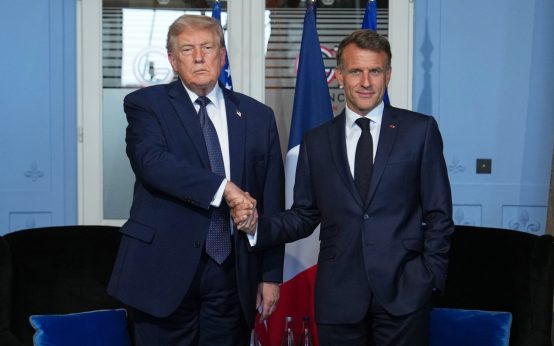 G7 Nations Agree to Release 100 Million Barrels of Oil Amid Fuel Price Surge
  Co-Pilot Attempts Hijack on Flight to Tel Aviv