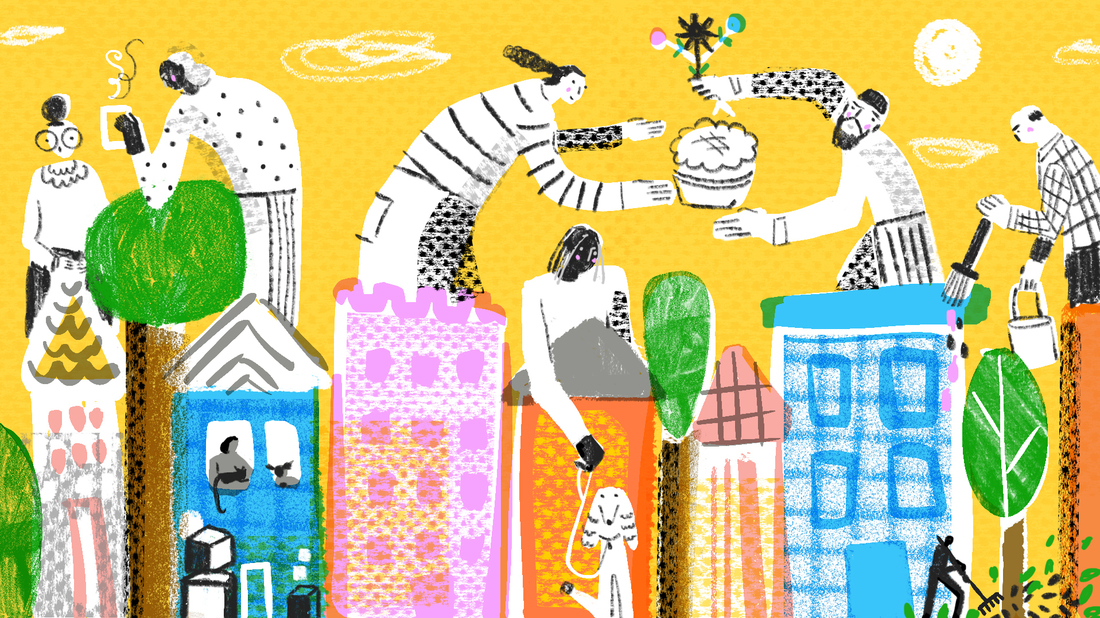
Do you know your neighbors? Not just their names, but details about their lives, such as the holidays they celebrate or the cars they drive? Knowing your neighbors can create a sense of comfort and community. A 2018 Pew Research study found that about 25% of adults under 30 do not know any of their neighbors. However, building connections with those around you can offer a valuable sense of belonging.
Learning to Be a Kind Neighbor
Chris Loggins, supervising producer of the animated show Daniel Tiger’s Neighborhood, emphasizes the importance of teaching young people to be kind neighbors. The show, aimed at children aged two to four, draws inspiration from Mister Rogers’ Neighborhood. It includes strategy songs with catchy tunes and simple lyrics to help children learn social and emotional skills. Loggins and other community experts share tips for becoming kinder, more caring neighbors.
Get to Know Your Neighbors
The first step to being a kind neighbor is getting to know those who live around you. Step out of your comfort zone to learn their names and professions. Let them know you are available to help if needed. When Loggins moved to a new area, his neighbors made him feel welcome by assisting with the setup. Building these connections does not require significant resources. A simple introduction and a friendly hello can be enough.
Practice Small Acts of Kindness
Showing care for your neighborhood can be achieved through small gestures. Actions like picking up litter or helping with pets demonstrate thoughtfulness. Use your strengths to offer unique gestures of kindness, such as sharing flowers from your garden with new neighbors. Every small effort counts.
The Benefits of Connection
Though it might be tempting to avoid interaction, engaging with others is beneficial. Reaching out can boost your mood over time. According to Emma Seppälä, social connectedness positively impacts emotional and physical well-being. Small acts of kindness can create a ripple effect, encouraging others to continue the generosity.
Encourage Engagement With Others
While fostering connections is vital, balancing safety considerations is important. Zach Norris from the Ella Baker Center for Human Rights discusses the challenges of encouraging interaction while teaching children about safety. He suggests exposing children to diverse individuals and experiences to help them understand community dynamics more deeply.
Check Your Implicit Bias
Being part of a community involves looking out for your neighbors. Before acting on feelings of unease or suspicion, reflect on underlying biases. Ask yourself why someone might appear out of place and if their presence genuinely endangers anyone’s well-being. Treat all community members with respect, as your actions and attitudes influence those around you, including children.
Build a safer neighborhood by actively fostering community spirit and respect for all individuals. Share your life hacks with us by leaving a voicemail at 202-216-9823 or emailing [email protected]. Subscribe to our newsletter for more insights.
 The Quest for the Knuckleball Dream
  Navigating Grief After a Sibling’s Overdose
  Tragedy and Immigration: The Impact on a Family
  The Journey of a Fox News Correspondent: From Infectious Diseases to On-Air Reporting and Beyond
  Midwest Underground Railroad Network Gains National Recognition
  Journalist Jodie T. Allen Passes Away at 88