In the summer of 2012, R.A. Dickey captured attention by emerging as a top pitcher and winning the Cy Young award. His mastery of the knuckleball, a slow pitch that doesn’t spin, inspired many fans. The pitch has a history of bringing unexpected players into the spotlight of Major League Baseball, even reaching Hall of Fame status.
During this time, I watched my sons practice the knuckleball in our backyard. Curious about how far they could take their newfound skill, I embarked on a decade-long journey. I discovered others shared this dream. Among them were two wealthy businessmen whose stories intersect in my book, “School of Hard Knucks: My Three Sons and Baseball’s Wildest Pitch.”
A key character is Howard Rich, a Brooklyn real estate investor with a passion for free-market principles. He had season tickets to the Mets, sitting six rows behind home plate, the perfect spot to observe Dickey’s knuckleball achievements in 2012. His wife, Andrea, questioned why such a difficult pitch was rare in the major leagues. Seeing this as a missed opportunity, Rich planned to address it by creating the International Knuckleball Academy (IKA). He enlisted two minor league knuckleballers, Chris Nowlin and Zach Staniewicz, to lead the initiative.
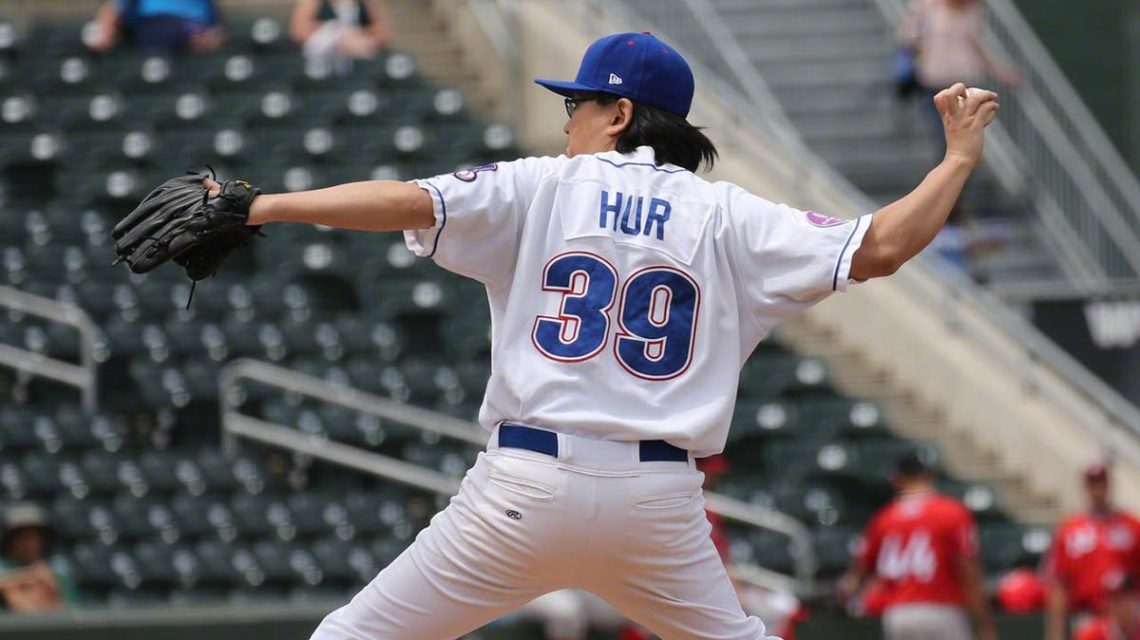
Halfway across the world, a successful video game entrepreneur in South Korea nurtured a childhood dream of playing professional baseball. Min Hur believed mastering the knuckleball could give him a chance on the baseball field. He transformed the rooftop of his Seoul office into a private training ground with advanced technology for tracking pitches. He sought guidance from legendary knuckleballer Phil Niekro, who invited Hur to his home in Atlanta and taught him the nuances of the pitch over a month-long mentorship. Hur also learned from Charlie Hough, another knuckleballing legend.
In 2013, Hur secured the services of a well-connected agent who arranged tryouts with several major league teams, including the Rangers, Mariners, and Diamondbacks. However, all declined to advance Hur’s career. Finally, the Rockland Boulders, an independent minor league team in New York, offered him a chance. Hur committed fully to this opportunity, departing from his business obligations to focus on pitching. The team promoted his debut playfully, referencing the “Lin-Sanity” craze from the NBA by dubbing it “Min-Sanity.” Despite a challenging performance, his arrival garnered significant attention, with fans traveling from New York’s Korean neighborhoods and Hur’s family flying in from Seoul to support him.
Howard Rich, intrigued by Hur’s passion, considered partnering with him for the IKA. Although language barriers marred their meeting, Rich continued with his academy plans. He leased Dodgertown, confident it would attract aspiring knuckleballers. Staniewicz, however, expressed concerns regarding the limited market for knuckleball training.
Despite offering creative financing options and free training in exchange for a share of future earnings, the IKA never managed to attract any students. Meanwhile, Hur continued his pursuit of the knuckleball. Even at age 50, he remains dedicated to perfecting the pitch and keeping his dream alive, exemplifying the unique persistence common to knuckleball enthusiasts.
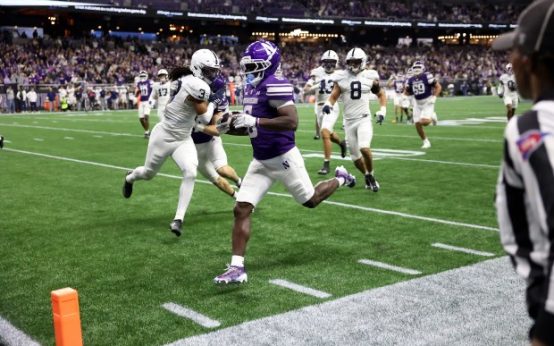 Northwestern’s New Ryan Field Opens with a Stunning Victory
  49ers Owner Jed York Faces NFL Suspension Amid Scandal
 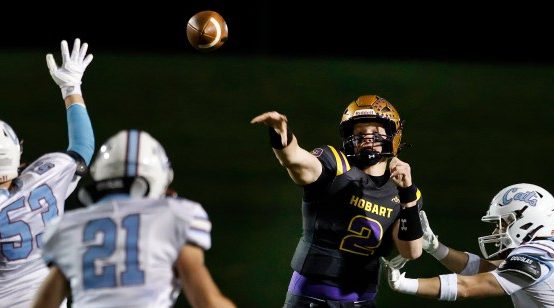 Aleks Tatum Reflects on Senior Night and Football Journey
 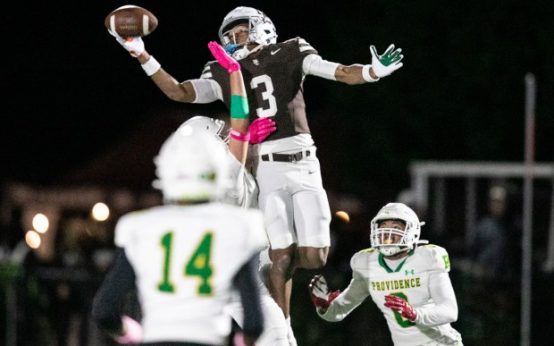 Quentin Burrell Shines as Mount Carmel Triumphs Over Providence
  Controversy Over Firing of Portland Trail Blazers’ Announcer
  Chicago Cubs Reflect on Season and Plans for 2027