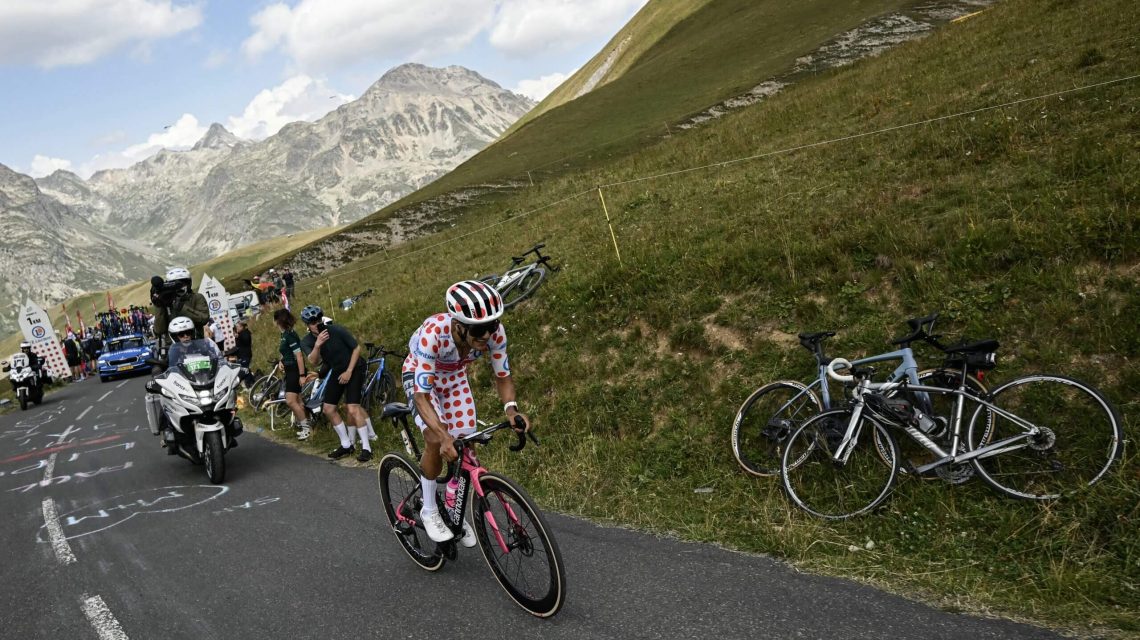
The sight of Valentin Paret-Peintre, overcome with emotion at Alpe d’Huez, symbolized his loss of the polka-dot jersey. France was left without a stage win, a rarity since 1999. The King of the Mountains jersey, cherished but often overlooked, was a final hope for national pride. Points for mountain finishes often favor the yellow jersey
as seen with Tadej Pogačar and Jonas Vingegaard in recent years.
This year’s King of the Mountains winner, Richard Carapaz from Ecuador, had an unexpected journey. Initially focused on the Giro d’Italia, an operation on a perineal cyst diverted his path. Recovery left him unable to train for weeks. Yet, Carapaz returned stronger, persistent in attacking, stages and the polka-dot jersey always on his mind. With Pogačar nearly securing the yellow jersey early on, other classifications like polka dot, white, and green maintained excitement until stage 20.
Richard Carapaz celebrated becoming the first rider to win a stage in the polka-dot jersey since Julian Alaphilippe did so in 2018. He expressed the thrill of not only his own competition but also the battles for the green and white jerseys, which heightened the race’s difficulty. Carapaz now has claimed the King of the Mountains in two of the last three Tours de France.
It’s been incredible this year, Carapaz beamed, reflecting on the race’s intensity.
Mads Pedersen’s pursuit of the green jersey was relentless. With his Lidl-Trek team, he strategized around intermediate sprints to gather points, outperforming notable rivals. His ability to climb made him a strong contender, even if not the fastest sprinter. Efforts in the sprints helped him surpass Tim Merlier and Olav Kooij, ultimately securing his victory over Jasper Philipsen following stage 18.
The debate continues about awarding the ‘sprinters’ jersey’ to a rider like Pedersen. Despite lacking top speed, his comprehensive strategy and adaptability earned him the accolade. His dedication evokes comparisons to Peter Sagan, with Pedersen achieving 68% of his points from intermediate sprints.
The white jersey competition highlighted young talent like Isaac del Toro and Paul Seixas. Pogačar supported Del Toro, who won five mountain finishes, while 19-year-old Seixas secured three. Their contest saw Del Toro prevailing in the final stages with a strategic climb up the Col du Galibier. Despite health setbacks, Del Toro conquered the stage, finishing over two minutes ahead, while Seixas pondered his competitiveness.
With the general classification already established, attention turned to Carapaz again. Known for his aggressive riding style, he aimed to capture the super combativity award on the Champs-Élysées. The battle for the polka-dot jersey was fierce, with Team Caja Rural’s Alex Molenaar starting strong in the initial stages before Carapaz took command.
Carapaz proved adept in the last stages, securing crucial King of the Mountains points. He demonstrated relentless pursuit of jerseys and stage wins over general classification placings. Where others sought higher ranks, Carapaz valued stage victories more, finishing in the top 10 regardless.
This Tour de France may have had an early decision for the yellow jersey, yet the thrilling contests in minor classifications made it memorable. Intriguing details and spirited performances characterized this year’s La Grande Boucle.
 Dan Fouts Reflects on Violent Football Incident
  Dodgers Begin NLDS Against Braves: Key Details and Roster Decisions
 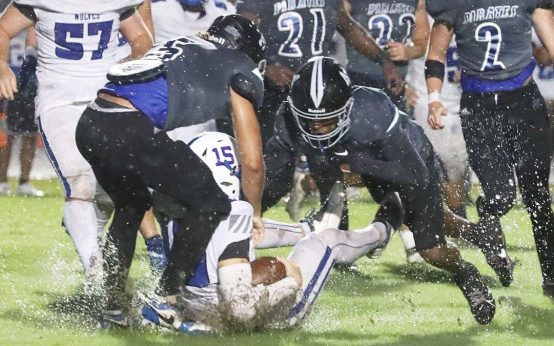 High School Football Tensions Flare in Central Florida
 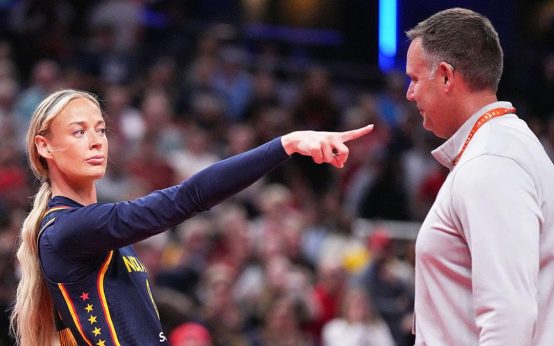 Indiana Fever’s Tumultuous Season and the WNBA’s Cultural Storm
  Chicagoland High School Football Teams Results in Week 7
  Northwestern Debuts New Ryan Field with Victory Over Penn State