The integration of artificial intelligence extends beyond simple software upgrades or chat interfaces on smartphones. The extensive capital influx into digital infrastructure has turned AI from a speculative trend into a crucial global economic component. This transition carries significant risks.
Substantial Investments in Tech Infrastructure
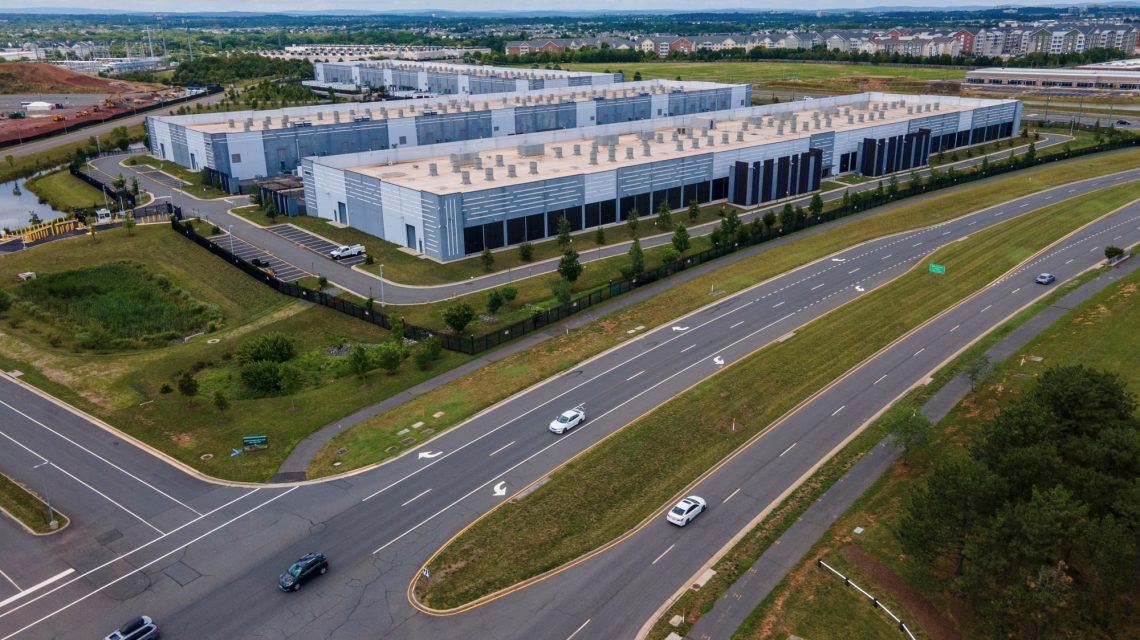
Large tech companies are investing amounts that resemble the defense budgets of major countries. Trillions of dollars flow into silicon chips, liquid-cooled data centers, concrete foundations, and power grids. This investment supports the growth forecasts for industries like heavy industry, commercial real estate, utility providers, and green energy developers. Silicon Valley has shifted some of its financial risks onto real-world platforms. If investors perceive these assets as unprofitable, the economic ripple could impact cement factories and power plants before it affects Silicon Valley.
The Speculative Nature of Investment
The core of the vulnerability stems from speculative investments. Tech companies and venture capitalists invest heavily in infrastructure to match software demands that are primarily conceptual. Building a modern data center demands significant upfront costs, secured by long-term power contracts and hardware that depreciates quickly.
“If future software revenues are significantly lower than predicted, large server farms could symbolize overinvestment,” notes industry experts.
Falling soon behind market trends and rapid hardware depreciation, like that seen with Nvidia GPUs, could leave companies with obsolete and costly hardware.
Impact on Everyday Investors
Even individuals unfamiliar with tech news are at risk. The stock market is highly reliant on a few large tech firms. Pension funds, state retirement systems, mutual funds, and standard 401(k) accounts frequently invest in these companies. Thus, a sudden market correction directly affects retirement portfolios for many, regardless of their tech knowledge.
Employment Market Paradoxes
Recent promises by corporate leaders of reduced labor costs through automation have driven hiring freezes, office expansions, and heavy borrowing. According to Microsoft leadership, the current AI model involves significant labor reallocation. If promised productivity gains do not materialize, companies will likely respond by cutting costs, possibly leading to job losses and unused software commitments.
Financial Implications
Wall Street banks and investment funds have heavily financed data centers, energy acquisitions, and hardware leases. Particularly, private credit funds have sought higher returns through investments in tech ventures. A decline in revenue potential doesn’t erase debt; instead, defaulted loans might shift burdens to regional banks and private credit markets, reminiscent of past housing debt crises.
While the financial market treats digital infrastructure as risk-free, historical patterns suggest that speculation often leads to costly consequences. When Wall Street views speculative future yields as certain, significant challenges emerge.
John Mac Ghlionn, a writer and researcher, analyzes cultural, societal, and technological impacts on daily life.
 Challenges in Managing Advanced AI Models
  Meta’s Muse AI Assistant Sparks Cybersecurity Concerns
  Keurig Dr Pepper Launches Compostable Coffee Pods to Reduce Waste
  Minneapolis Council Member Faces Criticism Over Autonomous Vehicle Concerns
  Washington’s Reaction to Trump’s AI Self-Regulation Accord and Technology Updates from The Hill
  Unraveling the RatHat Android Malware Threat