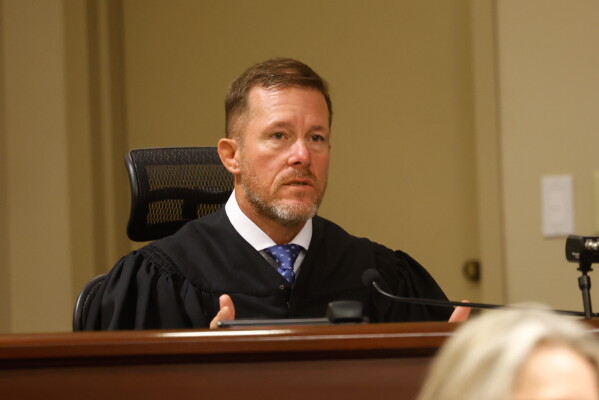
A judge delivered a life sentence without parole to a 16-year-old involved in a tragic school shooting at Apalachee High School, Georgia. The teenager, Colt Gray, confessed to 55 charges, including murder, linked to the September 2024 incident. Judge Nicholas Primm handed down the sentence following testimonies from victims’ families, investigators, and a forensic psychologist.
The shooting claimed the lives of two students, Mason Schermerhorn and Christian Angulo, both 14, and two teachers, Richard Aspinwall and Cristina Irimie. An additional teacher and eight students suffered injuries. The courtroom echoed with grief and calls from victims and their families urging the judge to deny parole eligibility for Gray.
“You do not seem to be tormented by what you did. You seem to relish following in the footsteps of the murderers you idolize,”
Judge Primm stated during the sentencing. District Attorney Brad Smith supported this decision, describing Gray as a danger to society. Smith emphasized the absence of any signs showing Gray valued human life.
Gray idolized mass shooters and engaged with an online community fascinated by these crimes. This interest, investigators testified, fueled his desire for notoriety. Prosecutors cited his online conversations and recordings with his mother as proof of his infatuation with the attention his actions received. The prosecution argued that the shooting was part of a larger plan for fame rather than just an isolated incident.
The defense, represented by W. Charlton Allen, argued that Gray was not beyond reform. Allen asked the court to allow parole eligibility, suggesting it could offer hope and motivation for change. He noted that Gray had encountered a lack of stability at home, which made him vulnerable to harmful influences.
Gray’s grandmother, Debbie Polhamus, testified to his troubled background, highlighting his aggressive behavior leading up to the shooting. Despite urging his parents to seek help for him, they did not act. Polhamus observed significant improvements in her grandson’s behavior and academic ambitions since receiving treatment and medication in detention. She expressed hope for his future opportunities.
Despite Gray’s challenging circumstances, Judge Primm affirmed the necessity of the sentence, stating the decisions Gray made were his own. Primm acknowledged the failures in Gray’s family environment but emphasized that they did not negate his responsibility for the crimes.