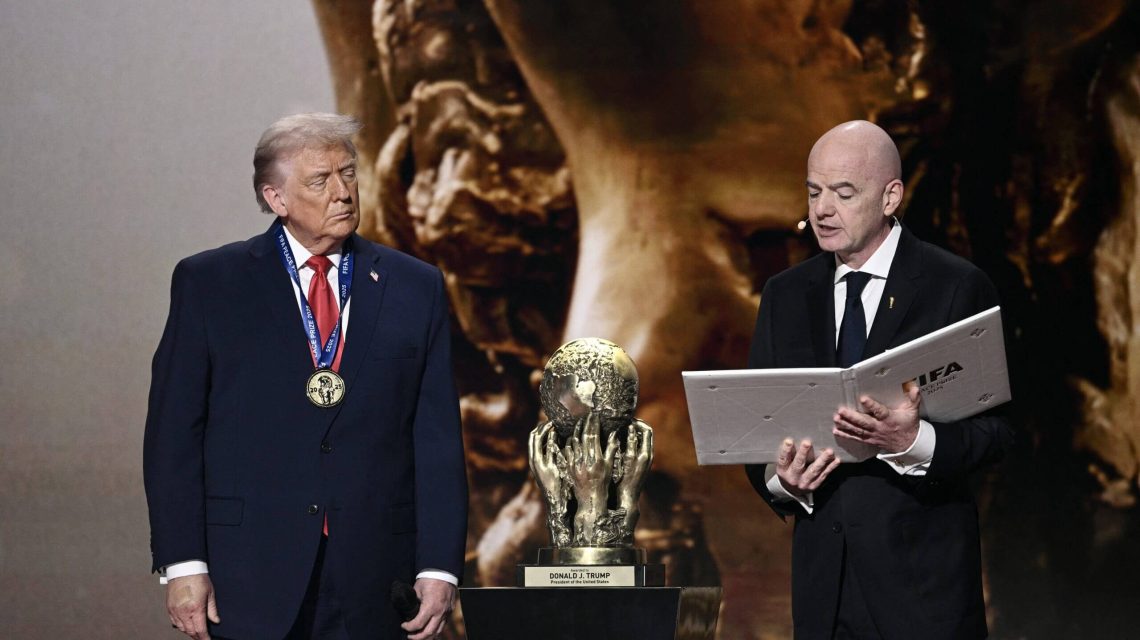
Recent events have thrown FIFA’s leadership into the spotlight, highlighting significant challenges within the organization. Gianni Infantino, FIFA’s President, has found himself at the center of controversy. Infantino’s unusual actions, such as bestowing imaginary peace prizes on world leaders, have drawn attention.
Within a month of such gestures, Trump launched military strikes in Venezuela and later engaged in conflict with Iran. This made Iran the first World Cup participant to be at war with a host country. FIFA, known for boundary-pushing decisions, faced criticism, especially when Infantino intervened to lift the suspension of a U.S. player following Trump’s lobbying.
Infantino’s recent proposals have added fuel to the fire. His suggestion to sell parts of FIFA to a private investment fund, linked to Trump’s family, sparked public debate. UEFA expressed displeasure, warning of boycotting FIFA events unless the proposal was discarded. Fiona’s withdrawal acknowledgment reinforced divisions within FIFA’s ranks.
UEFA promptly declared their loss of faith in FIFA leadership. They called for accountability and transparency, crucial elements missing from Infantino’s regime. As European football’s governing body seeks reform, they demand action against covert schemes that lack clear benefit.
“We cannot keep going on like this with secret schemes on fast-track timescales, cooked up by faceless individuals and of dubious benefit to the game.” – UEFA Statement
As another World Cup cycle begins, the need for change increases. Infantino’s re-election looms, with potential candidates required to declare their intention soon. Various names are circulating as potential replacements, including Victor Montagliani and Lise Klaveness, though no one has formally stepped forward yet.
UEFA President Aleksander Ceferin also faces decisions as his term closes. UEFA, despite perceived moral superiority, has its own blemishes, highlighted by security failures in recent Champions League finals. The organization admitted fault and promised restitution to affected fans.
FIFA’s path forward requires balancing global interests, clear delineation between officials, and restoring trust. Infantino’s presidency will be scrutinized more heavily than predecessors due to heightened global polarisation and interest in football governance.
The future remains uncertain, as divisions within FIFA challenge leadership effectiveness. Whether true reform can occur, bringing sustainability to the sport’s governance, depends on addressing diverse motivations across federations.
Infantino’s political maneuvering offers lessons to successors, though reluctance from potential candidates suggests the position’s perceived toxicity. If FIFA fails to address current leadership pitfalls, its recovery and credibility may stall indefinitely.
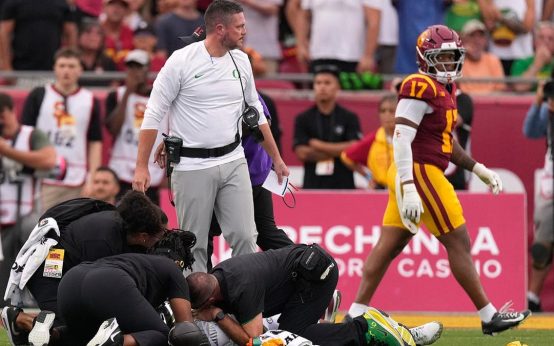 Dan Fouts Reflects on Violent Football Incident
  Dodgers Begin NLDS Against Braves: Key Details and Roster Decisions
 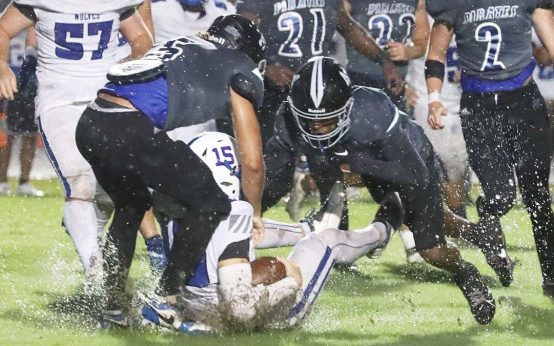 High School Football Tensions Flare in Central Florida
 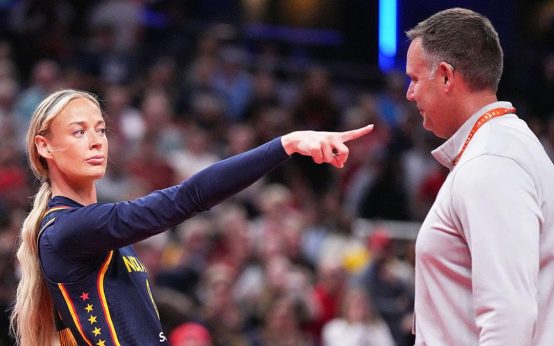 Indiana Fever’s Tumultuous Season and the WNBA’s Cultural Storm
 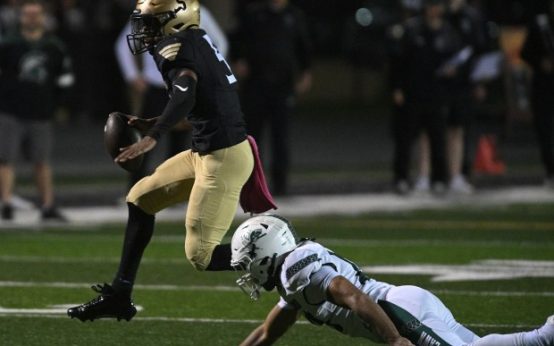 Chicagoland High School Football Teams Results in Week 7
 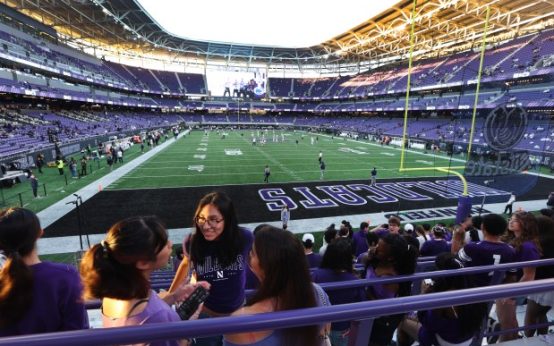 Northwestern Debuts New Ryan Field with Victory Over Penn State