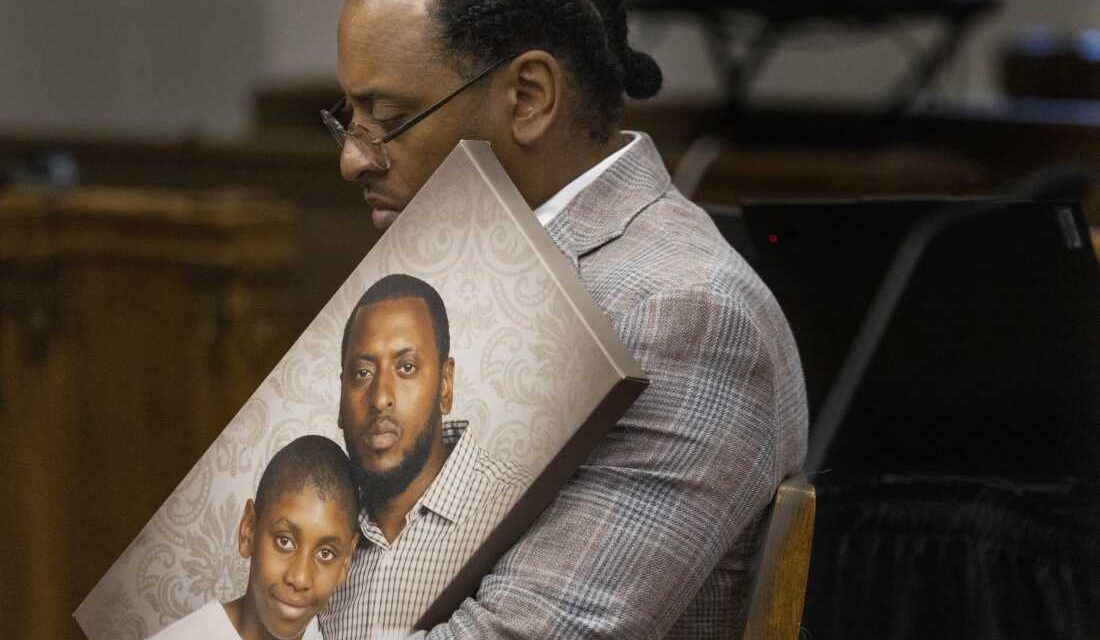
Antonio Mays Sr. appeared in King County Superior Court, Seattle, on December 10, 2025, holding a picture of himself and his son, Antonio Mays Jr. The Seattle Times captured this emotional moment, which reminds us of the tragedy at the Capitol Hill Occupied Protest (CHOP) zone.
In the early hours of June 29, 2020, CHOP protesters were in panic as a white Jeep drove erratically near their tents in Seattle’s Cal Anderson Park. The camp had been on edge due to several violent incidents, including a man driving into protesters and multiple shootings.
CHOP was a protest zone spanning eight blocks that emerged after Seattle police abandoned a precinct amidst mass protests following George Floyd’s murder. The area became a hub for movies, mutual aid, and live performances. But tension and fear overshadowed hopes for change on that pivotal night.
Social media buzzed with live streams capturing gunshots and panic. A white Jeep was suspected of shooting at protesters. In response, the armed protest security, replacing absent police, fired at the Jeep.
Antonio Mays Jr., 16, lost his life. Robert West, 14, suffered critical injuries. Another teenager was grazed by a bullet but vanished into the night. Colby Williams, a protester, justified the shootings as self-defense against a perceived threat.
The narrative maintained that the Jeep attacked and protesters retaliated. Despite numerous video records, Antonio Jr.’s death remains unsolved. There are no arrests, suspects, or charges. Seattle police say the investigation is ongoing but are silent otherwise.
A Journey to Seattle
Less than a month after George Floyd’s death, Antonio Mays Jr. left Southern California for Seattle. He sought to join the burgeoning racial justice movement. He liked fantasy novels, hip-hop, and helped in his family’s barbecue business while caring for his sister.
Before leaving, he wrote a note to his father, expressing his desire for a better world for his sister. Although it remains unclear how Antonio reached Seattle, he soon became visible at CHOP, engaging with protesters and voicing concerns about police oversight.
Tragically, three days after addressing CHOP, Antonio was dead. He died in a stolen white Jeep, riddled with bullets, at one of the country’s most notable protest sites. The circumstances around the Jeep’s theft are murky, but its appearance near CHOP’s tents sparked alarm.
Panic at the Barricade
At 2:54 a.m., CHOP’s security apparatus went on high alert as a security camera spotted the white Jeep leaving the park. The vehicle came under fire from another SUV, a Nissan Pathfinder, with shots ringing out.
A forensic analyst reviewed the incident later and found that only shots were fired at the Jeep, not from it. In those tense moments, CHOP panicked. Calls went out on livestreams, and people started preparing for defense.
The white Jeep returned to CHOP but crashed into barricades amidst gunfire. Witnesses later described seeing someone fire at close range into the vehicle.
Unraveling Events
The notion that the Jeep’s passengers posed a threat lingers, yet investigations found no evidence of gunshots from the Jeep. No firearms or casings were recovered inside or near the vehicle.
Handling of the scene complicated the investigation. Protesters and medics initially attended to the injured teens. Antonio was placed in the same Pathfinder, previously shooting at him, and driven toward an ambulance. But communication mishaps delayed medical aid.
By 7:45 a.m., police examined the crime scene. Bullet holes marred the Jeep, and people milled around, some allegedly disturbing potential evidence. Over six years have passed, yet the case remains unresolved. Surveillance videos exist but remain unreleased due to their integral role in the case.
Inquiries and interviews show reluctance from those at CHOP to discuss the incident. Police emphasize the importance of witness testimonies to solve the case. Changes in Seattle police leadership have occurred since CHOP, adding to the unresolved nature of Antonio Jr.’s death.