
Migrant Surge in Ceuta
On Monday, hundreds of migrants established camps on a beach in Ceuta, Spain’s North African exclave. Local authorities faced difficulties managing the crowds following a recent massive border influx.
Return to Morocco
Spain reports approximately 69,500 migrants have returned to Morocco over four days, surpassing earlier estimates of about 50,000 arrivals in Ceuta. The crisis has resulted in 72 deaths at the Spanish border and 11 on Morocco’s side.
Challenges Faced by Migrants
Migrants cited food scarcity due to shop closures, local hostility, and inability to transit to the Spanish mainland as reasons for leaving.
Ceuta’s Situation
Ceuta and Melilla, Spain’s other North African exclave, periodically face migration attempts from those seeking entry into Europe. Recent videos show migrants, primarily from sub-Saharan Africa, on El Trampolin beach. Many are wrapped in towels to protect themselves from the wind.
Ceuta leader Juan Jesus Vivas reported 3,000 to 5,000 migrants remain in the exclave. Reception centers for adults and minors have reached capacity. Local official Alberto Gaitan shared that 862 migrant minors are currently being processed.
Diplomatic Tensions
The crisis has intensified anti-immigration rhetoric across Europe and provoked diplomatic tensions within the EU over border policies. Spain criticized fellow EU members for not reciprocating support during migration crises. Foreign Minister Jose Manuel Albares expressed discontent particularly with Italy, accusing the government of spreading misinformation.
An emergency EU video conference of interior ministers is set to address the crisis.
Relations with Morocco
Albares acknowledged Morocco’s police support, facilitating rapid migrant returns without conditions. However, Ceuta’s leader Vivas criticized Morocco, suggesting perceived orchestration of the crisis.
Morocco’s Interior Ministry traced the surge to social media misinformation, human trafficking efforts, and the misunderstanding of a Spanish court ruling on migrant returns intercepted at sea.
Reports from El Pais and Cadena SER, quoting insiders, claim Spain’s intelligence does not believe Morocco planned the surge but allowed it during relaxed border controls in July and around Morocco’s Throne Day.
Morocco’s Interior Ministry did not respond to inquiries but stated commitment to combat irregular migration and human trafficking.
Responses from Spanish Ministries
Spain’s Interior Minister Fernando Grande-Marlaska noted no prior warning of the surge from the foreign intelligence agency CNI. Reports of tension between the Interior and Defense Ministries were apparent.
Defense Minister Margarita Robles praised Spanish security services but did not confirm CNI intelligence regarding the crossing, citing confidentiality.
 British Police Arrest Man Suspected of Terror Plot
  Activists Push for Nationwide Ban on Child Marriage in the U.S.
  Investigation into Alleged Incident at Cornell University
  Rising Drone Threats Highlight Vulnerabilities in Moldova’s Airspace Defense
  Bolivia Faces Security Test Amid Unrest
 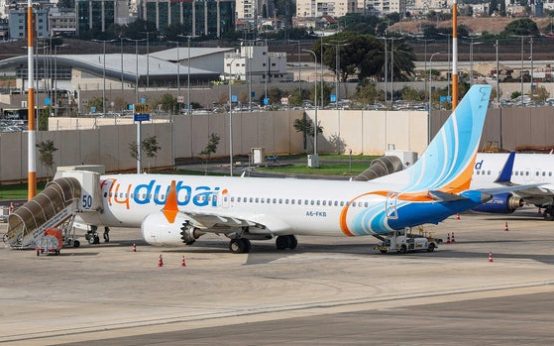 Incident on FlyDubai Flight Raises Security Concerns