
In Accra, Ghana, a unique burial tradition takes form through fantasy coffins, known locally as Abebuo, which means “proverb.” These coffins serve as more than a means to bury the deceased; they are expressions of the person’s life, crafted to reflect individual character and occupation.
In a nation where a farmer’s coffin mimics agricultural tools or crops, the designs offer a literal depiction of identity. A fishmonger might be honored with a coffin shaped like the very fish he sold, while chiefs receive lion-shaped coffins symbolizing power. Royal families in Labadi, Accra, maintain lineage with rooster-shaped coffins, portraying their emblem.
These extraordinary coffins are crafted at Eric Kpakpo’s carpentry shop in La, Accra. Skilled craftsmen such as Joseph Adjetey participate in creating these masterpieces, spending approximately two weeks on each piece. Pricing begins at $700, varying with the design’s complexity and wood type.
Ghanaians view funerals as vibrant celebrations, emphasizing the importance of these fantasy coffins. These occasions are filled with music, dance, and vivid displays of cultural heritage. Families honor their loved ones with colorful tributes, sparing no expense.
Beyond the personal and cultural significance, collectors and art enthusiasts appreciate fantasy coffins as art. Nicolas Ablorh Annan, an Accra coffin maker, highlights the historical roots of this practice among the Ga people. His family’s involvement extends to business, initiated by his great-grandfather, with commercial transactions overshadowing ritual ties.
Fantasy coffins, while primarily used for burials, also attract international interest. Some coffins find homes in museums abroad, purchased for art exhibitions. Annan notes a rise in foreign orders, with several pieces destined for overseas shipment.
At funeral ceremonies, the presence of fantasy coffins shifts the atmosphere. Mourners captivated by craftsmanship enjoy a temporary reprieve from grief. The vibrant colors and imaginative designs offer solace and admiration.
“People forget for a moment what’s inside; they admire the coffin and the atmosphere shifts,” says Eric Kpakpo Adotey, a coffin-making specialist.
Through creativity, laughter and tears mingle. Each coffin transcends its role as a final resting place, becoming a lasting story carved in wood—an enduring proverb for those left behind.
 Midwest Underground Railroad Network Gains National Recognition
  Art Collective Critiques Administration with Mall Installation
  American Hagwon: A Tale of Family and the Korean Diaspora
 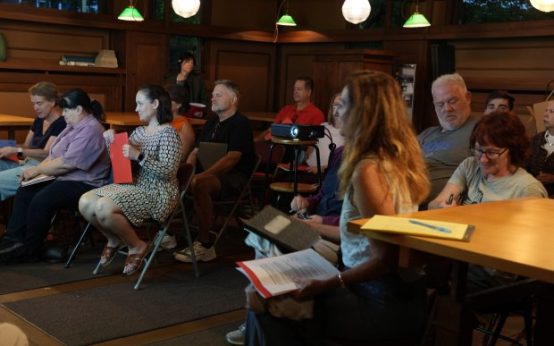 Volunteer Enthusiasm Shines at Frank Lloyd Wright Home and Studio
 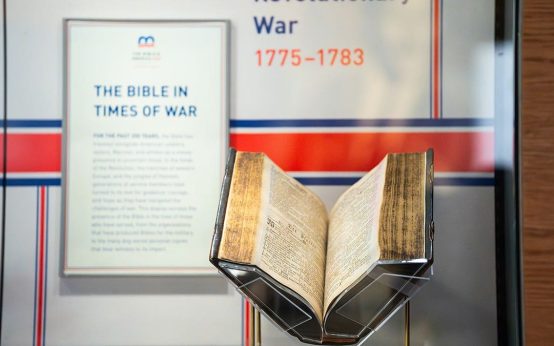 Bible’s Role in Times of War
  Arrival of Giant Pandas in Atlanta Marks Historic Agreement