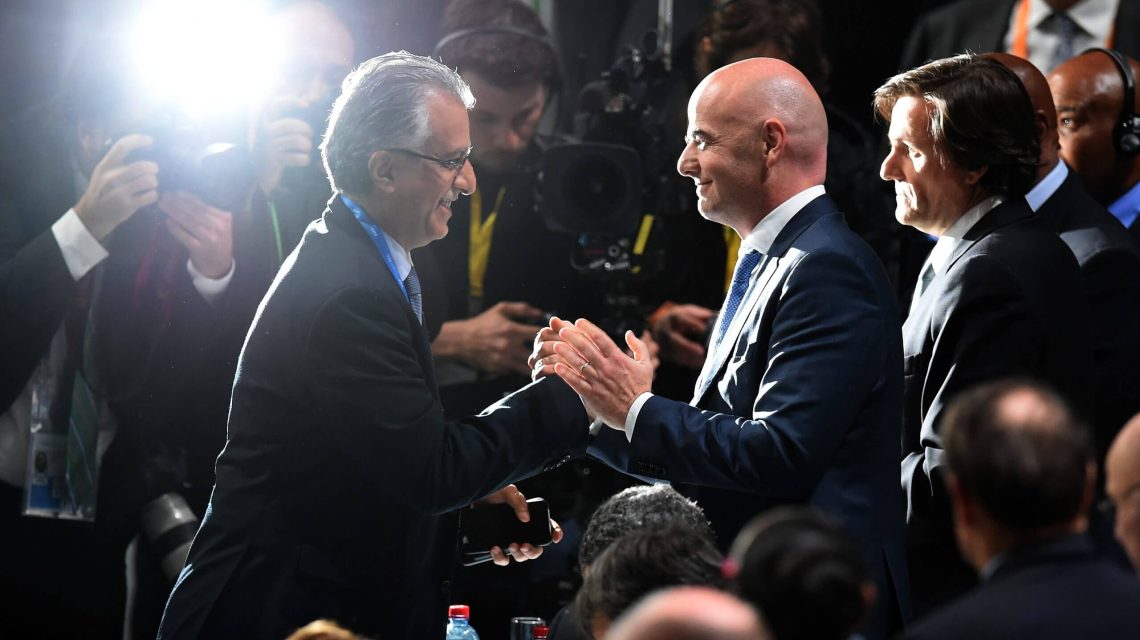
Gianni Infantino concluded the 2026 FIFA Congress in Vancouver by confirming his intention to stand for re-election as FIFA president in March 2027. Many expected he would face no opposition for a third and final term, extending his leadership to 2031. Infantino expressed optimism, stating, “The journey goes on!” in an Instagram post in April.
However, recent developments have cast doubt on a smooth path to re-election. The proposed sale of a 21% stake in FIFA’s commercial and event operations to an investment fund has led to significant backlash. UEFA publicly declared a loss of confidence in Infantino’s leadership. Allies and advisers have withdrawn their support, leaving his re-election prospects in question.
FIFA Leadership History
FIFA has seen few presidents since its inception in 1904. Infantino is the ninth person to hold the position. Joao Havelange and Sepp Blatter dominated the role for over four decades. Blatter’s corruption-related downfall led to term limits being introduced in 2016, a year Infantino began his presidency. Infantino has argued successfully that his initial three-year term does not count toward the 12-year limit, allowing him the potential for 15 years in office.
FIFA elections occur every four years after a World Cup, such as in 2019 and 2023, where Infantino was re-elected unopposed. The last contested election was in 2016, when Infantino competed against four others and was elected president after two voting rounds.
Election Process
The FIFA presidential election process lasts one year. Candidates must have actively participated in association football for two of the previous five years. They also need support declarations from at least five member associations by a set deadline—this year, November 18. In 2023, Infantino claimed to have pledges from 200 out of 211 members, but recent support withdrawals complicate his reelection bid.
Winning requires over 50% of the vote if two candidates run. Each association has one equal vote. Infantino’s strategy has been to appeal to smaller nations. Yet, opposition from UEFA, AFC, and Concacaf has strengthened. Despite Qatar’s ongoing support for Infantino, differing opinions within these groups could impact the vote.
Should more than two candidates stand, a two-thirds majority is needed in the initial round, followed by additional rounds if necessary. Infantino won after two rounds in 2016.
Upcoming Election and Potential Changes
The next presidential vote was announced for March 18, 2027, in Morocco ahead of FIFA’s centenary World Cup in 2030. For Infantino, Morocco represents the support of CAF. However, internal dynamics could lead to a shift in venue or date.
If discontent grows among the 37-member FIFA Council or if a fifth of member associations request it, an emergency Congress may be called. UEFA alone could initiate this process, signaling a no-confidence vote. Such a meeting might force an unprecedented shift in FIFA leadership dynamics. The situation remains fluid, and Infantino’s once-certain path is now fraught with challenges.
 British Police Arrest Man Suspected of Terror Plot
  Nick Saban’s Comments on ESPN Spark Debate Over College Sports Regulations
  Activists Push for Nationwide Ban on Child Marriage in the U.S.
  Freddy’s American Adventure: From Soccer to College Football
  Investigation into Alleged Incident at Cornell University
  Rising Drone Threats Highlight Vulnerabilities in Moldova’s Airspace Defense