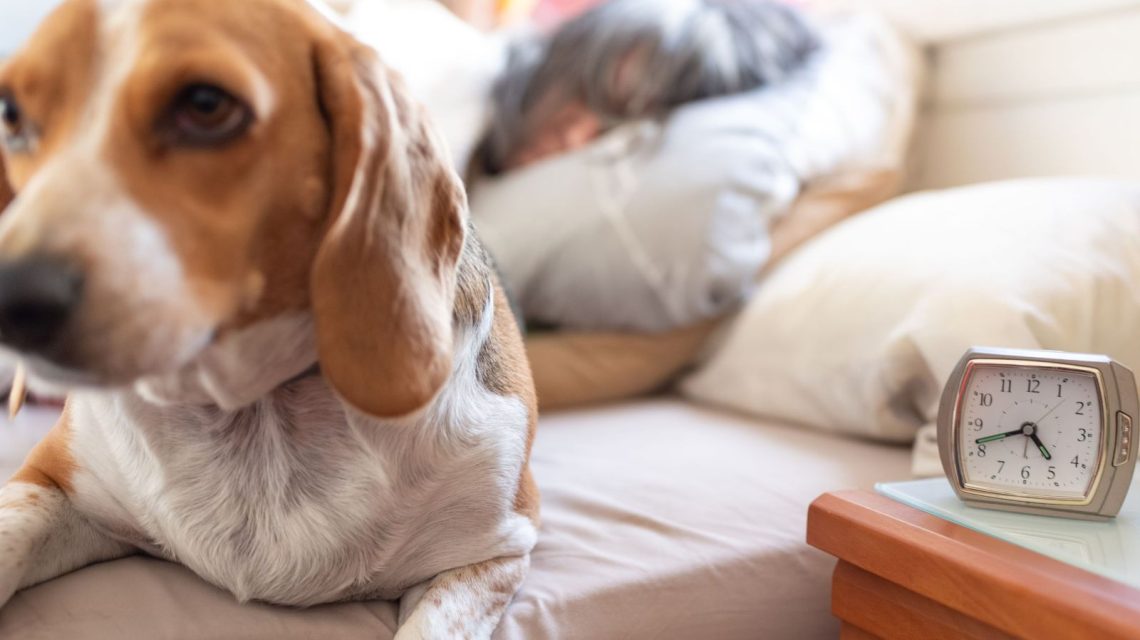
A proposal to make daylight saving time permanent is awaiting a Senate vote after passing in the House of Representatives. Named the Sunshine Protection Act, this proposal seeks to eliminate the biannual clock shifts, keeping the U.S. on daylight saving time year-round.
While this may appeal to many people, it can cause temporary disruptions in pets’ routines. Dr. Karen Halligan, DVM, explains that pets thrive on routine. Any sudden shifts in feeding, walks, or medication schedules can throw them off temporarily.
Pets Follow Routines, Not Clocks
Dogs and cats have circadian rhythms that regulate sleep and other behaviors. Permanent daylight saving time isn’t harmful, but the final adjustment may confuse pets temporarily. For example, pets accustomed to set meal times may expect food at the usual hour despite changes.
Halligan mentions that cats can be just as routine-focused as dogs. Some pets may wake owners earlier, seem restless at bedtime, or need more bathroom breaks until they adapt.
Which Pets Could Be Most Affected?
Pets that rely on strict routines or have specific health needs may be more affected. This includes:
- Senior dogs and cats
- Puppies and kittens
- Pets with anxiety disorders
- Animals with cognitive dysfunction
- Pets that are routine-oriented
- Diabetic pets needing precise insulin timing
Halligan advises gradual adjustments to medication schedules under veterinary guidance instead of abrupt changes.
Later Sunsets Could Change Walks
If daylight saving time becomes permanent, pets might experience shifts in walking schedules. Longer daylight hours in the evening might lead owners to walk their dogs later. But this could increase heat illness risk during warm summer months, especially for flat-faced breeds and older pets.
Darker mornings could also lead pet owners to choose pre-dawn walks, raising new safety concerns.
How to Keep Pets Safe During Darker Walks
Reduced visibility at dawn can pose safety challenges. Halligan recommends measures such as:
- Using reflective collars, leashes, or harnesses.
- Wearing reflective clothing for better visibility.
- Carrying a flashlight or headlamp.
- Choosing well-lit routes.
- Keeping dogs on a leash and staying aware of wildlife.
How Owners Can Prepare Their Pets
Gradual changes help pets adapt more easily. Halligan suggests shifting meals and walks by 10 to 15 minutes daily ahead of the final shift. Consistently maintaining medication times, bathroom breaks, and bedtime routines can aid the transition.
Monitoring changes in appetite, sleep, or behavior is crucial. Keeping routines stable is one of the best actions for pets’ well-being. As Halligan notes: “Pets don’t wear watches—they watch us.”
 Prepare for Rainy Fall Weather with Discounted Rain Jackets
  The Quest for the Knuckleball Dream
  Review: Stokke Nighti 3-in-1 Convertible Cot Bed
  Navigating Grief After a Sibling’s Overdose
  Embrace Failure: Turning Setbacks into Success
  Unusual In-Flight Behavior Leaves Passengers Stunned