The NCAA has increasingly sought Congress’s intervention in recent years, attempting to curb the disarray plaguing college sports. A significant portion of this is due to lawsuits from student-athletes challenging their eligibility status. These legal battles occur frequently, as athletes file suits in state and federal courts seeking additional eligibility years.
To combat these challenges, NCAA officials are pressing lawmakers to endorse the ‘Protect College Sports Act.’ This legislation seeks greater antitrust legal shields for the organization. The NCAA might have avoided some recent legal troubles had it not excluded the 2022 recruiting class from a newly established eligibility policy. This new rule provides athletes five years to play five seasons.
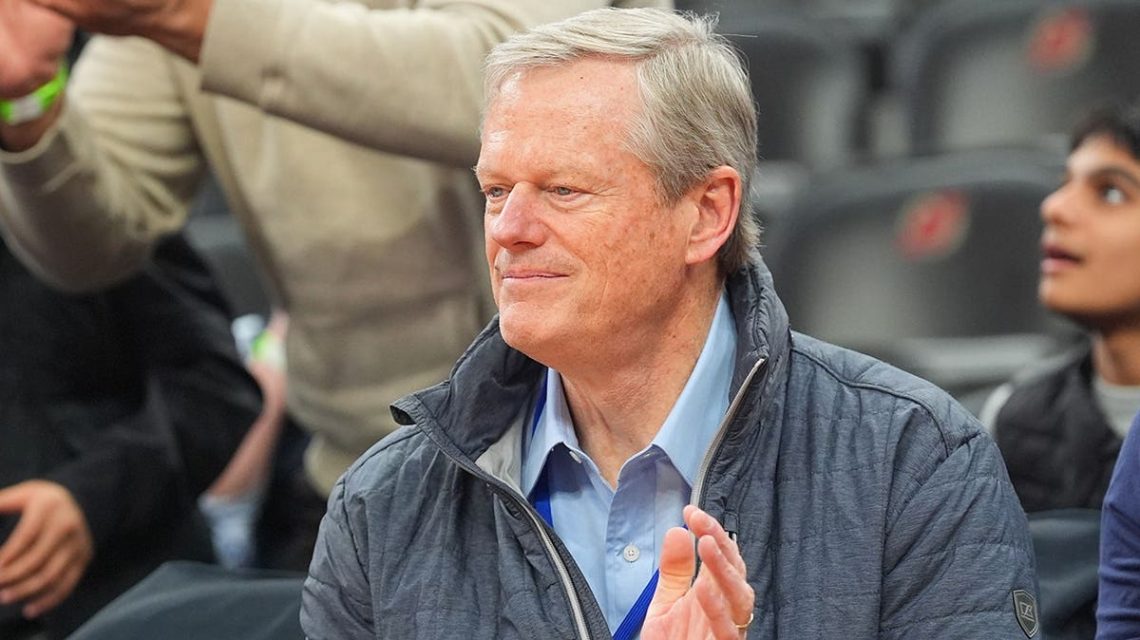
NCAA President Charlie Baker attended a game between Seton Hall Pirates and Providence Friars on February 11, 2026, at Prudential Center in Newark, New Jersey. (Rich Graessle / Icon Sportswire via Getty Images)
The exclusion of the 2022 class has led to numerous lawsuits from athletes who feel unfairly denied. They argue for the same benefits as those under the new eligibility structure. If the NCAA had implemented this rule a year earlier or grandfathered the 2022 class, perhaps the current legal turmoil, which has legal teams taking more calls than emergency services, might have been avoided.
One of the ensuing problems is the overcrowding of athletic rosters. As college football teams begin preparations for the 2026 season, many find themselves short of roster spots. This issue isn’t limited to football. College basketball teams also brace for chaos, having left roster spots open for such developments.
Surprisingly, the NCAA seems to have anticipated these issues. Attorneys like Ryan Downton had warned the organization of the inevitable legal challenges. When former Vanderbilt linebacker Langston Patterson sued over eligibility durations, it signaled the coming conflict, indicating the NCAA’s awareness of the brewing storm.
Langston Patterson sacked Bryson Barnes during a game at FirstBank Stadium in Nashville, Tenn., on Sept. 27, 2025. (Getty Images)
The NCAA faces a conundrum. Granting blanket waivers could resolve some lawsuits but would result in thousands of athletes with renewed eligibility but no teams. Consequently, the NCAA continues to fight these legal battles, seeking more substantial antitrust protections through legislation.
The convoluted state of affairs escalated when U.S. District Judge Charlotte Sweeney issued a significant injunction in the Wisne v. NCAA class action. This allowed athletes from any sport with remaining eligibility to compete, causing widespread impacts. Moreover, while some state injunctions allow athletes to use the transfer portal, cases like Colorado’s leave athletes without additional portal access.
Stephen Daley, an Indiana Hoosiers defensive lineman, participated in a game at Memorial Stadium in Bloomington, Ind., on Sept. 20, 2025. (Icon Sportswire via Getty Images)
The ramifications grow as NCAA continues battling in court. Indiana capitalized on recent rulings, allowing players like defensive lineman Stephen Daley, sidelined by injury, to return for the 2026 season. Should the NCAA win an appeal, reinstating prior rules, Daley could again become ineligible.
No clear end to this saga is evident. Whether it’s athletes demanding additional eligibility or damages, the legal struggles are ongoing. Should the ‘Protect College Sports Act’ pass, it’s uncertain if it provides enough protection against future courtroom battles.
 Nick Saban’s Comments on ESPN Spark Debate Over College Sports Regulations
  Freddy’s American Adventure: From Soccer to College Football
  Brock Purdy’s Impressive Start in the 2026 NFL Season
  The Value of Retaining Miles McBride for the Knicks
  Penguins Make History with Dominant Season Opener
  Sonny Gray Expresses Frustration After Game Against Yankees