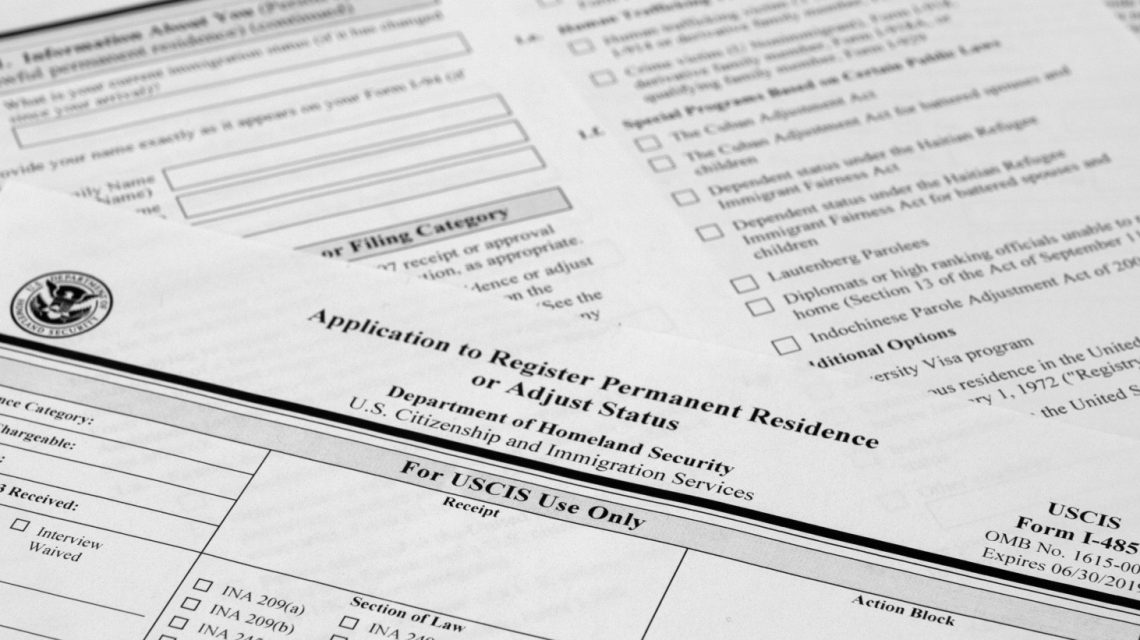
A recent increase in green card availability offers an opportunity for spouses of lawful permanent residents to file their applications. This comes just ahead of a significant policy change that may bring increased scrutiny on applicants’ financial status. The State Department’s August Visa Bulletin advanced the F2A final action date from January 1, 2025, to July 22, 2026, for most countries. For Mexico, the date shifted from January 1, 2024, to July 22, 2025.
The F2A category applies to spouses and unmarried children under 21 of lawful permanent residents. This development arrives before a policy change on September 18, where the Department of Homeland Security (DHS) will revise the public charge policy, affecting those deemed likely to need government assistance. The revised Form I-485, used for seeking permanent residence within the U.S., must be submitted in its updated version after this date.
Immigration attorneys highlight that this Visa Bulletin shift offers the potential for more spouses of green card holders to file applications. Yet, eligibility hinges on individual circumstances. As Charles H. Kuck of Kuck and Baxter Immigration notes, it allows couples to pursue adjustment of status inside the U.S., which can be beneficial.
USCIS will permit family-sponsored applicants to use favorable Dates for Filing, with F2A listed as current for all countries. This means eligible applicants may submit Form I-485 regardless of their priority date. However, the priority date must still be earlier than the final action date for approval. Interim benefits such as employment authorization become a possibility during pending cases.
The Visa Bulletin changes result from declining immigrant visa issuance for certain countries, a consequence of previous administration actions. The State Department warns that dates might revert if demand increases or policies change.
This shift is crucial for spouses of lawful permanent residents. Unlike spouses of U.S. citizens, they do not get all procedural allowances and must have maintained lawful status to adjust. Unauthorized employment or status violations can affect eligibility.
The impending public charge change adds another layer of consideration. Under federal law, individuals may be deemed inadmissible if seen as likely to become a public charge. DHS’s new rule allows broader review under an individual’s total circumstances, including age, health, family status, and financial standing. Receipt of means-tested public benefits will also be considered.
Although the rule doesn’t specifically target marriage-based applications, these applicants must still provide Form I-864, an affidavit of support. Kuck mentions increased scrutiny on the financial status of petitioners, particularly affecting younger couples with limited assets.
USCIS will release a revised Form I-485 edition, with older versions being unacceptable after September 18, 2026. Currently, their site lists the January 20, 2025 edition, urging applicants to check for updates.
Attorneys suggest applying under the current framework to avoid future complexities. Filing before September 18 means adhering to the current public charge criteria rather than adapting to new and uncertain standards.
 DOJ’s Anti-Fraud Task Force Targets Medicaid Fraud in Pennsylvania
  Cuban American Advocates for Democratic Socialism in Miami
  Controversial Influencer Brandon Herrera Gains Support in Texas Race
  Democratic Debate Amplified by Woke 1 Era Discussions
  Democrats Face Election Challenges in Florida Primaries
  Debate Over Transgender Athletes in Women’s Sports Heats Up