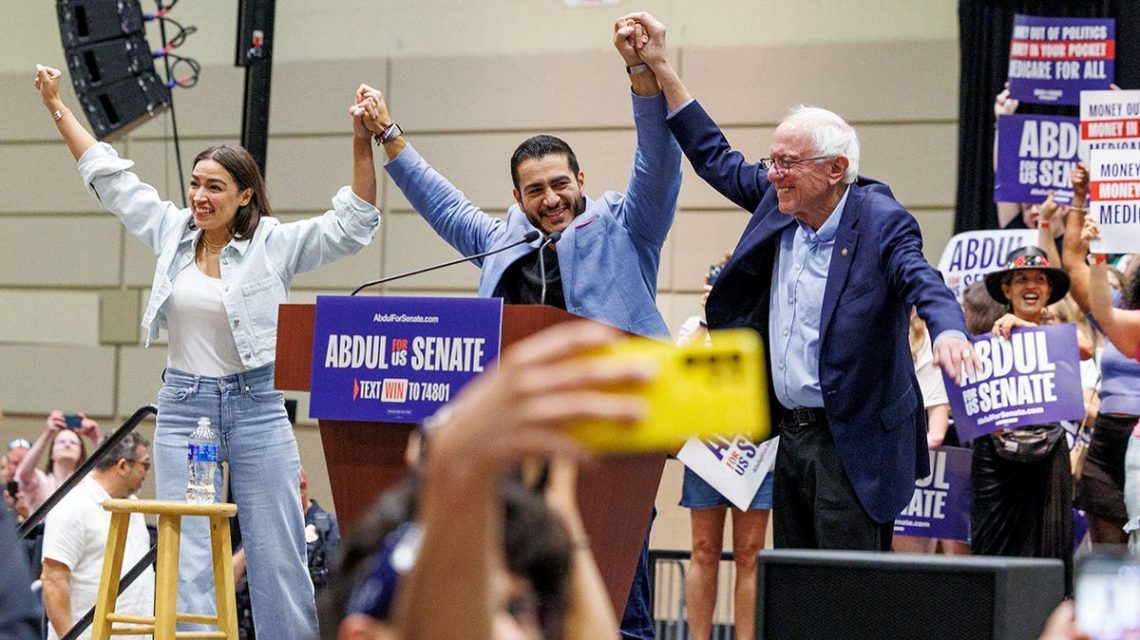
Abdul El-Sayed, a Democratic Senate candidate in Michigan, advocates for Medicare-for-all as a key component of his midterm campaign. El-Sayed acknowledges that this policy would necessitate higher taxes for Americans, providing coverage unaffected by employment status.
Experts clarify that a nationwide single-payer system would significantly transform healthcare financing, affect provider payments, and modify the private insurance role. This framework would diverge from the current Medicare model, impacting employment and access to care.
Michael Cannon from the Cato Institute and Ed Haislmaier from the Heritage Foundation highlight the trade-offs obscured by the “Medicare-for-all” label. Cannon quotes P. J. O’Rourke, stating: “if your healthcare is expensive now, wait until you see what it costs when it’s free.”
“Imagine paying taxes for healthcare instead of losing it upon losing job or facing life changes,” El-Sayed mentioned in an NBC interview. He criticized health insurance companies for hefty CEO salaries while advocating for taxes ensuring steady healthcare access.
Central to the Medicare-for-all debate is provider compensation. Current Medicare payments are lower than private insurers for many services. A single-payer system would increase patients under government-set rates. Cannon warns of potential choices between increased federal revenue and reduced provider participation.
Critics point to Canada and England’s systems as cautionary examples due to long waits and limited access. Cannon insists that the U.S. system is flawed and suggests market competition, excluding employers and government, could lead to universal healthcare.
According to Haislmaier, the real issue lies with costs, not coverage. He emphasizes a competitive approach where better care at lower prices dominates.
President Donald Trump proposed a shift from insurers managing funds to personal accounts for insurance purchases. This approach challenges traditional government control over healthcare funds.
Unlike a uniform model, the U.S. system integrates aspects from various international models. The Department of Veterans Affairs resembles the British NHS, and employer-sponsored insurance features prominently in Germany.
Cannon argues Medicare-for-all embodies extensive government intervention seen in U.S. healthcare — through Medicare, Medicaid, tax policies, and Obamacare.
There is contention over socialists potentially removing private insurance, influencing physician access. The Congressional Budget Office points to risks like reduced hospital participation if payments align with current rates.
Funding remains crucial; moving healthcare spending to federal books demands substantial revenue increases, replacing premiums and household costs.
El-Sayed did not respond to requests for comments.
 Increased Funding Needed for Psychiatric Hospitals
 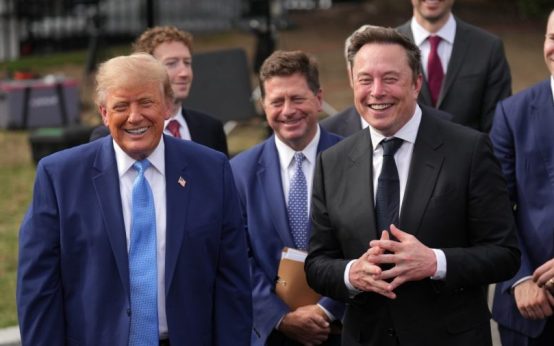 Trump’s 2024 Reelection and Evolving Voter Dynamics
  Defense Secretary Emerges as Key Player in the Trump Administration
  Hegseth’s Vision for the Military: Balancing Tradition and Innovation
 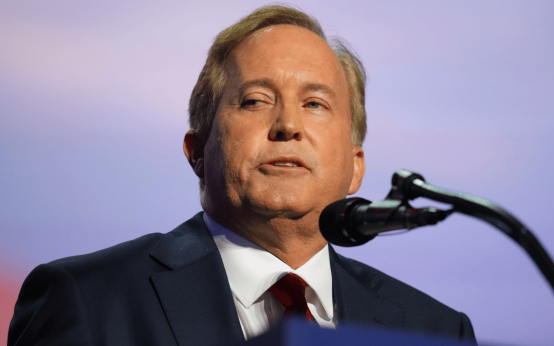 Significant Funding Boosts Ken Paxton’s Texas Senate Campaign Amid Tight Race
  U.S. States Extend Gas Tax Waivers Amid Rising Fuel Costs Due to Iran Conflict