
The Taliban gathered at Afghanistan’s Loya Jirga assembly hall to mark the fifth anniversary of their return to power. Celebrations highlighted what they claim as restored stability and an end to longstanding conflicts. However, a United Nations official highlighted significant human rights concerns, especially regarding the education ban on girls over the age of 12.
The Taliban took control of Afghanistan on August 15, 2021, following the withdrawal of U.S. and NATO forces. This retreat resulted in turmoil, particularly at Kabul airport, with many trying to flee the country.
Following their takeover, the Taliban administration prohibited girls from attending school beyond sixth grade. They also banned higher education and limited women’s access to public spaces, sports, and traveling long distances without a male guardian. These actions contradicted earlier promises to permit women’s participation in education and public life.
During the Loya Jirga event, Taliban officials and foreign representatives celebrated what they described as Afghanistan’s ‘liberation’ from American forces. Deputy spokesperson Hamdullah Fitrat expressed hopes for lasting peace and prosperity under their rule. Abdul Salam Hanafi, the deputy prime minister, claimed the Taliban ended external and internal conflicts, bringing security to Afghanistan.
Conspicuously absent from the ceremony were women. International isolation continues for the Taliban government, with Russia as the sole nation recognizing it officially. Foreign Minister Amir Khan Muttaqi urged nations to engage with Afghanistan, suggesting mutual benefits from cooperation.
Celebrations occurred under tight security in Kabul with Taliban flags visible and strong security on major roads. Similar events took place across Afghan provinces, with displays supporting the Taliban’s regime.
While the era of war has ended, it’s questionable whether there’s real peace.— Richard Bennett, U.N. special rapporteur
In a video message, Richard Bennett from the U.N. highlighted Afghanistan’s worsening human rights situation. He pinpointed the dire conditions for women and girls, calling the system a ‘crime against humanity of gender persecution.’ Bennett criticized the prospect of normalizing Taliban policies, arguing it would legitimize discrimination.
Molvi Hayatullah Mahajar Farahi, deputy minister for broadcasting, claimed the Taliban managed to provide security and infrastructure despite challenges. On girls’ education, he boasted of investments in higher education but did not address female exclusion.
According to UNESCO, approximately 2.4 million girls are excluded from secondary education. The U.N. World Food Program reported critical child malnutrition levels in a third of Afghanistan’s provinces due to funding shortfalls.
UN Women stated that the restrictions on women in Afghanistan are the harshest worldwide, threatening to undermine the country’s future by limiting essential professionals like teachers and healthcare workers.
 U.S. Monitors Russian Plague Scare
 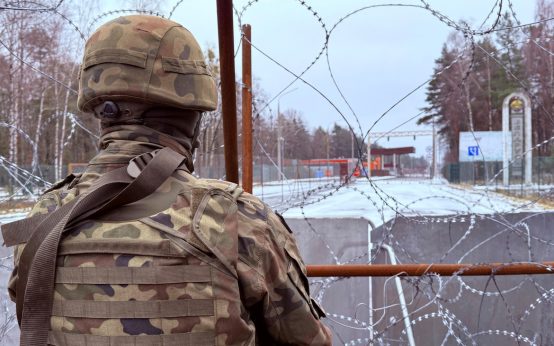 Poland Prepares for Potential Conflict
 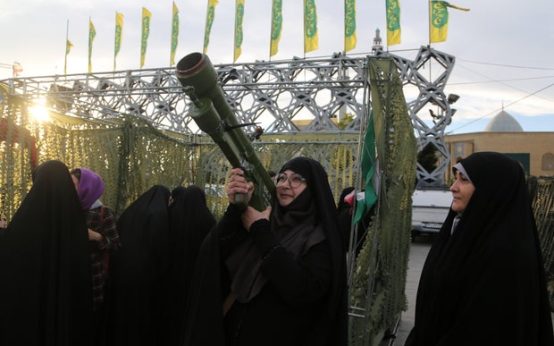 Current Developments in the Iran Conflict and the Impact on Oil Markets
  Defeat Threatens Sánchez and His Leadership
 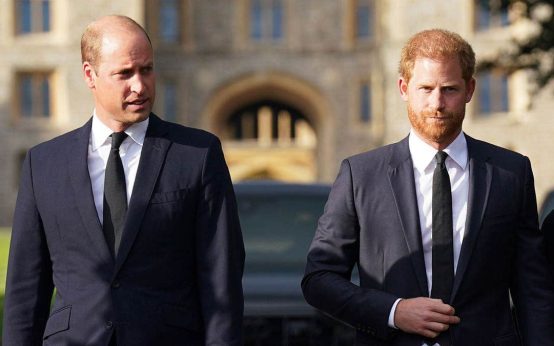 Tensions Surround Prince William and Prince Harry Amid Diana Anniversary Projects
  Realtor Arrested for Alleged Work as Unregistered Chinese Agent