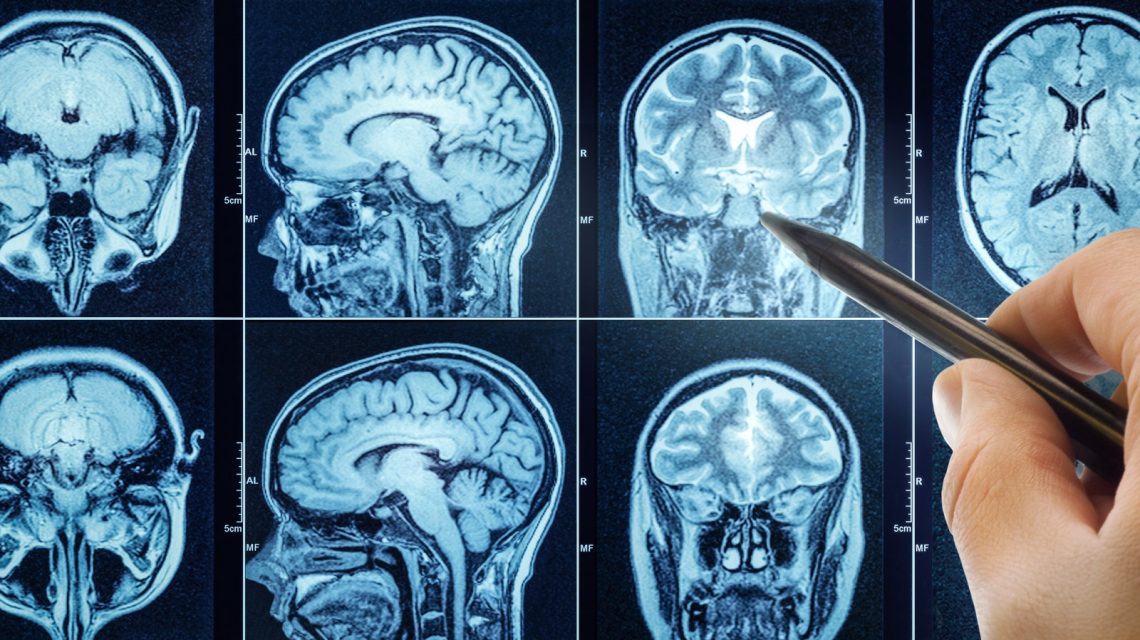
Almost half of dementia cases link to modifiable risk factors, according to research from Lund University in Sweden. This study reveals how lifestyle habits and chronic health conditions harm the brain over time. Researchers found a strong association between common health risks, such as smoking, high blood pressure, heart disease, and elevated blood lipids, and the brain damage typical in vascular dementia. Managing these factors may delay diverse forms of brain deterioration, even in those without initial cognitive decline signs.
Findings of the Study
Dementia includes various disorders with different causes, leading to varying risk factors. To understand how specific risks affect Alzheimer’s disease and vascular dementia, the two most common forms, the Lund University team tracked nearly 500 participants, averaging 65 years old, over four years. None showed cognitive impairment at the study’s start.
Researchers observed changes in the brain’s white matter, frequently affected in vascular dementia, and levels of amyloid beta and tau, proteins linked to Alzheimer’s disease. Most modifiable risks related directly to blood vessel damage and faster white matter changes. Possible connections also emerged between risk factors and Alzheimer’s-related proteins: diabetes with amyloid beta buildup, and lower body mass index with tau accumulation.
The authors stressed that further validation is necessary for these findings but highlighted that addressing lifestyle risks could mitigate various types of brain damage.
Sebastian Palmqvist, a senior lecturer in neurology at Lund University and study author, remarked on how prior research often overlooked dementia’s diverse pathologies. He stated their limited understanding of how individual risk factors affect underlying brain disease mechanisms. However, focusing on vascular and metabolic risks can still reduce several concurrent brain changes.
An Empowering Perspective
Fixed factors like age, gender, and genetics remain primary dementia risk contributors. However, the study complements evidence showing that lifestyle factors, such as smoking, inactivity, alcohol use, hearing loss, and cardiovascular health, impact brain health long before symptoms appear.
Joanna LaFleur, a dementia care expert, noted the study’s practical implications. According to her, while changing age or genetics is impossible, one can influence factors affecting brain health. This understanding empowers individuals, reminding them they aren’t completely powerless.
LaFleur appreciated how the research underscored discussions in dementia education. She emphasized that heart health relates closely to brain health. Factors like high blood pressure, smoking, and cardiovascular disease impact not only the heart but also the brain’s tiny blood vessels.
Researchers concluded that focusing on vascular and metabolic health serves as a tangible preventative approach, potentially reducing multiple brain damage forms before clinical dementia develops.
Key Takeaways: Steps for Brain Health
- Manage Blood Pressure and Cholesterol: Monitor cardiovascular health metrics, as they directly affect your brain’s blood vessels.
- Quit Smoking: Stop tobacco use to protect cerebral blood vessels from rapid deterioration.
- Engage in Physical Activity: Regular movement helps counter cardiovascular and metabolic risks linked to vascular brain alterations.
- Monitor Metabolic Health: Oversee blood sugar levels and maintain healthy lifestyle habits to lower diabetes-related risks.
- Address Hearing Loss and Lifestyle Choices: Managing factors like hearing loss and moderating alcohol intake supports cognitive wellness over the long term.
Palmqvist, S., et al. (2026). Associations of modifiable and non-modifiable risk factors with longitudinal white matter hyperintensities, amyloid-β and tau – a prospective cohort study. The Journal of Prevention of Alzheimer’s Disease. https://doi.org/10.1016/j.tjpad.2025.100448
 Understanding Inflammation: Myths and Facts
  Calm Parenting: Strategies to Manage Stress
  Trump’s Executive Order to Combat Mosquitoes and Ticks in D.C.
  Overcoming Weight Loss Challenges: Brain Health and GLP-1 Medications
  Supporting Children’s Mental Health at Home: Practical Steps for Parents
  Abdul El-Sayed’s Strategy to Attract Health-Conscious Voters in Michigan