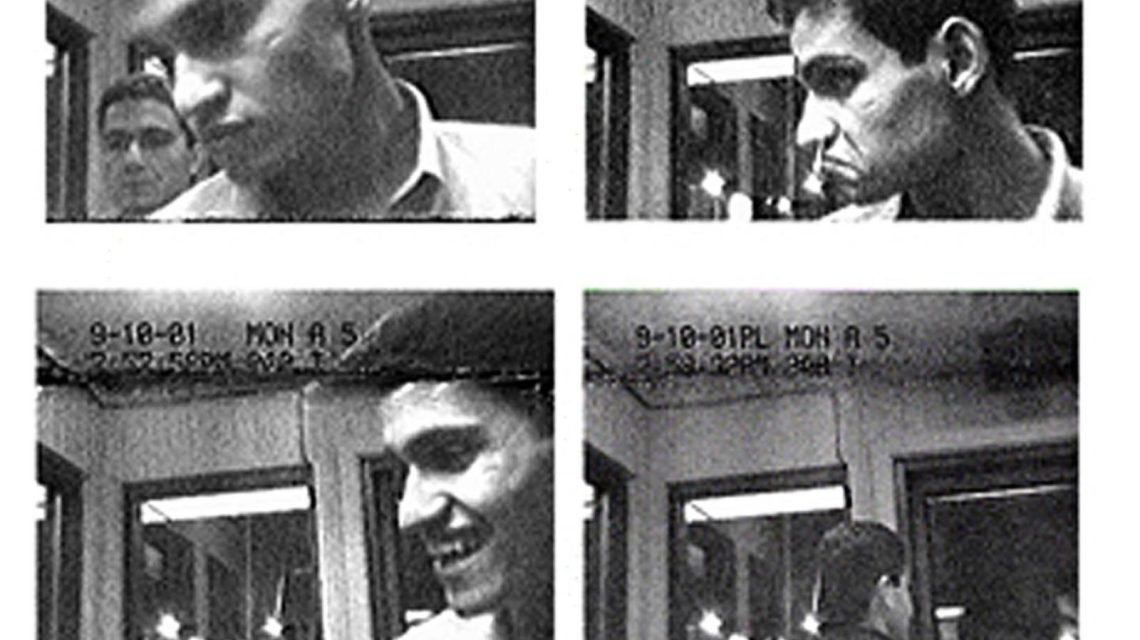
As part of a detailed series marking 20 years since September 11, Newsweek meticulously traces the events leading up to the tragic day. This analysis includes intelligence indications and actions taken by terrorists before the attack.
The FAA’s Early Warning
On August 16, 2001, the Federal Aviation Administration’s (FAA) intelligence office issued a circular titled “Disguised Weapons,” warning airlines about potential terrorist tactics. This alert suggested terrorists might employ weapons altered from ordinary items to hijack airplanes. Despite this notice, airport security systems were largely unaffected, as the perpetrators used knives and razors—items allowed on board at the time.
The Hijackers’ Preparations
Khalid Sheikh Mohammed began testing security protocols by bringing knives and razor blades onto flights in December 1999. Walid bin Attash, known as “Khallad,” initially carried a razor knife on a flight from Pakistan to Malaysia. He also tested security on U.S. flights to Malaysia, Bangkok, and Hong Kong. In January 2000, during a trip with Khalid al-Mihdhar and Nawaf al-Hazmi to Malaysia, he again took a knife onboard.
Khallad’s findings were shared with Mohammed Atta. Upon returning to the U.S. from Zurich on July 8, Atta acquired two Victorinox Swiss Army knives, successfully bringing them through airport security.
Purchases and Initial Tests
After 9/11, an FBI investigation revealed that each group of hijackers had obtained at least seven knives per flight. On August 13, Marwan al-Shehhi, involved in piloting UA Flight 175 into the South Tower, bought two specific knives, a Cliphanger Viper and an Imperial Tradesman Dual Edge, in Florida. His co-conspirators, Fayez Banihammad and Hamza al Ghamdi, purchased a Stanley snap knife set and a Leatherman Wave multi-tool.
On August 27, Nawaf al-Hazmi purchased a Leatherman Wave Multi-tool from a Target in Maryland. Although no weapon purchases were confirmed for UA Flight 93’s hijackers, the FBI found 14 knives or their parts, including a box cutter, in the wreckage.
The Hijacking Plan
Ramzi Bin al-Shibh, captured post-9/11, provided interrogators with insights into discussions held in Spain with Mohammed Atta. These conversations explored the operational aspects of the hijackings. He noted that Atta, along with al-Shehhi and Ziad Jarrah, faced no difficulties carrying box cutters on test flights across the U.S.
Newsweek continues to chronicle the lead-up to 9/11, with real-time updates and reflective pieces published daily. On September 11, readers can follow the events as they unfolded through live tweets beginning at 4:45 a.m. EST.
 British Police Arrest Man Suspected of Terror Plot
  Activists Push for Nationwide Ban on Child Marriage in the U.S.
  Investigation into Alleged Incident at Cornell University
  Rising Drone Threats Highlight Vulnerabilities in Moldova’s Airspace Defense
  Bolivia Faces Security Test Amid Unrest
  Incident on FlyDubai Flight Raises Security Concerns