
The mobilizations for Jane Doe at Cornell University and all survivors of sexual assault have sparked global support. These movements have been particularly strong in Ithaca, New York, where I reside. The consistency and power of these actions are remarkable. In an unusual turn, media coverage has been substantial, and there are widespread demands for accountability. However, deeper discussions about what true accountability looks like remain scarce.
Conversations frequently focus on punitive measures within the criminal legal system. Yet, there is a growing call to explore alternative frameworks that prioritize survivors’ needs. Accountability should not solely revolve around punishment. It should aim for long-term healing and empowerment of those affected.
Rebecca Solnit and Rabbi Danya Ruttenberg offer insights into redefining accountability. They emphasize centering survivors in the process. This involves listening to their experiences and understanding their paths to healing. The goal is to create supportive environments that nurture recovery over retribution.
Community involvement plays a crucial role in this approach. It encourages dialogue and fosters environments of safety and respect. These discussions are essential in reshaping societal perceptions of accountability. By involving communities, we can move towards comprehensive support systems for survivors.
Effective accountability entails recognizing the multifaceted nature of trauma. Each survivor’s journey is unique, and responses must be individualized. By shifting focus from the criminal legal system to survivor-centered practices, there is potential for significant transformation. Healing justice frameworks offer one avenue, promoting holistic support that addresses individual and collective trauma.
The current moment provides an opportunity to chart new paths. Redefining accountability requires commitment and courage. It demands a departure from traditional paradigms towards models that honor survivors’ voices and experiences. As movements grow globally, they invite participation in crafting solutions that prioritize genuine healing and accountability.
 Maintaining Knee Health for Life
 Lash Technician’s Cancer Diagnosis Leads to Major Life Changes
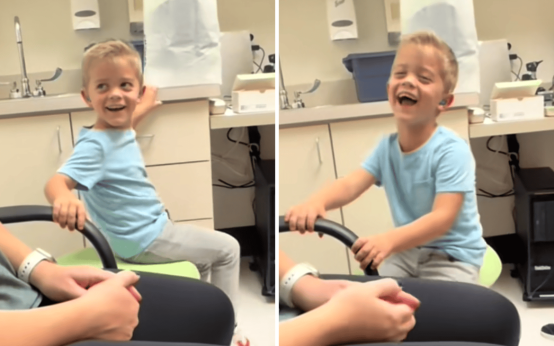 Young Boy Hears for the First Time with Hearing Aids
 Epilepsy and the Risk of Young-Onset Dementia
 Theranos Whistleblower Tyler Shultz Speaks Out on Documentary Depiction of Elizabeth Holmes
 President Trump Establishes Women’s Health Division