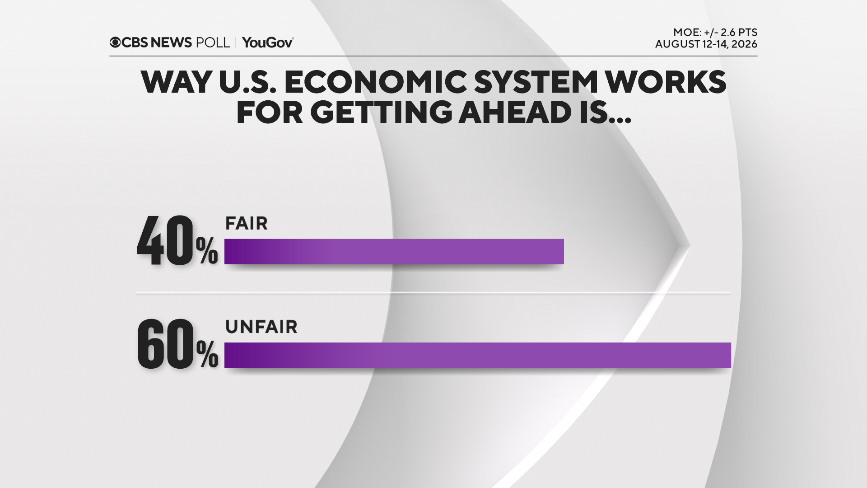
Most Americans see the free market system positively, with capitalism favored over socialism. Despite this favorability, many feel it’s harder now to buy a home, raise a family, or achieve financial security compared to the previous generation. The younger population particularly perceives limited opportunities.
Many Americans view the current economic system as unfair in providing opportunities. This perception influences political attitudes, as seen in Democratic primary discussions. Among Democrats, socialism often receives a better view than capitalism. This perspective contrasts with the general trend where capitalism is seen more favorably.
Public evaluations of the economy are largely negative, prompting many to question the broader economic framework, potentially seeking solutions beyond traditional ideologies. People’s perceptions of fairness correlate with their economic status and opportunities, with younger generations sensing fewer prospects.
Understanding Socialism
Definitions of socialism vary. Many associate it with government control or ownership, but others highlight equality, fairness, and helping people. Republicans and independents often mention government control. Democrats tend to focus on equality, fairness, and public services.
Political Party Views
Democrats generally hold more favorable views of socialism than the general public. Democrats with college degrees are more aware of income disparities and often criticize their party’s effectiveness. Younger and more liberal Democrats notably support the idea of a democratic socialist.
In the Democratic Party, the term ‘Democratic establishment’ is not seen negatively by most, though those with negative views question the party’s effectiveness. Half of Democrats feel their party matches their progressive ideals, while the other half wants more progressiveness.
When it comes to policy, Democrats prefer noticeable, transformative changes over smaller, incremental ones. They desire policies that make them feel the party is advocating for them.
Public Perception of Parties
Both Democrats and Republicans face challenges aligning with public views on economic and cultural issues. Each party gains moderate agreement from voters. However, more than a third of Democrats consider their party weak and desire more progressive policies.
Conversely, the Republican Party is often described as extreme and ineffective. Nonetheless, a slight majority of both parties and independents would accept government price controls. About half align with Republican views to some extent.
Desire for Younger Leadership
Recent political contests have seen some incumbents losing to younger candidates. Many Americans believe having more young people and moderates in office would improve politics. Democrats especially support this view.
This information was gathered from a CBS News/YouGov survey conducted with 2,287 U.S. adults between August 12-14, 2026. The sample was nationally representative, with a margin of error of ±2.6 points.
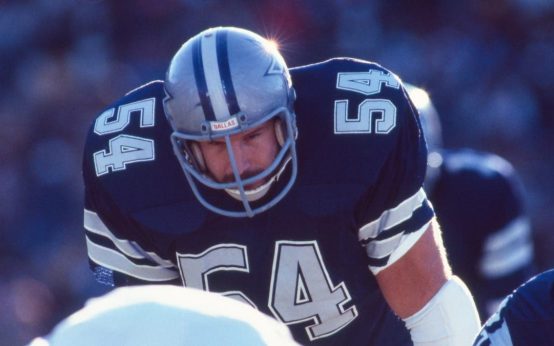 Randy White Backs Ken Paxton in Texas Senate Race
 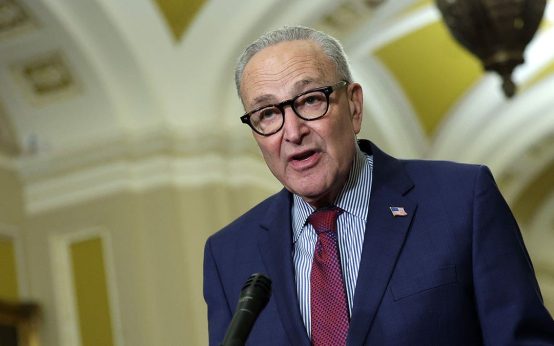 Senate GOP Tests Votes on Data Center Costs and Voter ID Laws
 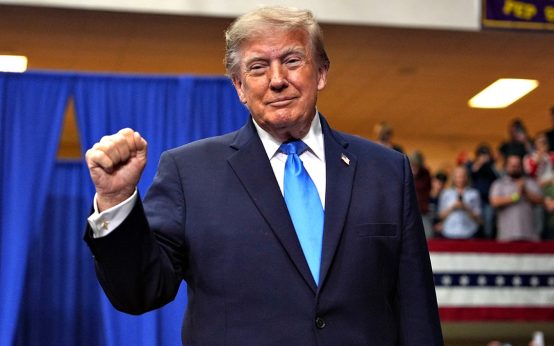 President Trump Unveils New Super Intelligence Force
  Supreme Court’s New Term Tackles Climate Liability and Key Legal Battles
  Midterm Elections: A Potential Turning Point
  Andy Burnham’s Approach to Address UK’s Economic Stagnation