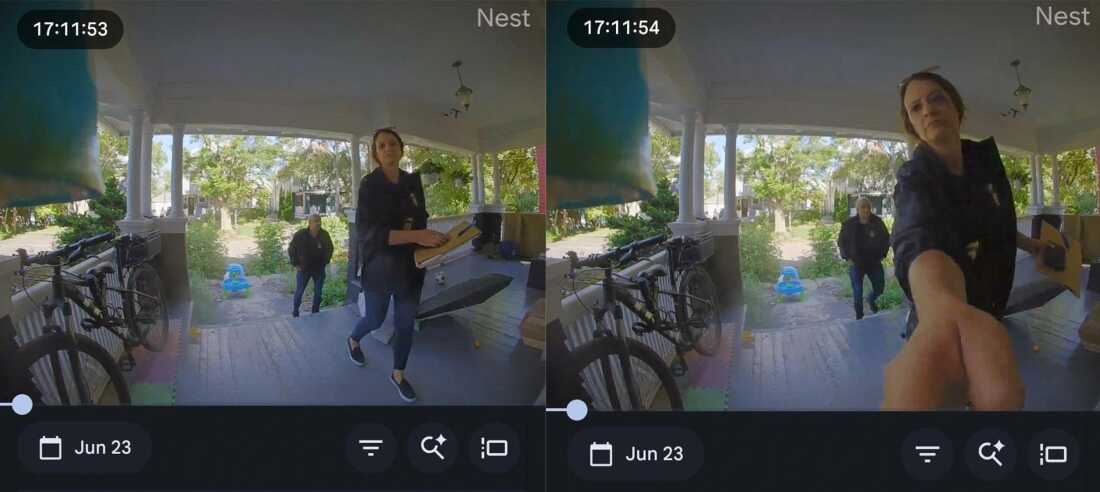
Two federal agents visited David Streever’s home in Rochester, N.Y., investigating a critical email that he sent to the former head of U.S. Immigration and Customs Enforcement (ICE). Streever’s email was sent to Todd Lyons, ICE’s former acting director, five months earlier, expressing his disapproval following the fatal shooting of two U.S. citizen observers by federal immigration officials in Minneapolis.
Federal officials are defending their investigation in court filings. The case against Streever, initiated on June 23, is reportedly closed, yet the controversy continues.
Streever’s email compared Lyons to a Nazi, predicting internal torment due to his actions.
Streever’s wife received a warning notice to be signed and returned to ICE, citing potential violations of federal law concerning threats to officials. Streever argues these actions caused him to self-censor, infringing on his First Amendment rights. His legal team, from the Foundation for Individual Rights and Expression (FIRE), filed a lawsuit against the Department of Homeland Security (DHS), seeking to prevent further intimidation or retaliation.
Federal lawyers assert the case should be dismissed, emphasizing the importance of government investigations in response to increasing threats against public officials. Such visits, they contend, are crucial for preventive purposes and don’t violate the First Amendment.
Adam Steinbaugh from FIRE highlights the issue, pointing out that there is no claim that Streever’s January email constitutes a violent threat. The government acknowledges the email as protected political speech, yet insists on issuing warnings.
Streever’s email criticized Lyons, accusing him of moral culpability, likening his actions to those of Nazi official Reinhard Heydrich. This language prompted Brent Goodwin, ICE’s assistant director for investigations, to initiate an inquiry due to perceived threatening undertones.
Agents traveled over 330 miles from Jersey City to Rochester but found Streever abroad. They tracked his return flight, aiming to confront him at JFK Airport, only to discover he had cleared immigration. Attempts to locate him at a hotel were unsuccessful, leading to the case’s closure by June 30.
Syracuse media coverage had begun by then, raising awareness of Streever’s legal battle.
Steinbaugh emphasizes that the outcome could affect Americans’ freedom of speech online, cautioning against potential government actions against critics in the future.
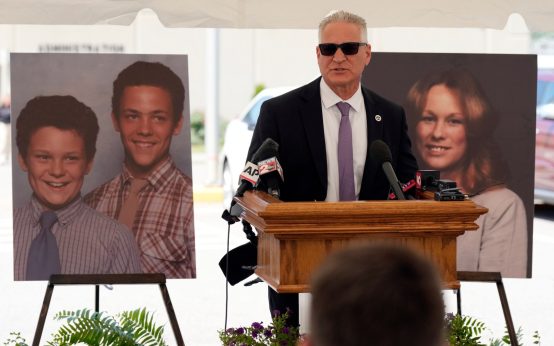 Tennessee Faces Scrutiny After Failed Execution of Christa Pike
 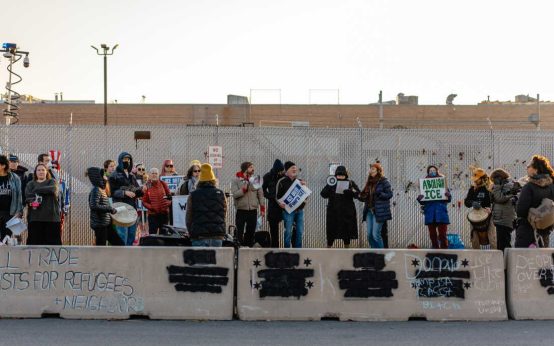 Demonstrators Sue Media Personality for Defamation
  State’s Repeated Failures in Conducting Lethal Injections
  Judge Declares Police Use of Flock Cameras Unconstitutional
  Police Release Arrest Video of Luigi Mangione in Pennsylvania
 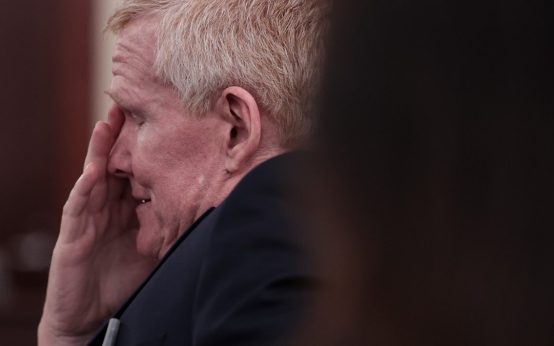 Murdaugh Attorneys Accuse Prosecutors of Withholding Key Evidence in Retrial