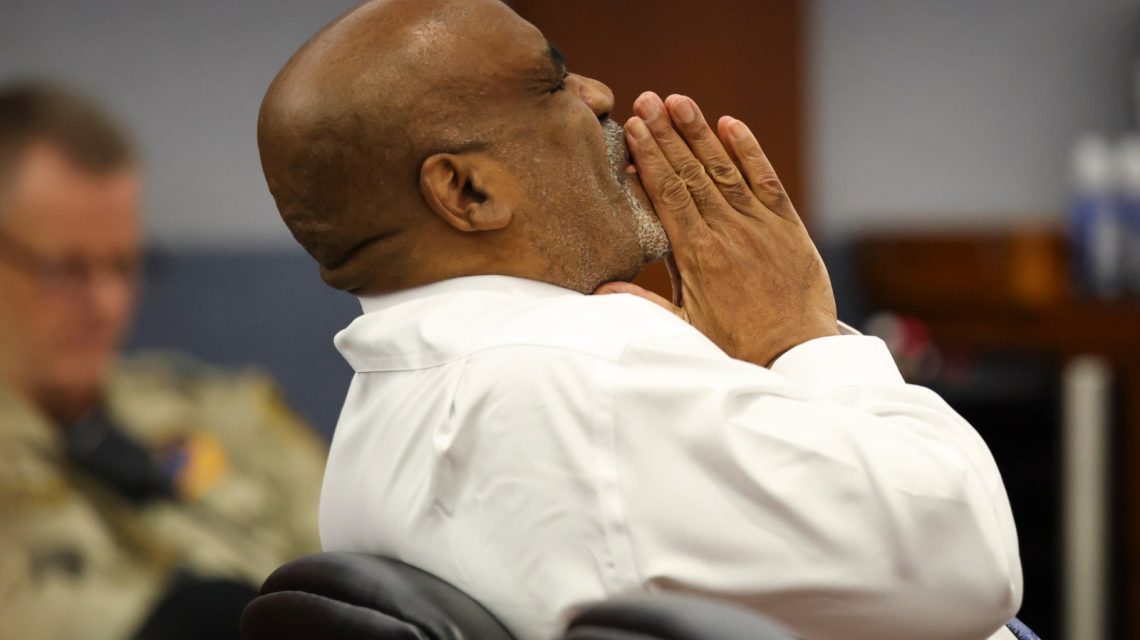
The trial of Duane “Keffe D” Davis began with prosecutors presenting a detailed narrative of the events they claim led to the 1996 shooting of rapper Tupac Shakur. Prosecutors allege Davis orchestrated a retaliatory attack following an assault on his nephew, Orlando Anderson, by Shakur and his entourage on the Las Vegas Strip.
Davis appeared in court in a blue suit and tie, showing little emotion during the proceedings. Prosecutors asserted that while Davis did not fire the gun, he played a central role in planning the attack and procuring the weapon. His attorney, Michael Sanft, disputed these claims, challenging the validity of the prosecution’s statements.
The Alleged Retaliation for a Family Assault
Prosecutor Marc Wall explained to jurors that tensions long predated Shakur’s death. According to the prosecution, friction existed between the Mob Piru gang, linked with Death Row Records, and the South Side Compton Crips led by Davis. An earlier conflict at Lakewood Mall in California involved a Mob Piru member’s chain being stolen, further escalating tensions.
The situation peaked on September 7, 1996, when Shakur and his entourage attacked Anderson in the MGM Grand casino. Surveillance footage captured the incident, marking a significant turn in the case. Prosecutors claimed Davis’ reaction to the attack on his nephew necessitated retaliation.
Wall stressed Shakur was “not a gangster” but “an artist,” yet his associations placed him amidst the gang dispute. Prosecutors asserted that Davis became furious and decided on a retaliatory strike.
Davis’ Recorded Confession
A crucial part of the state’s case involves statements Davis allegedly made years after Shakur’s murder. Facing unrelated federal drug charges, Davis reportedly offered information about Shakur’s murder to a federal task force.
In a recorded session, Davis allegedly detailed the shooting and identified key players involved. Prosecutors presented Davis’ trip to New York to implicate Eric “Zip” Martin as evidence of his extensive cooperation.
Prosecutors plan to use Davis’ recorded statements as significant evidence in the trial.
Davis’ Statements on Shooting
Prosecutors recounted Davis’ alleged claims about the shooting, stating he was in the front passenger seat of the Cadillac used in the attack. Davis reportedly passed the gun to the back seat, where DeAndre “Dre” Smith and Anderson sat, asserting that had Shakur’s car been on his side, he would have shot himself.
The prosecution stated these remarks highlight Davis’ involvement and intent. Prosecutors argue the shooting arose from gang tensions and revenge for Anderson’s beating.
Defense Challenges Evidence
In his opening statement, Davis’ attorney argued the case rests on dated statements without concrete evidence. He emphasized a lack of corroborating facts tying Davis to the murder.
The defense noted accepted facts: Shakur was shot on September 7, 1996, and .40-caliber shell casings were found. Beyond these, the attorney claimed the prosecution cannot substantiate its theory independently.
Sanft criticized the investigation’s history and lack of cohesive evidence from multiple agencies involved. He asserted that Davis’ 2008 statements remain unverified and uncorroborated.
The defense highlighted alleged lapses in detective work and argued the prosecution seeks a conviction on unsubstantiated witness statements.
Trial Progression
With opening statements concluded, witnesses will testify to establish pre-shooting events and Davis’ role in the purported retaliation. Prosecutors will aim to prove Davis orchestrated and facilitated the attack, making him liable under Nevada law. The trial is projected to continue for several weeks. Davis, 63, maintains his not-guilty plea and confronts a potential life sentence if convicted.
 Immigration Judge Allows Deportation of Wisconsin Mosque Leader Salah Sarsour
  Lindsay Clancy Faces Potential Retrial After Mistrial
  Tennessee Prepares for Rare Execution of Woman on Death Row
  Mistrial in Lindsay Clancy Case: Juror Speaks Out
  Utah Judge Orders Release of Man on Death Row After DNA Evidence Emerges
  Kurt Olsen Resigns from the Justice Department Amid Investigation