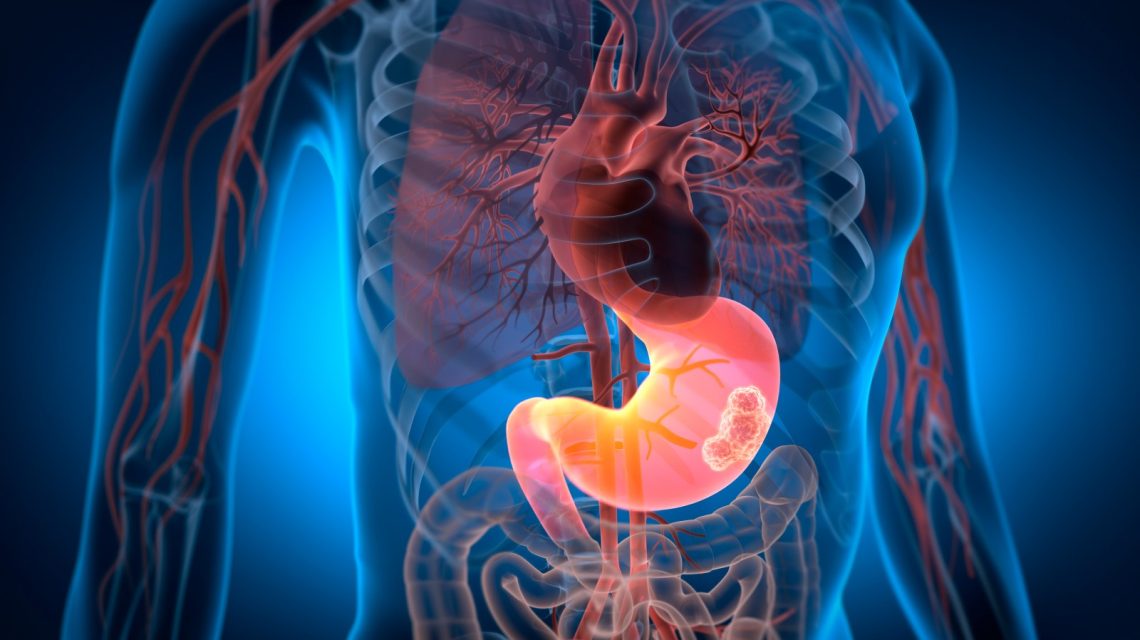
Researchers have developed a promising technique to combat solid tumors, potentially reshaping cancer treatment strategies. While CAR-T cell therapy has been effective for blood cancers, its impact on solid tumors has been limited until now.
CAR-T therapy involves introducing a gene into a patient’s T cells, enabling them to identify and destroy cancer cells. Traditionally, it’s used when standard treatments fail, especially in recurring blood cancers. However, solid tumors lack a distinct target for CAR-T cells, hindering effectiveness.
At USC Viterbi School of Engineering, researchers have devised a novel method using focused ultrasound to provide a more precise target for CAR-T cells. Tianze Guo, a doctoral student, explained to Newsweek that this approach temporarily marks hard-to-target tumors, allowing CAR-T cells to recognize them. The system combines tumor signals like low oxygen with focused ultrasound aimed precisely at the tumor.
The method, named SHIFTERS, enables tumor cells to briefly present CD19, a marker recognized by CAR-T cells. USC’s Peter Yingxiao Wang, from the Alfred E. Mann Department of Biomedical Engineering, described it as a major advancement in treating solid tumors, though further development and funding are necessary before clinical application.
Solid tumors often experience low oxygen levels due to rapid growth outstripping blood supply. SHIFTERS employs a dual strategy, targeting this low oxygen condition along with focused ultrasound. This technology can reach tissues inside the body without surgery. “The goal is to make these tumors more recognizable and empower doctors to control treatment activation,” Guo told Newsweek.
Previous attempts sought a unique marker exclusive to solid tumors. SHIFTERS forces tumors to produce the desired marker. Initial tests were conducted on cultured cancer cells, then on tumor models, followed by animal trials. Results showed a stronger CAR-T cell response and significant tumor reduction with the ultrasound method.
Not all tumor cells need to display the temporary marker; just 10 to 25 percent suffice to trigger a cancer-fighting immune response. Yet, this promising approach remains experimental and awaits human testing.
Guo highlighted the main challenge: delivering the SHIFTERS genetic program into tumors practically. Two delivery methods, lipid nanoparticles and modified viruses, are under consideration before transitioning to larger animal studies and human trials.
Reference: Tianze Guo et al., Ultrasound priming gated by solid tumor hallmarks to guide CAR-T therapy. Sci. Adv.12,eaed0666(2026). DOI:10.1126/sciadv.aed0666
 Resurgence of Measles in the U.S.: A Warning Sign
  AI Therapy and the Risks of Unregulated Support
  The Debate Over Paid Leave in America: McConnell’s Absence and Maternity Leave Disparities
  The Best Remedies to Combat Foot Odor
  Increase in Wait Times for Cancer Treatment in the U.S.
  Legal Battle and Medical Journey of a Baby with Heart Condition