Florida is facing its largest dengue fever outbreak in decades, with more than 290 locally acquired cases reported. Former CDC Director Dr. Robert Redfield highlights the transmission risks and crucial prevention methods. In response, Hillsborough County has deployed aerial spraying to combat the virus-carrying mosquitoes.
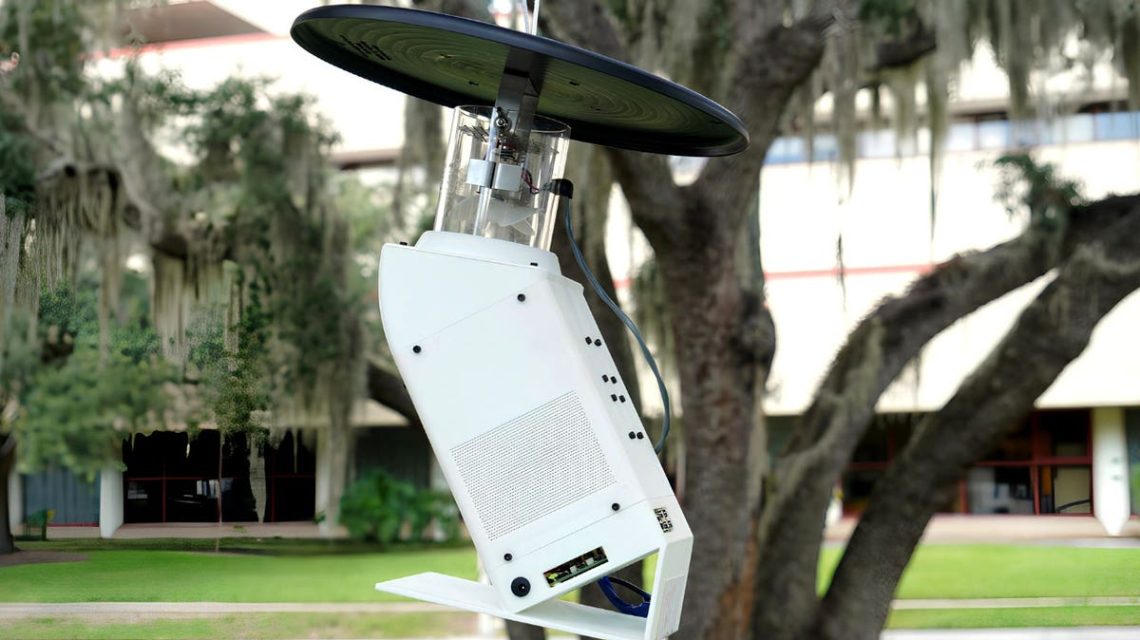
Despite the cooler weather in most of the country, mosquitoes continue to be a significant issue in Florida. The state reports that hundreds of people have contracted the virus locally. Researchers at the University of South Florida have introduced an AI mosquito trap capable of identifying mosquito species with over 98% accuracy, providing crucial assistance in outbreak management.
Florida’s Current Dengue Situation
The mosquito season extends beyond summer in Florida. The Florida Department of Health’s weekly report indicates that Hillsborough County documented 407 local dengue cases in 2026. Statewide, 524 cases were recorded by the end of October. In October, health officials confirmed an ongoing dengue outbreak in Hillsborough County. Dengue symptoms include high fever, severe headaches, and intense muscle pain, with potential life-threatening complications. Residents are urged to take precautions against mosquito bites.
On November 13, Hillsborough County extended its state of local emergency through November 19. Mosquito control crews are increasing efforts to contain the outbreak. The warmer climate allows mosquitoes to remain active, demonstrating that threats persist beyond summer. New technology offers hope for better mosquito control responses.
Innovative AI Mosquito Trap
Developed by Digitomy, a startup from the University of South Florida, the AI mosquito trap aims to assist mosquito control teams by providing rapid identification of captured insects. The trap is simple to use, utilizing light or bait to attract mosquitoes into its confines. It then uses AI and built-in cameras to analyze imagery against a comprehensive database, determining the mosquito species.
Beyond species identification, it can also determine the mosquito’s sex and feeding status. Female mosquitoes are the prime carriers of diseases, making such data vital. Tests have shown an accuracy exceeding 98% in laboratory conditions.
The Importance of Rapid Identification
Traditional mosquito monitoring can take days. Digitomy’s system seeks to condense this into a single day by using AI and cloud computing for quick species identification. This rapid identification helps control teams understand the geographical presence of potentially dangerous species and focus control measures accordingly.
The primary vector for dengue in Florida is Aedes aegypti. Among over 3,500 mosquito species globally, not all spread the same diseases. However, the trap does not independently verify if a mosquito is dengue-infected, requiring further lab testing for confirmation.
Potential Impact of AI Mosquito Traps
Once a mosquito is identified, Digitomy transmits the information to a mapping dashboard, highlighting species distribution in real time. This aids mosquito control teams by providing immediate data on where harmful species are. Such timely information can prompt preemptive control actions before further outbreaks occur.
Digitomy’s technology is integrated into the Global Mosquito Observations Dashboard, combining trap data with citizen science reports for a comprehensive overview. Faster detection may not completely prevent outbreaks but facilitates timely and more informed responses, particularly in resource-constrained areas.
Adoption and Future Availability
Currently, the technology has undergone testing at the University of South Florida and with the Anastasia Mosquito Control District. Researchers are preparing for extensive field trials in Hillsborough County, where the dengue outbreak has been particularly intense. The startup is working with USF’s Technology Transfer office to license the technology to established trap manufacturers.
Commercial availability is anticipated through licensing agreements with existing manufacturers. The university has not announced a launch date or pricing details for consumers. A $25,000 grant from the USF Research Foundation is aiding the acceleration of technology commercialization.
Implications for Public Health and Safety
While not likely to see in home gardens soon, this technology could influence how communities manage mosquito populations. Smarter surveillance can enable faster identification and response, potentially preventing outbreaks.
Residents can contribute to controlling mosquito populations by emptying standing water and using EPA-registered insect repellents. Wearing protective clothing outdoors is also recommended.
For more tips on mosquito prevention, visit CyberGuy.com.
The advancements in AI for mosquito identification present a proactive approach to managing public health risks associated with mosquito-borne diseases.
 The Future of MAHA in American Health Politics
 Insulin Cost Caps Gaining Support Amid Rising Prices
 A Personal Journey Through Encephalitis
 Low-Cost Medication May Benefit Stroke Survivors
 The Complex Debate Over Kratom Use in the U.S.
 Health Risks of Plastic Chemicals on Pregnant Women