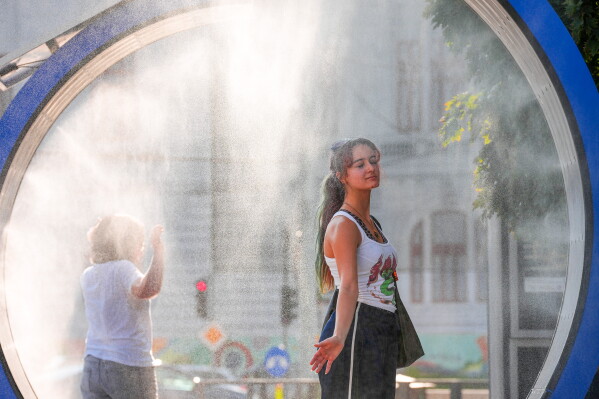
When the weather is hot, dressing seems straightforward: wear light and loose clothing. However, researchers say it involves more than that. The fabric type is vital, but so are weight, construction, fit, and color. Effective heat management also depends on your activities and sweat levels.
With extreme heat becoming a public concern, scientists are focusing on clothing that helps people stay cool. Clothing affects the body’s response to heat. No single fabric is best; factors like weight, construction, airflow, fit, color, and moisture play crucial roles. George Havenith, an environmental physiology expert, emphasizes allowing sweat to evaporate. “The most important thing in the selection of clothing would be to make sure you do not hamper sweat evaporation,” he says.
Choose Lightweight and Breathable Clothing
In high temperatures, opt for lightweight garments that let air reach your skin, aiding sweat evaporation. This feature, called air permeability, is influenced by fiber type and weave. Meredith McQuerry from Florida State University explains that open weave structures are best. Cellulosic fibers like cotton and flax enhance breathability and comfort. Yet, fiber type doesn’t tell the full story. An open woven structure generally breathes better.
Understanding Wicking Properties
Wicking fabrics move sweat from the skin and help it evaporate. Synthetic fibers in sportswear are common for this reason, says Havenith. However, wicking doesn’t equal cooling. Evaporation away from the skin can feel less cool. When choosing clothing, consider the fit. Loose garments allow ventilation, while tighter fits might suit physical activity better for more efficient sweat evaporation.
Cotton vs. Polyester: Choosing the Right Fabric
If deciding between cotton and polyester, consider your activity and expected sweat. Cotton absorbs sweat but may get heavy when wet. Engineered polyester moves moisture across the fabric, drying quicker, making it ideal for exercise. Po-Chun Hsu from the University of Chicago notes that polyester evaporates sweat continuously, unlike cotton, which can become uncomfortable when saturated. Jonathan Chen from the University of Texas suggests lightweight polyester for breathability.
Cotton can also aid in extreme heat. Wetting cotton clothing intentionally provides cooling, especially beneficial for older adults who sweat less effectively.
Consider Sunlight and Cooling Apparel
In direct sunlight, cover your skin to avoid UV exposure, says Havenith. Loose, ventilated clothing offers protection and airflow. Lighter or reflective fabrics reduce heat gain. Hsu notes that fabric engineering for sunlight reflection is advancing.
Beware of simple “cooling” labels. Some merely feel cool initially but lose effect. True cooling fabrics enhance evaporation or reflect sunlight. Innovations include fan-equipped clothing, popular in Japan. These garments help sweat evaporate by circulating air. Havenith remarks on their comfort but notes limited impact on core temperature and battery dependency.
In selecting apparel, consider garment weight, air permeability, moisture handling, fit, sun exposure, and activity level. While no perfect fabric exists, thoughtful choices enhance comfort and effectiveness in managing body heat.
___
The Associated Press’s climate coverage is funded by private foundations. AP upholds editorial independence. For more, see AP.org.
 Creatine Supplementation Benefits for Middle-Aged and Older Adults
  Families Fight Trump Administration’s Ban on Medical Care for Trans Youth
  Addressing Concerns Over Child’s Health Decisions
  Challenges and Connections in Farming and Food
  Elgin Lanes: A Revitalized Legacy
  Expanded Recall of Bettergoods Lemon Alfredo Fettuccine Due to Listeria Concerns