
Flight attendants and pilots face the highest risks of dying from cancers associated with radiation exposure, surpassing even those who handle radioactive materials. Cosmic radiation originating from space has a greater impact on individuals regularly flying at high altitudes. While previous small studies hinted at increased cancer mortality rates among frequent fliers, the latest study published by JAMA Internal Medicine significantly enhances the understanding of this issue.
Utilizing national data from over 12 million death certificates, researchers investigated mortality rates related to radiation exposure, focusing on leukemia, lymphoma, multiple myeloma, and cancers affecting skin, breast, thyroid, prostate, and central nervous system. Among over 500 occupations, flight attendants recorded the highest deaths from radiation-related cancers, followed by pilots. These professionals showed a unique vulnerability to various radiation-related cancers compared to other types.
Commentary authors Catherine Olsen and Ken Karipidis noted that neither group exhibited increased death rates from cancers unrelated to radiation exposure, supporting the hypothesis that occupational radiation exposure—not lifestyle or socioeconomic factors—underpins the observed excess.
Flight attendants have approximately 50% higher odds of dying from radiation-related cancers than the general workforce, while pilots have around 36% higher odds. The absolute risk indicated 6.9% of flight attendant deaths and 6.7% of pilot deaths stemmed from these cancers, compared to 5% among the general working population, according to the study’s lead author, Dr. Vishal Patel from Harvard Medical School.
The researchers acknowledged certain study limitations. They were unable to determine the precise radiation exposure levels for each flight attendant or pilot. Additionally, some occupations might have been incorrectly classified on death certificates. Furthermore, factors like frequent disruptions of the body’s internal clock due to jet lag, crossing time zones, and irregular work schedules may exacerbate cancer risks in these professions.
The Federal Aviation Administration recognizes that aircrews encounter ionizing radiation, yet there are no federal regulations for dose limits or mandatory exposure monitoring. “You can’t manage an exposure you’ve decided not to measure,” Patel emphasized. Sara Nelson, union leader representing 55,000 flight attendants, argues the report underscores the importance of addressing radiation exposure risks that the union has highlighted over time.
Nielsen, president of the Association of Flight Attendants-CWA, believes annual skin examinations could benefit all individuals working in high-altitude flights. Additionally, women in these roles might consider earlier or more frequent mammograms. Physicians treating pilots and flight attendants should maintain a “heightened index of suspicion” regarding cancer diagnoses for these patients.
The Associated Press Health and Science Department receives support from the Howard Hughes Medical Institute’s Department of Science Education and the Robert Wood Johnson Foundation. The AP retains full editorial control over all content.
 U.S. Monitors Russian Plague Scare
  Guide to Choosing the Best Probiotic Powder for Gut Health
 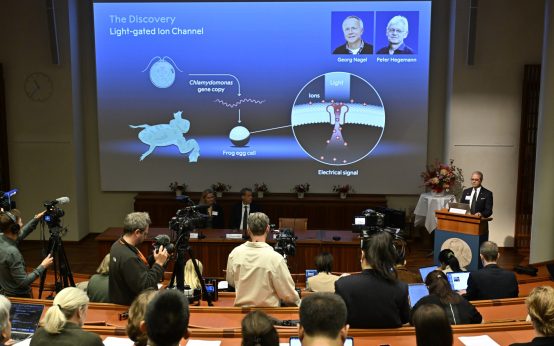 2026 Nobel Prize in Physiology or Medicine Awarded for Optogenetics Research
  Trump’s Daily Aspirin Habit and Its Implications
  Grudges and Forgiveness: The Impact on Mental Health
  Crackdown on Fraudulent Obamacare Enrollments