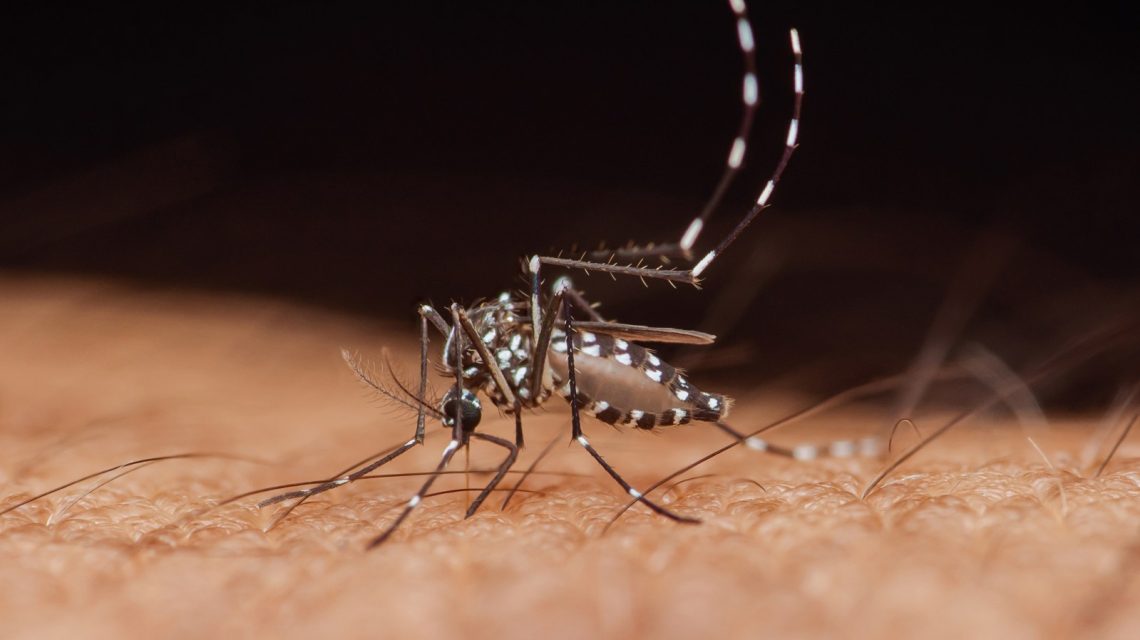
West Nile virus has been reported in 32 states this year. The mosquito-borne disease has affected people during the peak summer months, according to recent data from the U.S. Centers for Disease Control and Prevention (CDC).
As of August 18, the CDC’s ArboNET surveillance system recorded 222 human West Nile virus cases nationwide, including 156 neuroinvasive cases. This form of the illness severely affects the brain and nervous system. The CDC’s county-level map also indicates widespread non-human activity. Mosquitoes, birds, and other animals carry infections, showing the virus circulates beyond areas with reported human cases.
The latest data highlights the typical peak of West Nile virus activity in late summer and early fall. Though most infected people remain symptom-free, severe infections can lead to hospitalization and death. Eight deaths have been reported; five in Arizona and three in California.
Where West Nile Virus Is Being Reported
CDC data shows Arizona with the most reported cases at 76, followed by Texas with 31 and California with 29. Eighteen states, primarily in the Midwest, Mid-Atlantic, and Northeast, report no cases. Alaska and Hawaii are also without cases.
How to Protect Yourself From West Nile Virus
Prevention is the primary defense against West Nile virus. The CDC recommends avoiding mosquito bites by using EPA-registered insect repellents. Wear long-sleeved shirts and pants when mosquitoes are active, and ensure window and door screens are well-maintained.
People should eliminate standing water where mosquitoes breed. Check flower pots, buckets, bird baths, pet dishes, and gutters regularly. Remove or refresh standing water to reduce mosquito populations.
What Are the Symptoms?
Most infections do not cause symptoms. The CDC estimates about 80% of infected people remain asymptomatic. Roughly 20% develop mild illness, known as West Nile fever, with symptoms like fever, headache, body aches, joint pain, vomiting, diarrhea, and rash.
A small percentage of cases lead to severe disease affecting the central nervous system. Symptoms include high fever, severe headache, neck stiffness, confusion, tremors, muscle weakness, vision loss, numbness, or paralysis. Less than 1% develop neuroinvasive disease, which often necessitates hospitalization and can have long-lasting effects. About 10% of those with severe neurologic disease die.
Who Is Most at Risk?
Anyone in an area where West Nile virus circulates is at risk. The virus has been reported in every contiguous U.S. state since its first detection in New York in 1999.
Older adults face heightened risk of serious neurologic complications. The CDC notes that people aged 65 and older are significantly more prone to neuroinvasive disease. Those with weakened immune systems or chronic medical conditions are also at increased risk.
Which Areas Are More Susceptible?
West Nile virus occurs where mosquitoes and susceptible birds are present. Mosquitoes become infected after feeding on birds, particularly those in the Culex genus. Geography, climate, and mosquito ecology significantly impact outbreak locations.
Warm temperatures quicken mosquito reproduction and viral replication, heightening transmission risk during summer. Areas with abundant mosquito habitat, suitable weather, and large bird populations often experience sustained activity. The CDC warns that the absence of reported human cases does not imply an area is safe. Human infections can be underreported, especially mild cases, and mosquito and animal surveillance varies by region.
How Is West Nile Virus Treated?
No specific treatment exists for West Nile virus. Patients with mild illness should rest, hydrate, and manage symptoms with supportive care. Severe disease cases may require hospitalization for intravenous fluids, respiratory support, or other treatments addressing complications.
Recovery from neuroinvasive disease can take weeks or months, with some patients experiencing lasting neurological issues. As mosquito season continues, health officials urge residents to take precautions against the active virus across states.
 Trump’s Daily Aspirin Habit and Its Implications
  Grudges and Forgiveness: The Impact on Mental Health
  Crackdown on Fraudulent Obamacare Enrollments
  Voice Disorders Linked to Increased Dementia Risk, Study Finds
  Understanding Misperceptions Around Sexual Violence and Intervention
  Ibogaine Treatment Travel: Americans Seeking Alternatives Despite Risks