Panama’s Geopolitical Shift
Panama is experiencing consequences after distancing itself from Beijing. Reports show an increase in inspections and detentions of Panamanian-flagged ships by Chinese authorities. This follows a decision by Panama’s Supreme Court to annul concessions held by Hong Kong-based CK Hutchison at the Balboa and Cristobal container terminals. China cites safety concerns, but Panamanian officials suspect retaliation as China’s commercial influence weakened at both ends of the Panama Canal.
Broader Implications in the Western Hemisphere
This situation in Panama is part of a larger struggle for influence in the Western Hemisphere. Over the last two decades, China has expanded its reach through investments in Latin American infrastructure, including ports, railways, and energy projects. These ventures extend China’s influence beyond mere commerce. However, the U.S. has begun to challenge this expansion.
The Panama case showcases the complexity of reversing two decades of Chinese infrastructure development. As an early assignment with the U.S. Army in the Panama Canal Zone, I came to value the canal not just as a waterway but as a major engineering achievement and a strategic U.S. asset. Built by the U.S. Army Corps of Engineers, the canal revolutionized global trade and cemented U.S. strategic influence in the region.
Growing Chinese Presence
Recently, discussions in Panama frequently focus on China’s increased presence around the canal and across the country. While awareness among Americans is growing, Panamanians have observed this expansion for years. Panamanian recognition of the People’s Republic of China in 2017 marked a shift, ending diplomatic ties with Taiwan and joining the Belt and Road Initiative in 2018. Chinese companies pursued several large projects, such as the proposed Panama City-David railway and the Fourth Bridge over the Panama Canal.
Significant concern surrounds the Balboa and Cristobal terminals, operated by Panama Ports Company, affiliated with CK Hutchison. Although China does not own or operate the canal, firms linked to Beijing have gained influence over the surrounding commercial infrastructure.
China’s Strategic Influence in Latin America
China’s influence isn’t limited to Panama. The state-owned COSCO Shipping controls the Chancay port in Peru, while China’s State Grid has heavily invested in Brazil’s electricity network. Chinese firms have expanded across energy, mining, and telecommunications in Latin America. In Venezuela, Chinese loans supported oil access and backed the Maduro regime.
Though each investment had commercial reasons, they collectively created a network of Chinese influence across Latin America. This raised concerns in Washington, viewing Chinese encroachment around the canal as a national security issue.
U.S. Response and Strategic Moves
The U.S. heightened its engagement with Panama and supported initiatives that led CK Hutchison to agree to transfer its controlling interest in the terminals to a U.S.-led consortium. Panama’s withdrawal from the Belt and Road Initiative further signaled a shift. When Chinese resistance hindered the sale, Panama’s Supreme Court ended the port concessions, paving the way for new leadership.
Future Contests Over Infrastructure
The situation in Panama represents the first attempt to counter a broader Chinese infrastructure strategy in Latin America. China’s response underscores the strategic importance of owning critical infrastructure. Dependencies on such systems can convert economic ties into political leverage, evident from the pressure Panama’s shipping registry faces through delays and inspections.
This will likely not be the last conflict over Chinese infrastructure in the Western Hemisphere. Similar issues may arise where strategic assets intersect with national security concerns. China’s position, formed over two decades, was developed through investments and long-term economic ties. Reversing it demands U.S. commitment, patience, and strategic competition.
John Spencer leads war studies at the Madison Policy Forum, with Frank Viola as a fellow there.
 Trump’s Interpretation of French Protests
  Escalating Riots in France: Trump and Waltz Highlight Immigration Concerns
  Alberta Separatists Under Scrutiny for Alleged U.S. Resource Offers
 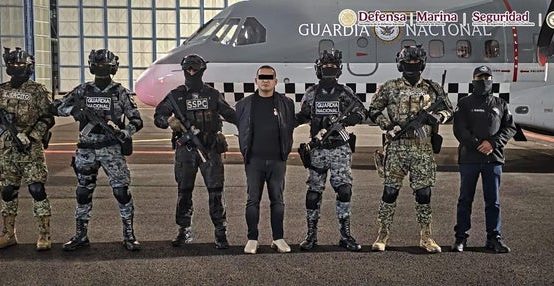 Capture of Alleged Cartel Leader Ivan Cazarin Molina
 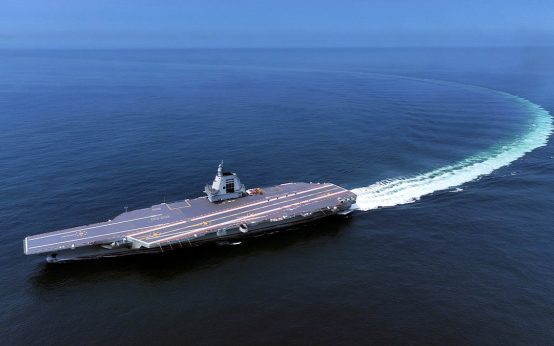 China’s Economic and Naval Challenges in the Coming Decade
 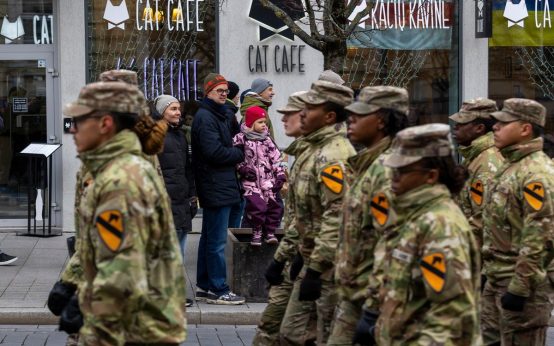 Russia Criticizes U.S. Military Base Proposal in Lithuania