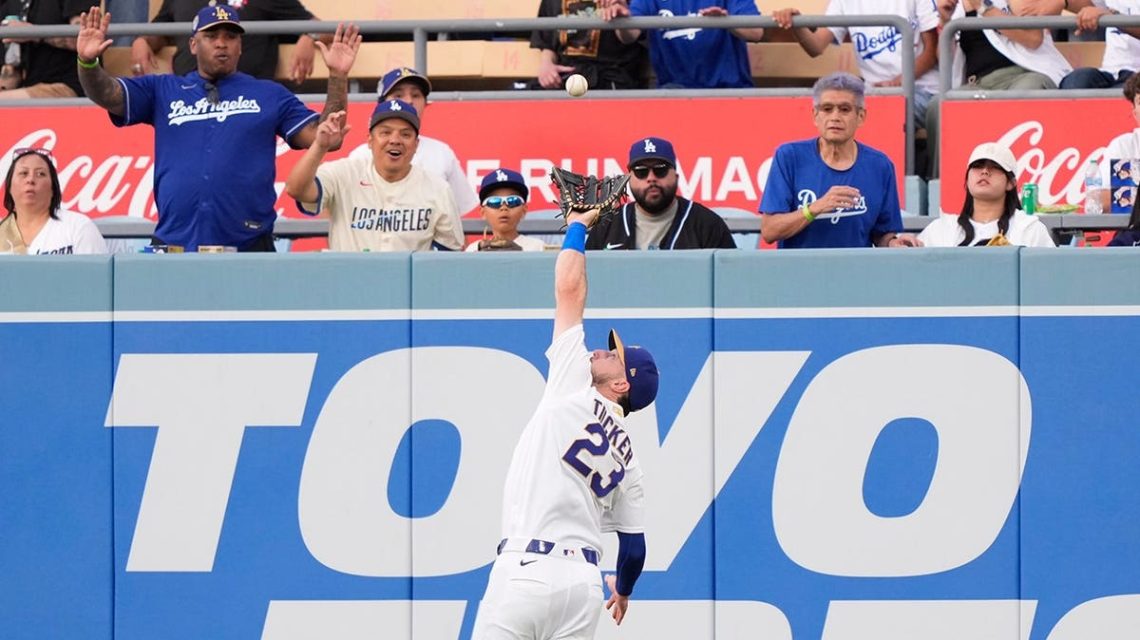
The Los Angeles Dodgers have been labeled as baseball’s ‘evil empire’ in recent years. They started this trend with the signing of Shohei Ohtani in late 2023. Their aggressive approach to acquiring top talent continued when they added Yoshinobu Yamamoto, Teoscar Hernandez, and Tyler Glasnow, leading them to win the 2024 World Series against the New York Yankees.
In subsequent seasons, the Dodgers further strengthened their roster. They secured Tanner Scott and Blake Snell, while Roki Sasaki chose LA over other teams. Tommy Edman and Teoscar Hernandez returned to the team, helping them clinch another World Series title. Fans on social media platforms, especially on X, were astounded when the Dodgers acquired Kyle Tucker and Edwin Díaz during the 2025-2026 offseason. The common sentiment was that with such talent, Los Angeles was unstoppable except for the looming salary cap.
“MLB’S SALARY CAP PROPOSAL WON’T FIX THE LEAGUE’S NON-EXISTENT COMPETITIVE BALANCE PROBLEMS”
Fast forward to August 2026, Tucker and Díaz struggled, the latter having an ERA around 12. The Dodgers endured a 2-11 run against the Red Sox, Chicago Cubs, and Milwaukee Brewers, with the Brewers, having a lower payroll, holding the best record in baseball.
Despite LA’s financial advantages, their reputation as a villain has grown among fans who disapprove of teams sacrificing profits for player signings. This view was amplified when owner Mark Walter faced a federal investigation regarding loans linked to his insurance companies. Allegedly, these companies used investor funds for private-credit deals, raising concerns about investor disclosures.
Reports suggest the investigation could involve up to $20 billion, significant even for Walter. This issue also prompted speculation around his potential sale of the Los Angeles Lakers for $12.5 billion. Some have incorrectly linked Walter’s investigation to the Dodgers’ payroll as fraudulent, especially regarding Shohei Ohtani’s deferred contract.
Major League Baseball has used deferred contracts for decades, with numerous players across teams having significant deferrals. Examples include Rafael Devers, Jose Ramirez, and Corbin Burnes, showcasing this strategy’s prevalence. Deferred contracts must be accounted for in the present, stored in specific accounts, preventing teams from pushing payments indefinitely.
Ohtani’s contract became controversial when he offered deferred payments, a term accepted by other teams, not just the Dodgers. Opposition on social media arises from misunderstandings regarding deferred contracts, often misrepresented as fraudulent.
Critics have also targeted the Dodgers’ partial ownership of the Spectrum SportsNet LA channel, paralleling the New York Yankees’ involvement with the YES Network. Modern sports financing frequently involves team ownership in media ventures. The alleged financial irregularities linked to Walter don’t implicate the Dodgers’ financial practices.
Some fans inaccurately portray the Dodgers as fraudulent, ignoring reports of over $1 billion in revenue. Though their television deal, reportedly averaging $325 million annually, is seen as advantageous, other revenue streams contribute significantly. The Dodgers benefit from revenue sharing rules related to their previous bankruptcy, keeping $55 to $60 million annually.
This advantage does not make other teams bankrupt; disregarding larger payroll disparities, the Dodgers maintain a reputation for aggressive spending paired with strategic management. While other teams like the Mets spend equally, their poor performance attracts less attention.
The Dodgers’ success isn’t rooted in wrongdoing. Their deferred contracts are legitimate, and Walter’s financial investigations unrelated to team finances. Media narratives and fan outrage often ignore facts, preferring sensationalist views. Reality, however, doesn’t align with these misconceptions.
Ian Miller is a writer at OutKick.
 Jesse Marsch’s Controversial Views as Canada’s Coach
  Indiana Fever’s Season Ends in Defeat to Las Vegas Aces Amid Media Controversy
  White Sox Return to Postseason with High Hopes and Drama
 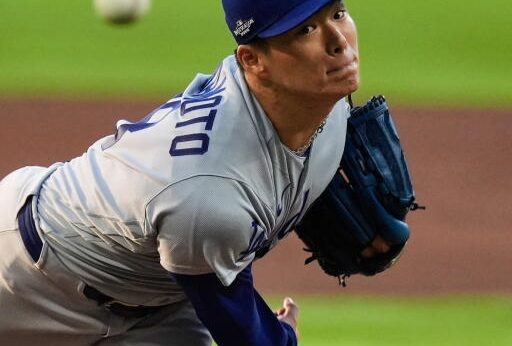 Dodgers vs. Braves: NLDS Game 3 Updates
 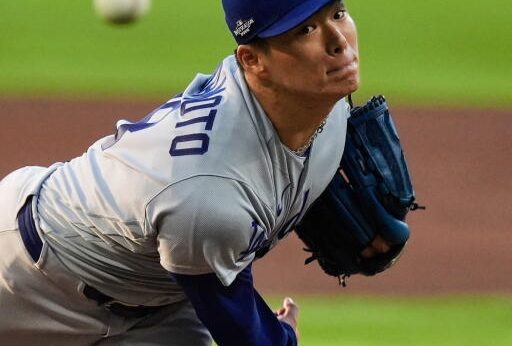 Dodgers vs. Braves NLDS Game 3 Live Updates
 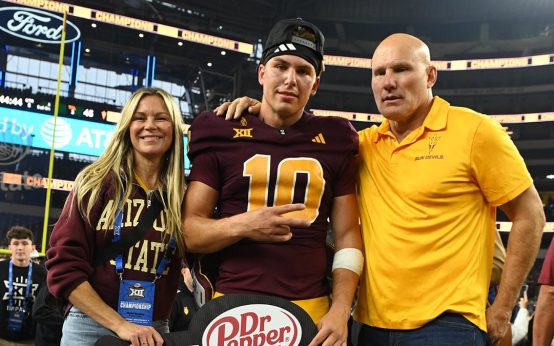 Shifting Fortunes: College Football’s Rising and Falling Stars