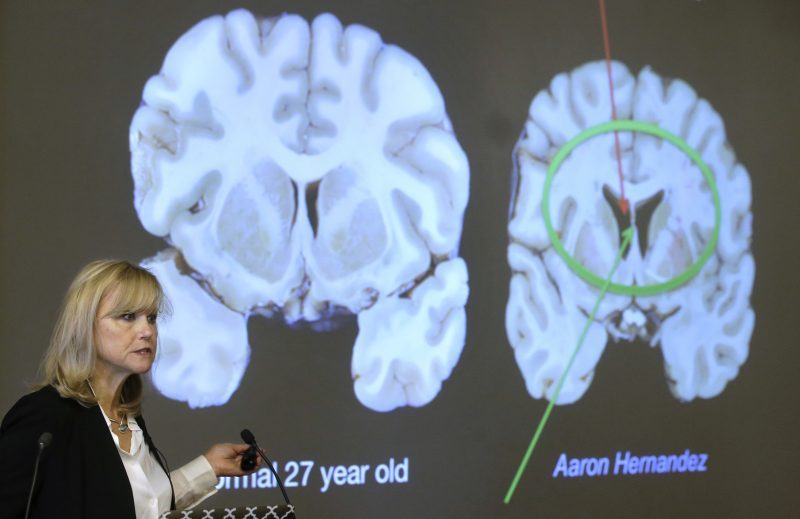
A recent study led by researchers from Massachusetts has revealed significant findings regarding chronic traumatic encephalopathy (CTE) among NFL players. CTE is a degenerative brain disease diagnosed posthumously. Published in The BMJ, the study analyzed the deaths of over 1,700 NFL players between 2008 and 2021. Researchers examined 338 brains and diagnosed CTE in 315 cases.
In the last six years, when brain donations increased, 235 NFL players donated their brains. Over 210 of these donors were diagnosed with CTE. The study highlighted that donors previously diagnosed with dementia often showed severe CTE, with 94 having Stage 4, the most severe form.
Understanding CTE
CTE affects brain function. It relates to abnormal protein build-up that damages brain tissue, leading to cell death, as noted by the CDC. Repeated head impacts often cause CTE, making it prevalent among football players. Boston University CTE Center extends this association to boxers, soccer and hockey players, military personnel, and first responders.
Athletes who played sports only in high school or college can also be diagnosed with CTE. Symptoms manifest years later and can persist for long periods. While symptoms include cognitive and emotional issues, their presence alone doesn’t confirm CTE, the CDC advises seeking medical advice for concerns.
Ongoing research at Boston University aims to improve early diagnosis and understand CTE’s development and risk factors.
Case Studies of CTE in NFL Players
Numerous NFL players have been diagnosed with CTE posthumously. A 2023 report from Boston University documented 345 CTE cases out of 376 studied former NFL players. Examples include Marshawn Kneeland, diagnosed with Stage 1 CTE, Aaron Hernandez with Stage 3, and Frank Wycheck with Stage 3. Demaryius Thomas had Stage 2 CTE and Irv Cross had Stage 4.
Several players, like Phillip Adams and Shane Tamura, linked their violent actions to CTE, highlighting the disease’s severe impact. Tamura, despite not playing in the NFL, referenced his football-related condition in a note found after his death.
The Associated Press contributed to this report.
 Stephen A. Smith Discusses Houston Texans’ Critical Matchup Against Dallas Cowboys
 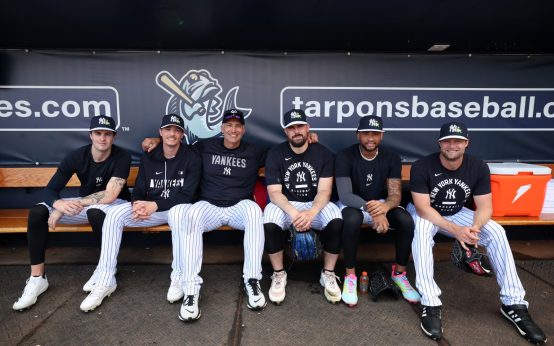 CC Sabathia Anticipates Yankees’ Game 1 Pitcher for ALDS After Beating Red Sox
 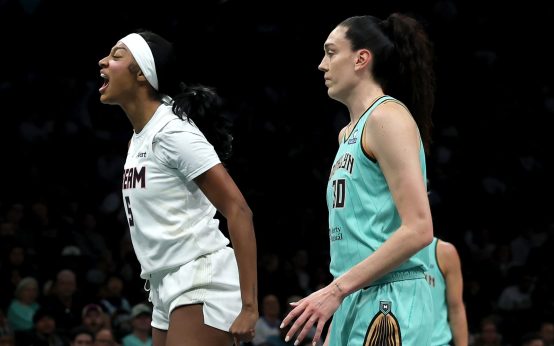 Atlanta Dream Progress to WNBA Semifinals
 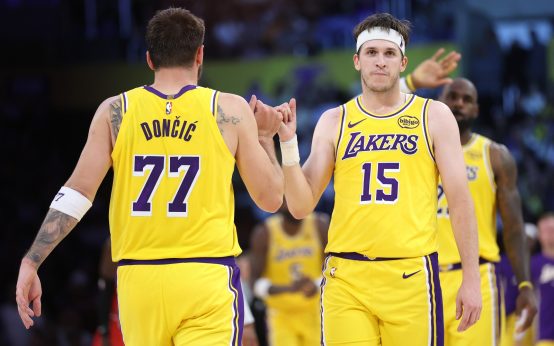 Los Angeles Lakers Focus on Defense in Luka Doncic Era
  Los Angeles Chargers Face Criticism Amid Team’s Poor Start
  White Sox’s Pope Hat Promotion Shines Amid Playoff Push