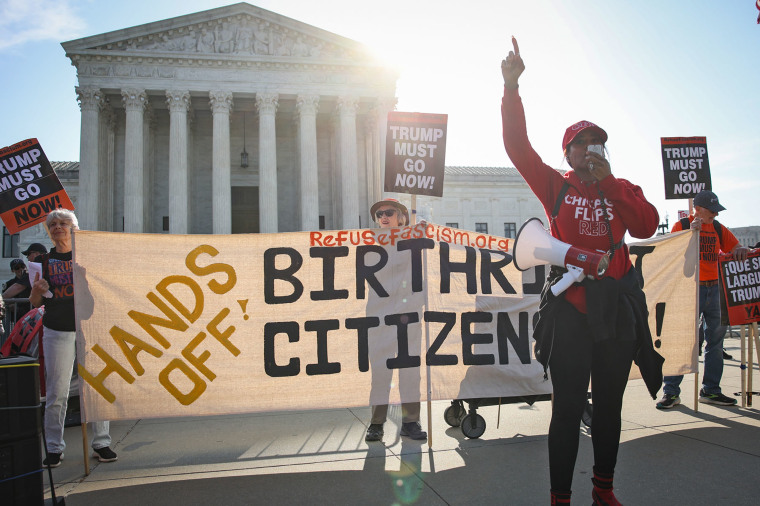
Supreme Court Blocks Presidential Initiative
The United States Supreme Court intervened to block former President Donald Trump’s attempt to alter birthright citizenship rules. Trump’s executive order aimed to restrict automatic citizenship for those born on U.S. soil. However, the court deemed this action unlawful.
Constitutional Concerns
In a 6-3 decision, the justices ruled that Trump’s proposal violated the Constitution’s 14th Amendment. This amendment has consistently been interpreted to grant citizenship to nearly anyone born in the United States. Chief Justice John Roberts emphasized the lack of substantial evidence supporting Trump’s initiative, underscoring the historical understanding of citizenship rights.
Among the six justices, Brett Kavanaugh diverged slightly, acknowledging a violation of federal law but not the Constitution itself.
Recent Legal Setbacks for Trump
This ruling marks a third major setback for Trump in recent months. Prior cases include a rejection of his tariffs and a prohibition on the immediate dismissal of Lisa Cook from the Federal Reserve. Despite a conservative-leaning court, including three Trump-appointed justices, these cases have not favored his administration.
Historical Context and Dissent
Justice Clarence Thomas expressed dissent, claiming the 14th Amendment primarily addressed citizenship for formerly enslaved individuals. He argued this did not extend to children of foreign visitors. Nevertheless, the court’s majority viewpoint reiterates the amendment’s broad application.
The 14th Amendment established post-Civil War aims to secure rights for all, including former slaves.
Under Trump’s order, citizenship would require at least one parent to be a U.S. citizen or permanent resident, excluding children of temporary visitors or undocumented immigrants.
Legal and Community Responses
This executive order never came into effect, swiftly blocked by lower courts following Trump’s signature. Civil rights organizations, including the American Civil Liberties Union, successfully challenged the order. Cecillia Wang, ACLU’s National Legal Director, highlighted the court’s reinforcement of the constitutional promise of citizenship for those born in the U.S.
Historically, the Supreme Court has upheld birthright citizenship. A notable precedent includes the 1898 United States v. Wong Kim Ark ruling, affirming citizenship for children born to foreign nationals in the U.S.
Continued Legal Challenges
Trump’s order faced opposition in courts across the nation, with liberal states and advocacy groups contesting the changes. The ongoing litigation culminated in the Supreme Court’s December agreement to review a related case from New Hampshire.
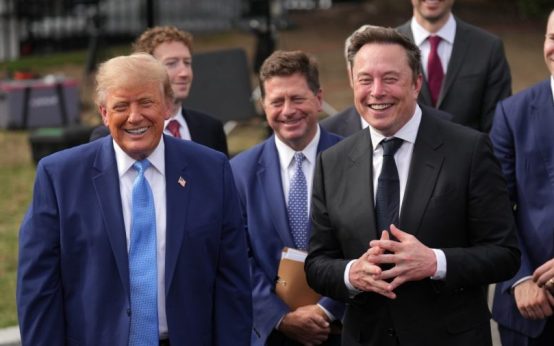 Trump’s 2024 Reelection and Evolving Voter Dynamics
  Defense Secretary Emerges as Key Player in the Trump Administration
  Hegseth’s Vision for the Military: Balancing Tradition and Innovation
 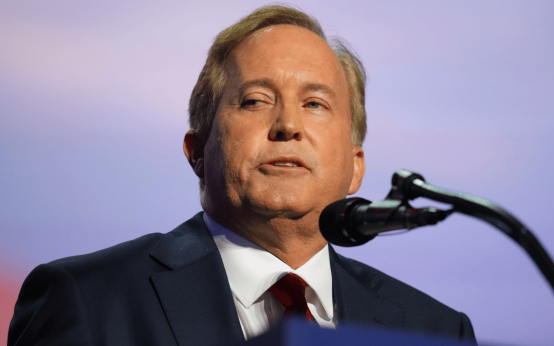 Significant Funding Boosts Ken Paxton’s Texas Senate Campaign Amid Tight Race
  U.S. States Extend Gas Tax Waivers Amid Rising Fuel Costs Due to Iran Conflict
  USCIS Raises Immigration Fees