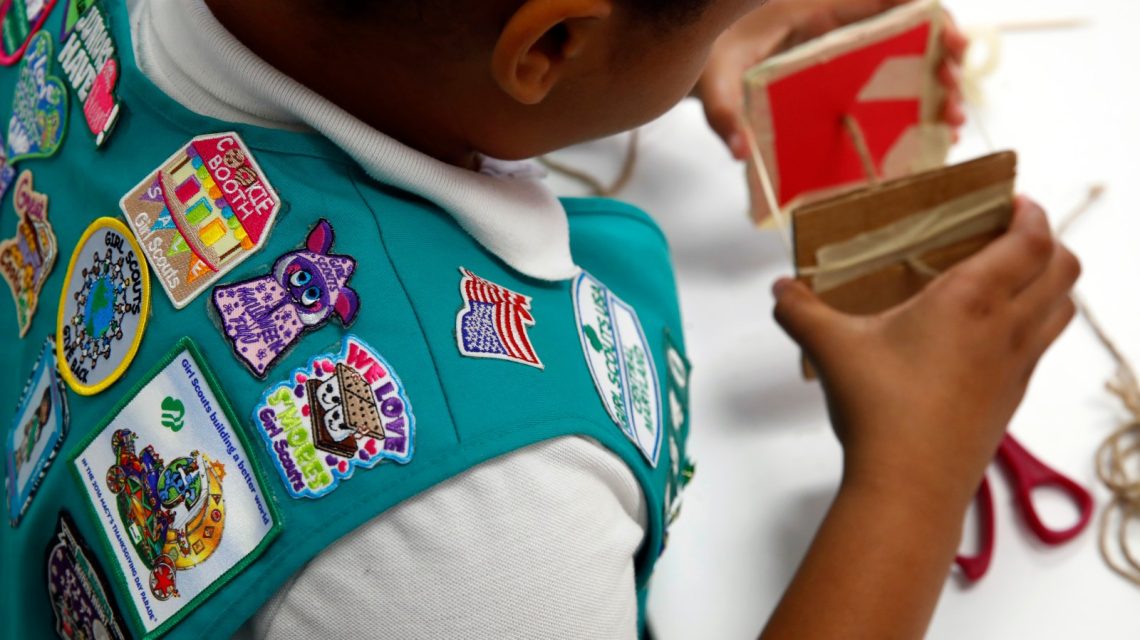
The Girl Scouts of the USA faced criticism recently following social media posts about Islamic faith-based badge programs, prompting controversy online. Posts by White House correspondent and War Room co-host, Natalie Winters, claimed the Girl Scouts offered badges focused on Islamic practices. She asserted that these badges included activities like learning the pillars of Islam and visiting mosques.
Winters mentioned that these programs operate in various locations, such as Sacramento, Naperville, Long Island, Virginia, Maryland, Brooklyn, and San Diego. She claimed they integrate aspects of Islamic education, such as prayer, hijab protocols, Ramadan, and mosque outreach into Girl Scouting activities. In response, the Girl Scouts stated that these badges are connected to religious recognition awards offered by outside organizations and have existed for several years.
There’s misinformation circulating online today about Girl Scouts and religion. Here are the facts: Girl Scouts is not a religious organization and does not teach religion. For more than a century, we’ve welcomed girls of every faith and background. Our national My Promise, My Faith pin invites girls to connect the Girl Scout Law with their own faith. Any other faith-based patches are developed by independent faith organizations, not Girl Scouts of the USA. Girl Scouts is proudly for every girl.
Despite this statement, Winters maintained her assertions, accusing the Girl Scouts of defending Islam’s integration into its programs. She criticized what she labeled as the organization’s stance amid treatment of women by some Islamic regimes.
Robert S. McCaw from the Council on American-Islamic Relations (CAIR) commented on the situation in an emailed statement to Newsweek. He criticized those who incite outrage over Muslim participation in scouting, suggesting such actions stem from a desire to advance ideological agendas and promote anti-Muslim sentiment.
Badges Under Scrutiny
The debate focused on the ‘Girl Scouts of the Islamic Faith’ recognition awards and faith-related patches. These programs offer badges and medals related to Ramadan, Hajj, and other aspects of Islamic culture. Some requirements involve learning about Islamic pillars, visiting mosques, or understanding Muslim prayer practices.
Girl Scouts’ Response
The Girl Scouts clarified that the organization itself does not create or manage these religious recognition programs. They emphasized that the awards mentioned in social media posts arise from independent faith organizations, while GSUSA merely acknowledges members’ decisions to participate. The organization highlighted its commitment to accommodating girls from diverse religious backgrounds with voluntary faith-based recognitions available for various religions.
Ongoing Debate
The issue reflects a continuing discussion in scouting about the role of faith-based programming. For years, religious awards have been available, encouraging scouts from different faiths to explore beliefs within scouting. McCaw welcomed the Girl Scouts’ inclusive approach, remarking that their recognition of diverse faiths is not a special focus on Muslims but part of a broader framework.
Supporters of these programs argue they help girls connect scouting experiences to their faith communities. Critics, however, contend that certain activities might blur the lines between cultural education and religious teaching. This latest dispute has heightened concerns on social media.
 Marine Veteran Suing Oregon School District Over Curriculum Reimbursement
  Tennessee Execution Halted as Issues Persist with Lethal Injection Protocol
  Judge Dismisses Case Against Former Olympian Over Lincoln Memorial Incident
  Minnesota Family Files Civil Rights Lawsuit Over ICE Agent Shooting
  California Bans Child Marriage, Protecting Minors
  U.S. States Extend Gas Tax Waivers Amid Rising Fuel Costs Due to Iran Conflict