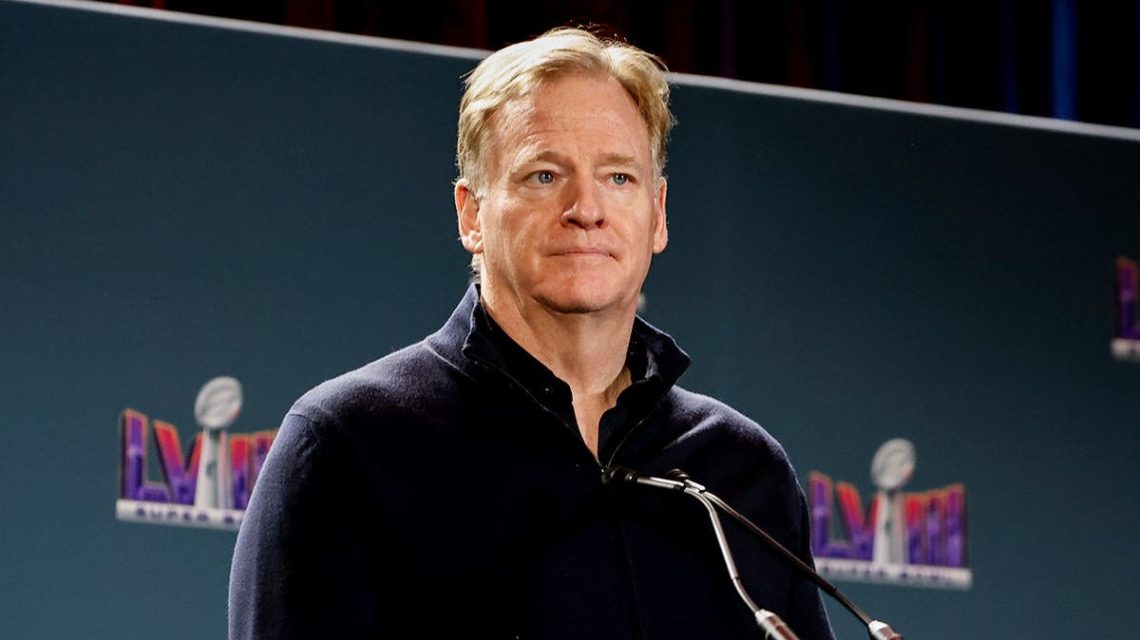
The NFL has clarified its stance on players returning to college sports. In a memo sent to teams on Wednesday, the league reiterated that players moving back to college after a stint in professional football cannot sign with an NFL team in the same season.
This reminder comes as several athletes explore returning to collegiate athletics, a situation causing significant discussion within the NCAA. Among these athletes is tight end Dae’Quan Wright, who was released by the Cleveland Browns and is now looking to join LSU. He would reconnect with former Ole Miss coach Lane Kiffin there.
The league’s memo, obtained by ESPN, specified that any player who has signed an NFL contract and is released becomes a free agent. These players can join another NFL team or the CFL but are ineligible for college play for the current season. Further, players going back to college for the 2026 season are still considered free agents and cannot enter future NFL Drafts.
An example of this scenario is Zxavian Harris, recently cut by the New Orleans Saints, and also looking to play under Kiffin at LSU. Both Harris and Wright were teammates during Ole Miss’ run in the College Football Playoff last year and are granted an extra year of college eligibility through a temporary restraining order.
Hours after Wright went through waivers, new eligibility guidelines from the SEC and Big Ten were announced. Soon the ACC and Big 12 will join, imposing rules that disallow college play for anyone previously engaged with professional teams. The stipulations affect athletes signing with a pro team, declaring for the NFL Draft, or attending professional training camps.
Attorney Ryan Downton represents athletes challenging the new rules. On Tuesday night, he informed OutKick’s Trey Wallace that legal tactics are being considered against the NCAA and involved conferences. Downton argued that the SEC’s actions flout multiple court orders and constitute anti-competitive behavior as conferences create immediate rules against court injunctions on NCAA policies.
 Nick Saban’s Comments on ESPN Spark Debate Over College Sports Regulations
  Freddy’s American Adventure: From Soccer to College Football
 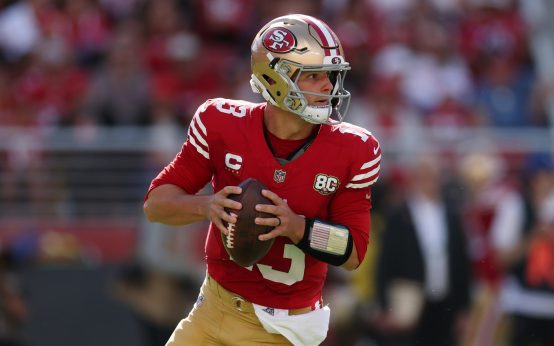 Brock Purdy’s Impressive Start in the 2026 NFL Season
  The Value of Retaining Miles McBride for the Knicks
  Penguins Make History with Dominant Season Opener
  Sonny Gray Expresses Frustration After Game Against Yankees