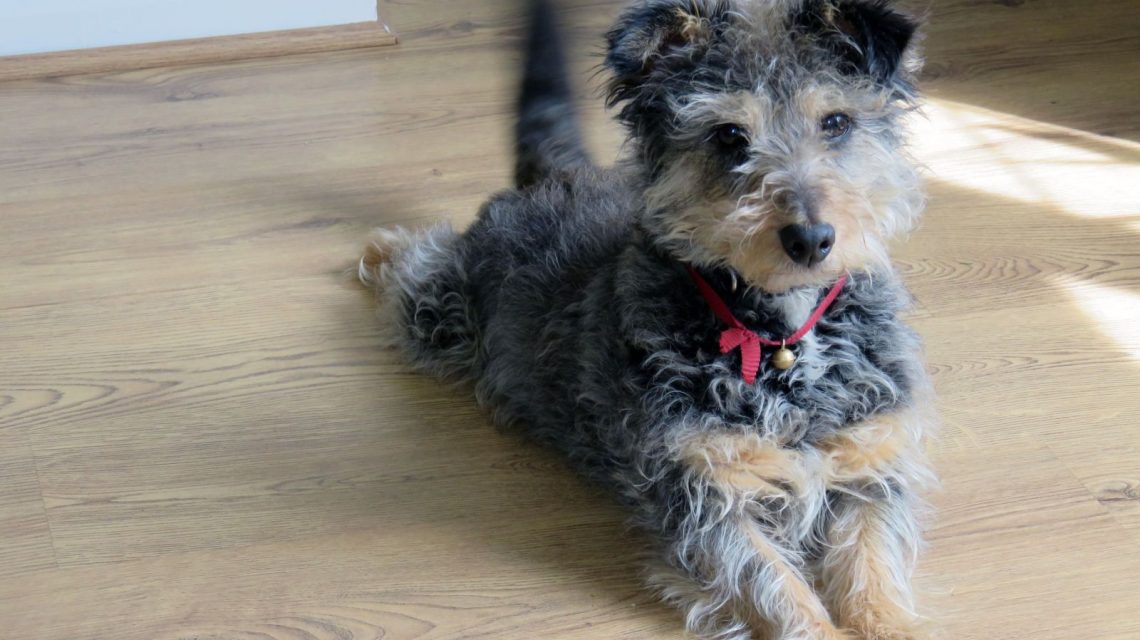
The Misleading Wagging Tail
A dog approaching with a wagging tail might seem like an invitation to pet them, but this isn’t always the case. While a wagging tail often indicates happiness, it can also signal discomfort. Tail movement can represent fear, anxiety, or agitation, which may lead to uncomfortable situations if misunderstood.
Understanding Tail Wagging
Dogs express emotions through multiple behaviors, not just tail wagging. Observing their body language as a whole—posture, ears, facial expressions, and environmental context—is crucial. Mike Gould, co-founder of Hounds Town USA, suggests “reading your dog” by considering these aspects before approaching.
Reasons Behind Tail Movement
Tail wagging occurs for various reasons. A dog may wag its tail due to happiness, but it can also represent fear, anxiety, overstimulation, or defensiveness. A wag may indicate that the dog is “activated” by environmental factors like an animal, unfamiliar people, or sudden sounds.
Decoding Tail Wag Types
Tail wag variations offer different cues. A broad, loose wag suggests comfort and social ease. A low or tucked tail signals fear. A high, tight, fast-moving tail can denote excitement or agitation, while a raised, stiff tail may indicate alertness.
Observing Entire Body Language
Beyond the tail, assess the dog’s overall body language. Notice if its body appears relaxed or tense. Changes in the face, ears, mouth, and hackles can also provide insights. For instance, a sudden closing of its mouth might indicate increased attention or concern.
Misinterpreting the Wagging Tail
Mistakes often occur during greetings when people equate wagging with welcoming interaction. Breed stereotypes complicate these assumptions, with behaviors perceived differently across breeds. Focus on individual dogs and their specific signals rather than relying on breed expectations.
Responding to Unease
If a dog’s wagging tail does not coincide with relaxed body language, step back and give space. Human body language impacts dogs; lowering your gaze and staying at their level can ease intimidation. Permit the dog to approach voluntarily for reassurance.
In contrast, pursuing a fearful dog or approaching a defensive one may cause increased anxiety. Softening your approach allows the dog to choose its proximity, which can help reduce stress.
The Importance of Understanding Dog Communication
No single tail movement reveals how a dog feels. Through observation, owners can decipher what is typical for their dog and recognize when shifts occur. Dogs consistently express themselves, and learning their language fosters better comprehension.
“Dogs are always telling us something about themselves.” — Mike Gould
 Prepare for Rainy Fall Weather with Discounted Rain Jackets
  Review: Stokke Nighti 3-in-1 Convertible Cot Bed
  Embrace Failure: Turning Setbacks into Success
  Unusual In-Flight Behavior Leaves Passengers Stunned
  Choosing the Perfect Ugg Boots for Comfort and Style
  Understanding Food Safety: Tips for Preserving Groceries