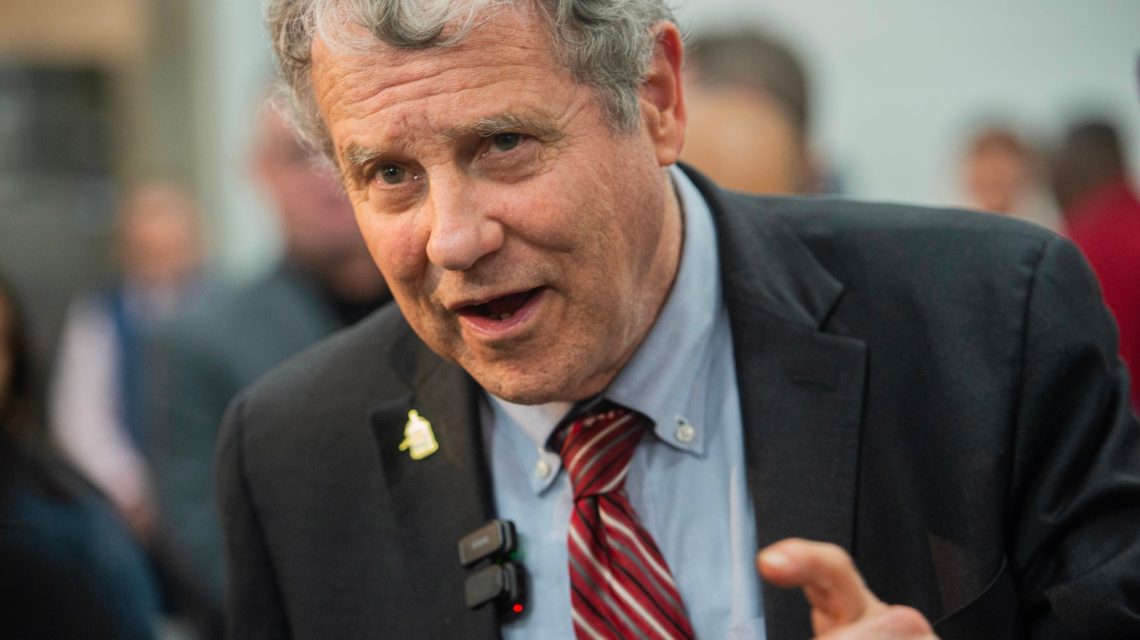
Democrat Sherrod Brown’s narrow lead in polling for Ohio’s U.S. Senate race challenges the state’s recent trend toward the right. As Democrats work to reverse this conservative shift, Ohio’s significance as a battleground becomes more pronounced.
In the early 2000s, Ohio was a key swing state. Former President Barack Obama won Ohio in both 2008 and 2012. However, Ohio has leaned more conservative in recent years, backing President Donald Trump by 11 points in 2024. Brown, first elected to the Senate in 2006, lost his reelection bid in 2024 to Republican Bernie Moreno, despite previous comfortable victories.
Now, Brown aims for a comeback, targeting the seat currently held by Republican Senator Jon Husted. Appointed following Vice President JD Vance’s tenure, Husted’s seat is a focus for one of the most contentious Senate contests. Polls and fundraising give Democrats optimism, while Trump’s declining approval rating could pose problems for Republicans in tight races.
Democratic Hopes and Polls
Democrats count on Brown’s populist message to turn the tide. According to Robert Alexander, a political science professor at Bowling Green State University, Ohio tends to be more populist than strictly partisan. Brown’s populism historically appeals to union households, rural voters, and independents. Recent backlash against data centers aligns with widespread economic concerns, influencing voter opinion.
Polling shows a tight race. As of Tuesday, Brown held a 3.1-point advantage in RealClearPolitics’ average. A lead like this suggests a significant shift from Ohio’s 2024 presidential vote. A New York Times/Siena University poll shows Brown with 49% support, slightly ahead of Husted’s 46%, based on a survey of 616 likely voters.
Financials and Trends in Ohio
Brown has amassed substantial campaign funds, totaling over $14 million in the second quarter. Husted reported raising $7.7 million. Despite changes, Ohio’s political landscape continues trending conservative. Trump’s stronghold among white working-class voters reshaped the state’s dynamics.
“Rural Ohioans have always voted for Republicans, but their margins of victory have exploded under Trump,” remarked David Niven from the University of Cincinnati.
To win, Brown needs a new coalition, transitioning from an industrial base to suburban support, especially in areas like Delaware County.
Data Centers and Electoral Impacts
The issue of AI data centers is pivotal in this Senate race. Brown challenges Husted’s past enthusiasm for data center development. Though Husted proposed regulations via the Ratepayer Protection Act, it failed to pass, leaving room for critique.
Brown’s skepticism towards data centers taps into broader voter concerns. He campaigns against big corporations and their influence on utility costs, using this as a political advantage.
“I’m running to take on the big corporations raising our utility bills,” Brown stated on social media, highlighting his stance.
Implications for the 2026 Midterms
The Ohio race is vital, potentially influencing the Senate’s balance. With Republicans holding a 53-47 advantage, Democrats need to capture four seats to gain control, making Ohio crucial.
A Brown victory in Ohio would ease the Democratic path toward a Senate majority. Conversely, a Husted win would necessitate success in other contentious states.
Ohio’s Senate contest remains one of the most closely watched battles of the 2026 midterms, as both parties consider it pivotal for control of the Senate.
 Sullivan Faces Challenging Re-election Campaign
  The Challenges Facing Senator Susan Collins and Political Funding Dynamics
  Controversy Over Trump Admin Ads and Taxpayer Funding
  Senator Thom Tillis Discusses GOP’s Prospects in Upcoming Elections
  Growing Support for Government-Run Health Insurance in the United States
  Ohio Voters Concerned About Data Centers