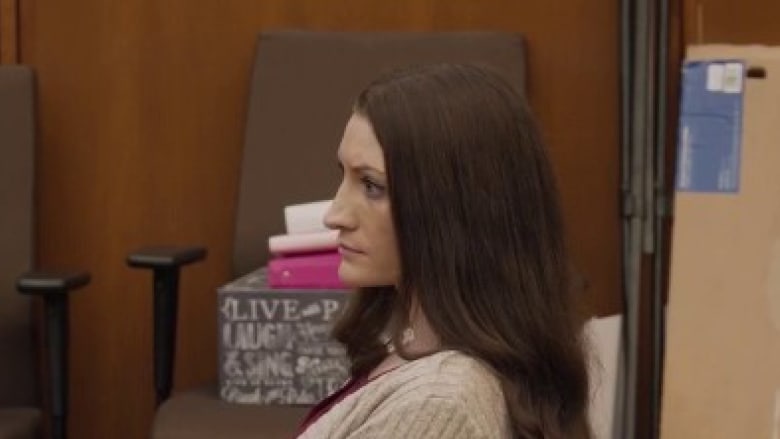
Closing Arguments Begin Today
The murder trial of Lindsay Clancy, accused of killing her three young children, is set to enter its final phase with closing arguments today. Clancy has been charged with first-degree murder for the deaths of her children, Cora, Dawson, and Callan, which occurred in January 2023. After the killings, she attempted to take her own life. The trial has spotlighted her mental health, particularly claims of postpartum psychosis.
Defense and Prosecution Perspectives
Clancy’s defense team argues that she was experiencing postpartum psychosis, allegedly hearing a hallucinated voice that compelled her actions. In contrast, the prosecution’s final witness, forensic psychologist Dr. Gregory Saathoff, testified that Clancy understood right from wrong at the time.
After closing arguments, the jury will deliberate over the charges of first-degree murder, described as involving “deliberate premeditation and extreme atrocity.” They may also consider lesser manslaughter charges.
Trial’s Impact on Society
This five-week trial has permeated podcasts, social media, and discussions beyond Massachusetts courts. Clancy, 36, has become a focus for debates on maternal healthcare inadequacies. Her case brings attention to the issues surrounding postpartum mental health disorders.
Postpartum Psychosis: Real Experiences
“Everything felt so real,”said three mothers who shared experiences of postpartum psychosis during the Clancy trial. Ayana Lage, 33, recounted her 2020 experience, emphasizing that psychosis can affect anyone, regardless of status or age. Their stories highlight the unpredictable nature of the condition and its impact on individuals.Testimony and Jury Instructions
Witness testimony concluded recently, setting the stage for jury deliberations. Superior Court Judge William Sullivan and both legal parties finalized jury instructions. There was agreement on instructions for charges of “deliberate premeditation and extreme atrocity or cruelty,” but debate arose over including involuntary manslaughter as a lesser option. The defense argued for inclusion, while prosecutors objected.
Time Frame for Closing Arguments
Judge Sullivan inquired about the length of closing arguments. Defense attorney Reddington estimated about 30 minutes, while prosecutors expected roughly an hour. These closing statements will enable each side to present their final arguments to jurors who are tasked with reaching a verdict in the coming days.
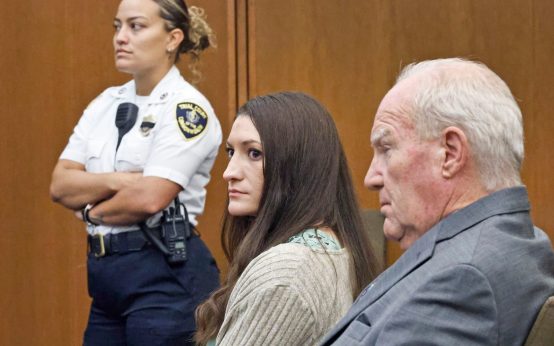 Lindsay Clancy Faces Potential Retrial After Mistrial
  Tennessee Prepares for Rare Execution of Woman on Death Row
  Mistrial in Lindsay Clancy Case: Juror Speaks Out
  Utah Judge Orders Release of Man on Death Row After DNA Evidence Emerges
  Kurt Olsen Resigns from the Justice Department Amid Investigation
  New Developments in Cornell University Fraternity House Assault Case