
The Trump administration has moved from military to economic strategies in dealing with Iran. Initially labeled as Operation Epic Fury, the initiative reached a ceasefire within 38 days. President Trump aimed to conclude the conflict through military and diplomatic means, but Iran’s resistance led to the adoption of economic measures.
Now, the administration is employing sanctions and a naval blockade in the Strait of Hormuz. Trump has promised an ‘Economic D-Day,’ seeking economic isolation for Iran. Treasury Secretary Scott Bessent seeks to rally both allies and rivals for this effort. ‘This is going to be the greatest coordinated economic isolation in the history of the world,’ Bessent stated, urging support from various nations.
Iranian officials have dismissed these threats. Foreign Minister Abbas Araghchi called it a distraction, predicting it would backfire. China’s response has been straightforward; sanctions won’t solve the issue. Their foreign ministry emphasizes diplomatic solutions. Despite attempts at negotiation with Iranian figures, the U.S. struggles to identify real decision-makers within Iran.
Amid the ongoing tension, questions arise about the underlying aim of U.S. actions. A regime change appears to be the ultimate goal of Operations Epic Fury and Roaring Lion, as suggested by Trump and Israeli Prime Minister Benjamin Netanyahu. However, initial strategies did not incite the desired uprising among Iranian citizens.
Upon abandoning military approaches, the U.S. sought diplomacy but faced disunity within Iran’s negotiation team. A 14-point memorandum and a temporary ceasefire did not last due to Iran’s unwillingness to relinquish control over strategic resources.
The Trump administration’s next move involved setting difficult economic conditions, mirroring the situation in January 2026. This was when an economic crisis triggered widespread protests across Iran, starting from the Grand Bazaar in Tehran. Economic hardships like currency collapse led to demonstrations, which were severely suppressed by Iranian security forces.
Operation Economic Outcast marks the latest approach, aimed at replicating dire economic conditions in Iran. The Iranian rial continues to fall, raising questions about potential uprisings and their outcomes.
Despite the harsh tactics, Trump’s hesitation in nation-building reflects lessons from Iraq and Afghanistan. His preference lies in reaching deals rather than dismantling regimes. The reliance on national power instruments highlights a need for cohesive strategies. Whether the U.S. has integrated these lessons remains to be seen.
Col. (Ret.) Jonathan Sweet served as a military intelligence officer, and Mark Toth writes on security and foreign policy. Together, they founded INTREP360 and contribute to its reports on current events.
 Defense Secretary Emerges as Key Player in the Trump Administration
 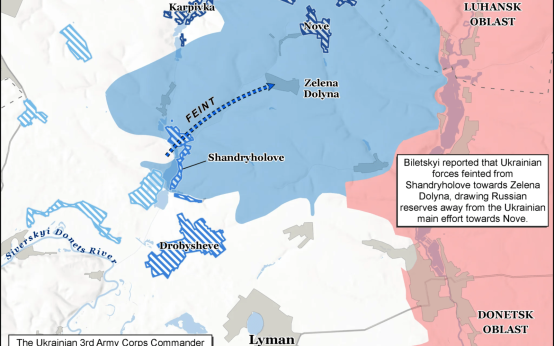 Ukraine Converts APCs to Explosive Devices in Donetsk Offensive
 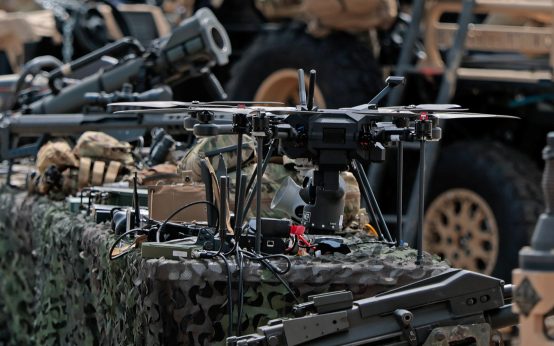 Hegseth’s Vision for the Military: Balancing Tradition and Innovation
 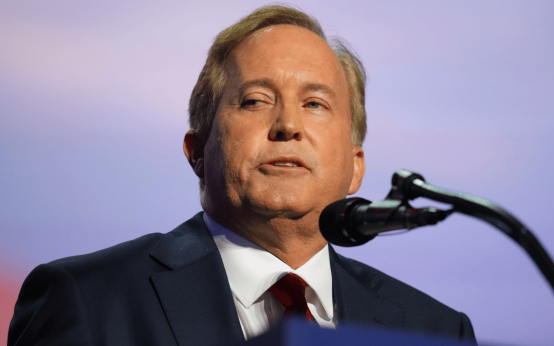 Significant Funding Boosts Ken Paxton’s Texas Senate Campaign Amid Tight Race
 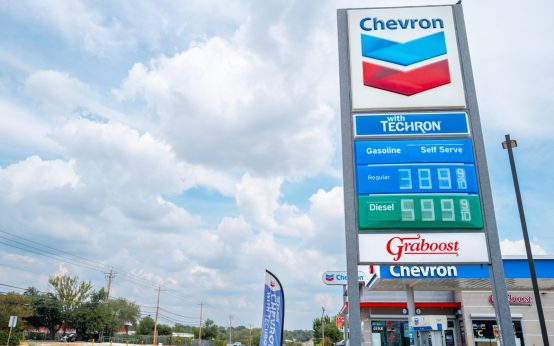 U.S. States Extend Gas Tax Waivers Amid Rising Fuel Costs Due to Iran Conflict
  USCIS Raises Immigration Fees