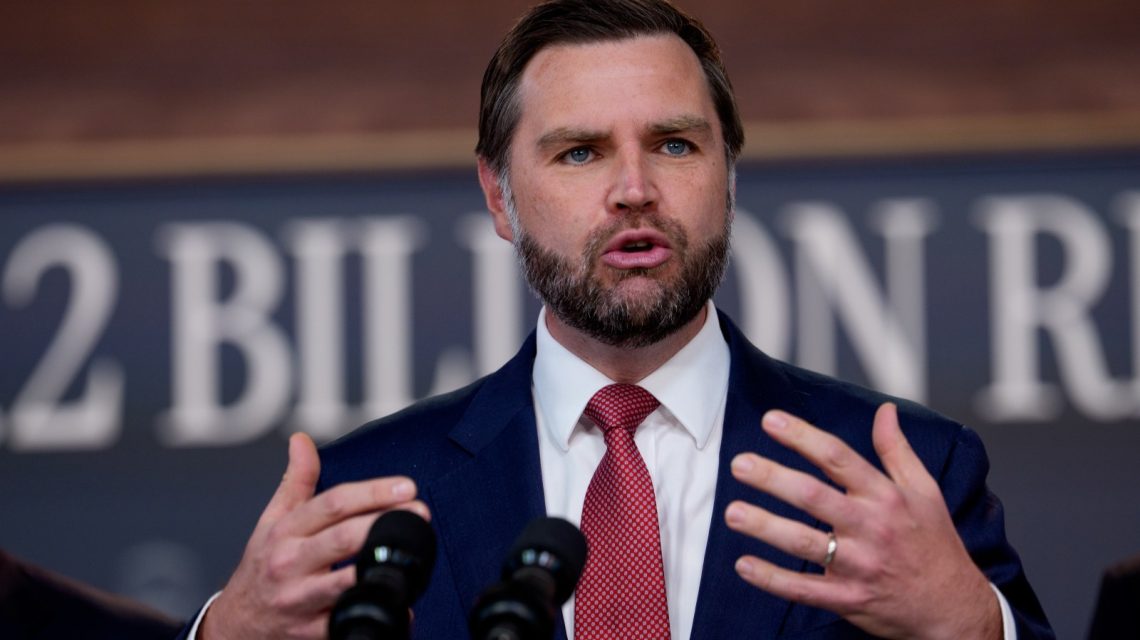
The Trump administration is actively working to ensure American workers are not replaced by foreign employees through the H-1B visa program. Vice President JD Vance has highlighted ongoing efforts to prevent the misuse of H-1B visas by companies looking to cut costs at the expense of U.S. workers. This initiative forms part of a broader push to tighten restrictions on employment-based immigration.
Vance, designated as the administration’s “fraud czar,” revealed that officials are inspecting employers’ layoff records. The goal is to stop companies from laying off American workers while hiring foreign labor under the H-1B visa program. “We’re looking at various ways of preventing companies that use H-1B visas from laying off a bunch of American workers,” Vance stated during an appearance on the “All-In Podcast.” He emphasized the contradiction between companies claiming a need for workers while having a history of extensive layoffs.
The Trump administration has implemented several changes to the H-1B visa program to enhance control over the immigration system. These changes include:
- Adjusting the H-1B selection system to favor higher-paid positions
- Expanding biometric and security fees for certain H-1B extension filings
- Proposing to remove the rule allowing foreign workers to stay in the U.S. for up to 60 days after losing employment
President Donald Trump signed an executive order on September 18, increasing scrutiny of H-1B petitions to prevent U.S. worker displacement. The order directs the Departments of State, Labor, and Homeland Security to consider recent or planned layoffs when reviewing H-1B applications.
Federal actions against several employers have been taken as part of this increased scrutiny. The Labor Department’s inspector general suspended Cognizant’s ability to file new applications in the PERM program while investigating alleged fraud. Similarly, Cloudera faced a suspension of H-1B processing.
A proposal from the Department of Homeland Security includes a $103,265 charge on cap-subject H-1B petitions, additional to existing fees. This charge is part of a broader strategy assumed to continue at a filing rate of about 85,000 petitions annually, as many employers can handle the cost.
The charges are separate from a previous $100,000 payment requirement under a Trump proclamation. Although ruled unlawful by a federal-district court in June, Trump extended the requirement until September 21, 2027, pending appeal.
The administration argues these measures are intended to fulfill the H-1B program’s purpose: supplementing the workforce with highly skilled foreign talent without displacing American workers. White House spokesperson Lauren Bis noted, “This fee was about putting the American worker first and protecting them from being replaced by cheap foreign labor.” Adam Klein, a former DHS official, warned about possible unintended consequences, suggesting stricter rules might drive businesses to relocate talent and operations outside the U.S.
Vance acknowledged legal limitations of the administration without Congressional action. Congress remains divided, with various positions on H-1B reform, ranging from eligibility tightening to complete visa restriction.
Vance stressed, “The H-1B should not exist to replace American workers with low-wage foreigners; it should enrich the American economy.” This initiative aligns with ongoing efforts to ensure the program benefits the U.S. workforce.
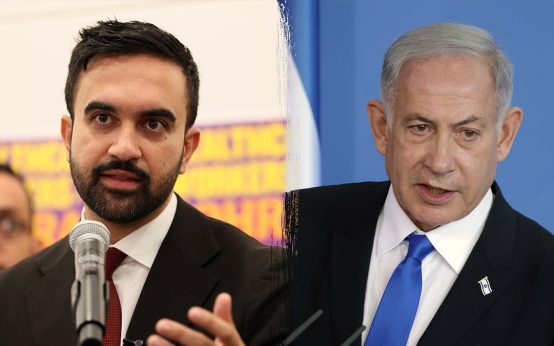 Mayor Mamdani Responds to Netanyahu’s United Nations Speech
 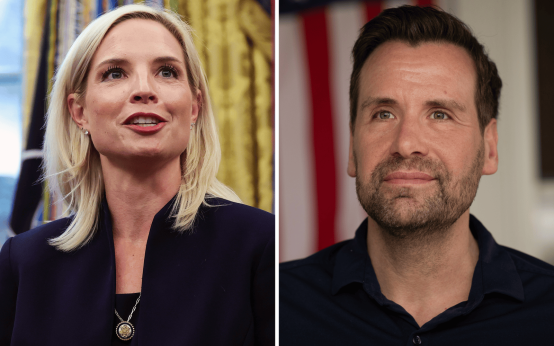 Iowa Senate Race: Attendance Records in Focus as Hinson and Turek Square Off
 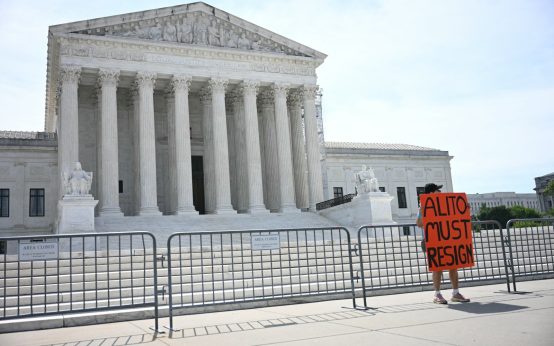 Justice Alito Discusses Supreme Court Decisions and Criticism
  Investigation Reopened in Allegations Against Education Board Candidate Hilario Dominguez
  Court Dismisses Case Against Noncitizen in Voting Charge
  Spending Trends in the Most Expensive Election Cycle