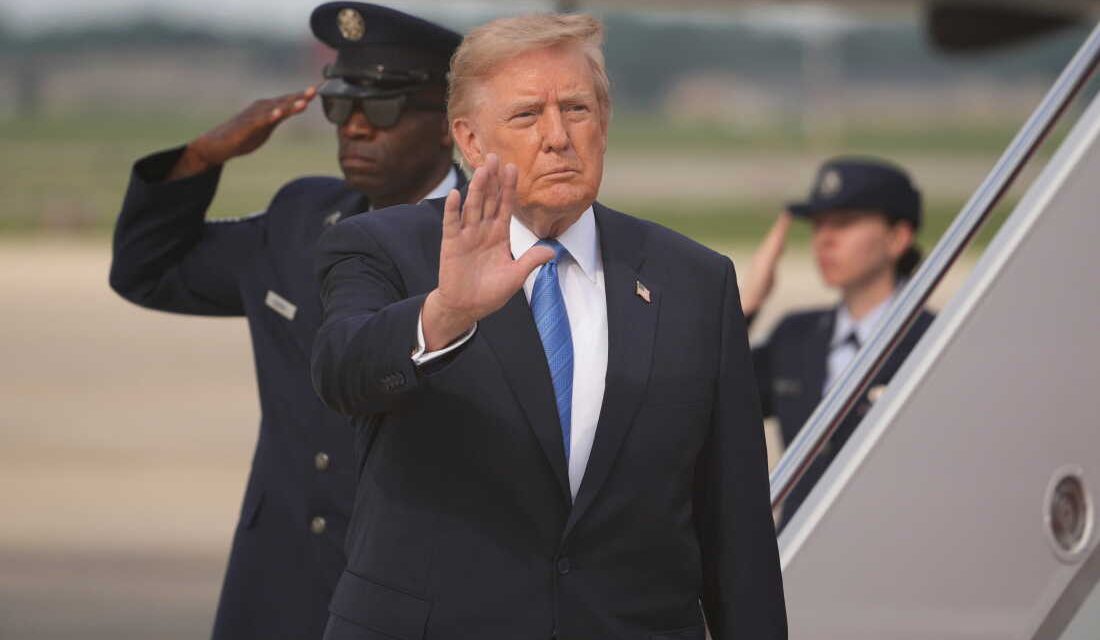
President Donald Trump announced a significant agreement between the United States and Venezuela that could grant the U.S. access to Venezuela’s substantial oil reserves. This could become the largest oil deal in history if successfully realized. The agreement was negotiated by Secretary of State Marco Rubio, Defense Secretary Pete Hegseth, and Venezuela’s Acting President Delcy Rodríguez.
Rodríguez’s government confirmed that the deal involves developing 17 oil fields with an estimated potential of 65 billion barrels. It could attract $100 billion in investments into Venezuela’s oil industry, producing over $209 billion in tax revenue for Caracas. Rodríguez stated that the deal would substantially impact Venezuela’s economic revival.
The agreement allows the U.S. to partner with an undisclosed private operator in Venezuela, forming a new private company to manage the reserves. An official familiar with the deal indicated that Rodríguez provided the company 100-year development rights for the fields. The U.S. would control 55% of the new company’s output, including an ownership stake and the right to purchase oil cheaply.
The U.S. is under pressure to address rising oil costs amid the ongoing conflict involving Iran, which affects oil passage through the Strait of Hormuz. The U.S. strategic petroleum reserves have decreased considerably, intensifying the need for alternative oil solutions. The average gas price in August was significantly higher compared to the previous year.
Despite the agreement, a quick drop in gas prices is unlikely, as boosting Venezuelan oil output demands extensive time and infrastructure investment. American oil companies remain cautious about re-engaging in the region due to past political instability and infrastructure challenges. Darren Woods, ExxonMobil’s CEO, described Venezuela as a challenging investment environment.
Marco Rubio emphasized on social media that the agreement promises extensive private investments and potential reductions in U.S. gas prices. The oil acquired from the agreement would replenish U.S. strategic reserves and be used for military purposes.
Venezuela holds some of the largest known oil reserves, estimated at 303 billion barrels. While these reserves are well-documented, the country’s deteriorating infrastructure limits production to 1% of global oil supply. Nicolás Maduro, Venezuela’s former president, remains detained in the U.S., facing charges related to narcoterrorism and drug trafficking.
Garcia Cano contributed reporting from Caracas.
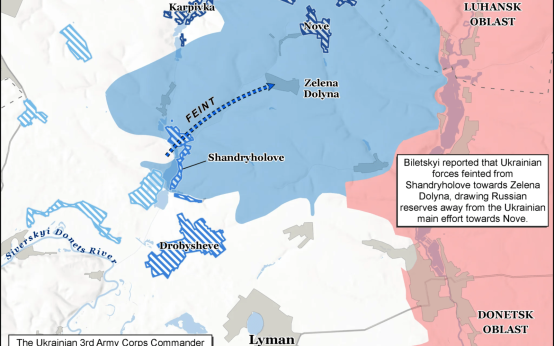 Ukraine Converts APCs to Explosive Devices in Donetsk Offensive
 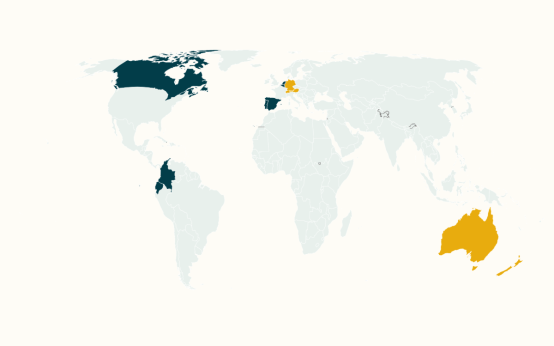 Dutch Review Board’s Euthanasia Ruling and International Debate
 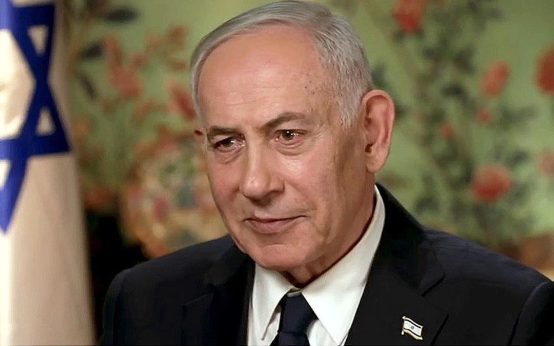 Israeli PM Commends Heroic Actions in Flight Emergency
 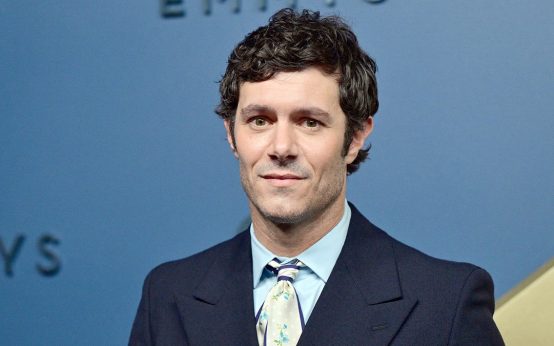 Rabbi and Jewish Leaders Criticize Adam Brody for ‘Genocide’ Comment
  Flydubai’s Emergency Landing Highlights Cockpit Security
 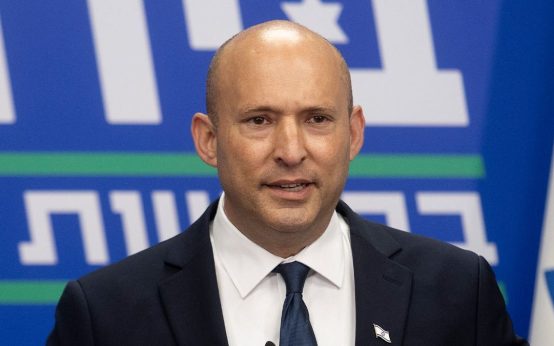 Former Israeli PM Naftali Bennett Commends Passengers and Crew for In-Flight Heroism