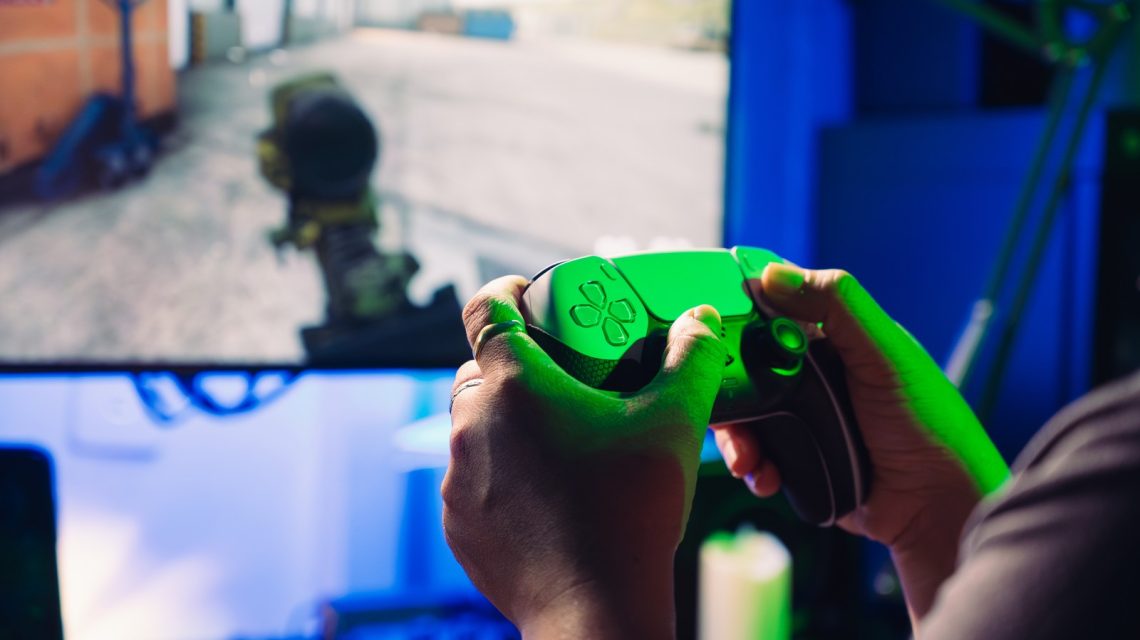
Millions of PlayStation users in the United States might receive payments from a proposed $7.85 million settlement involving Sony. The lawsuit, known as Caccuri v. Sony Interactive Entertainment LLC, claims Sony’s decision to restrict the sale of certain digital game vouchers by outside retailers led consumers to pay more for these games through the PlayStation Store.
Digital gaming marketplaces generate substantial revenue for game publishers, and an increasing number of consumers prefer downloadable games over physical copies. Alex Beene, a financial literacy instructor at the University of Tennessee at Martin, explained to Newsweek that some customers allege Sony limited the ability of competing retailers to sell game-specific download codes. This allowed Sony greater control over digital-game pricing.
Sony denies any wrongdoing, and a federal court has not concluded that Sony broke any laws. Nonetheless, the company has agreed to a $7.85 million settlement.
Allegations of Anticompetitive Conduct
Caccuri v. Sony Interactive Entertainment alleges that Sony aimed to monopolize the digital PlayStation game market. Before April 1, 2019, consumers could buy game-specific download vouchers from third-party retailers like GameStop, Best Buy, and Amazon. Plaintiffs argue these retailers often provided discounts, helping to keep prices competitive. After Sony stopped allowing retailers to sell these vouchers, plaintiffs say PlayStation users lost alternative buying options and paid more for certain digital games.
Alex Beene highlighted that this settlement is part of multiple events labeled as anti-consumer, citing Sony’s announcement to cease physical game production by 2028 as another concern for future game pricing and ownership.
Despite denying violations of federal antitrust or state laws, Sony reached the settlement to avoid continued legal costs and uncertainties. Newsweek sought comments from the company.
Michael Ryan, finance expert and founder of MichaelRyanMoney.com, commented that when a company controls both the platform and where customers can buy digital products, consumers risk losing one of their best protections against rising prices: competition.
Scheduled Hearing
A final fairness hearing is set for October 15 at 2 p.m. PT, overseen by Judge Araceli Martínez-Olguín in the U.S. District Court for the Northern District of California. The court will decide on whether to grant final settlement approval and authorize awards for plaintiffs.
Eligibility for Settlement
According to the settlement’s website, consumers might qualify if they:
- Lived in the United States.
- Purchased one or more qualifying digital games through the PlayStation Store between April 1, 2019, and December 31, 2023.
- Bought a game that previously had a game-specific voucher available from third-party retailers before April 1, 2019.
- Meet the settlement’s eligibility criteria for qualifying purchases.
Not all PlayStation Store purchases during the class period are eligible. The settlement applies solely to certain games meeting specific criteria set by the parties and the court, such as The Last of Us and third-party games like Mass Effect Trilogy and Resident Evil 4, as reported by CNET.
Michael Ryan noted that for consumers with active PlayStation Network (PSN) accounts, the proposed settlement is straightforward. Credits are expected to be automatically deposited without requiring claim forms.
Actions Required by Qualifying Customers
Most eligible consumers will not need to take any action. Settlement administrators state qualifying class members will automatically remain part of the settlement unless they opted out before the July 2 deadline.
If the settlement gains final approval, Sony will directly distribute compensation to eligible PSN account wallets as per the court-approved plan. Customers without active PSN accounts may still qualify. The settlement website advises users with inactive accounts to contact the settlement administrator with qualifying purchase details and a current mailing address to receive their entitled payment.
Alex Beene emphasized the benefit for gamers using PlayStation products is the lack of a complex claims process. As long as their PSN account is active, Sony can identify qualifying purchases and automatically allocate their settlement portion to their digital wallet.
Expected Timing for Payouts
The exact payment date remains uncertain. Eligible customers might receive compensation following the October 15 hearing and after resolving any potential appeals or challenges.
If the court finalizes approval without significant delays, qualifying customers could start receiving PlayStation Store credits once the settlement becomes official. The payment each customer receives will vary based on factors like the number of qualifying purchases they made and the total eligible purchases among all class members after deductions for attorneys’ fees, litigation costs, service awards, and administrative expenses.
Michael Ryan pointed out that while individual payouts won’t drastically change anyone’s financial situation, the principle is crucial. He stressed the importance of understanding the trade-off of convenience against losing the ability to shop around in a closed digital marketplace.
Contact Newsweek editors for this story: Kate Nalepinski and Anthony Murray.
 TikTok Couple Arrested for Alleged Arson in West Virginia
  21-Year-Old University of Georgia Student Survives Eight-Story Fall
  Texas Authorities Arrest Suspect Over Potential Capitol Attack
  Arizona State University Hockey Incident Leads to Coach’s Administrative Leave
  Senate Vote on Data Center Electricity Cost Legislation
  Fatal Hit-and-Run Leads to Additional Shooting Incident in Miami-Dade