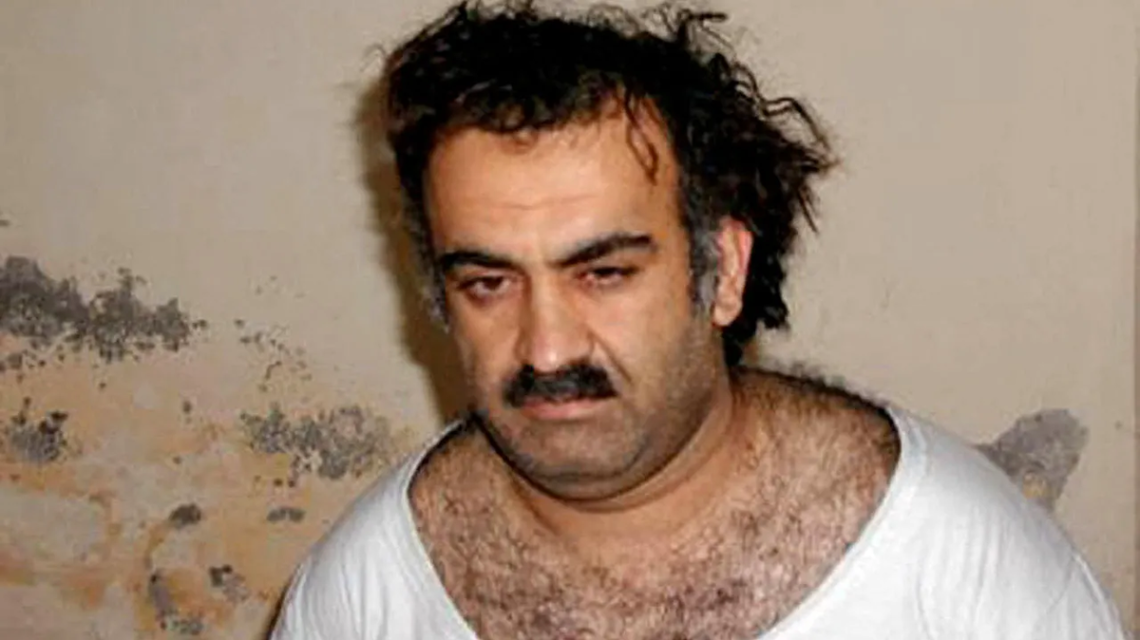
The judge who discarded Khalid Sheikh Mohammed’s confession, the alleged mastermind of the September 11 attacks, previously highlighted domestic extremism issues within the U.S. military linked to “conservative tendencies.” Air Force Judge Lt. Col. Michael Schrama threw out Mohammed’s 2007 confession, asserting it was not given voluntarily. This decision could prolong the trial process, already delayed nearly 25 years after the attacks that claimed nearly 3,000 lives. The judge rescheduled the trial to June 2028, rejecting prosecutors’ request for January 2027.
Schrama’s ruling received criticism, notably from journalist Gerald Posner, who described it as a “shameful prelude to the 9/11 anniversary.” Furthermore, Schrama’s 2023 essay for “War on the Rocks,” titled “Creating a Codified Legal Response to Domestic Extremism in the Ranks,” resurfaced, drawing attention to his concerns. In the essay, Schrama advocated for a new military legal provision to address increasing extremism among military personnel.
Khalid Sheikh Mohammed has been detained at Guantánamo Bay since 2003. Schrama previously served at Joint Base Langley-Eustis, Virginia, and as a staff judge advocate in Kuwait. Between 2017 and 2019, he specialized in environmental law. Schrama’s essay emphasized the growing number of military personnel engaging in extremist activities. He cited a Center for Strategic & International Studies study showing military personnel responsible for 17.6% of domestic terrorism plots.
Schrama noted that 12% of individuals charged in the January 6 Capitol riot had military experience, identifying military institutions’ conservative nature as a potential factor behind rising extremism. He argued that conservative tendencies make military personnel vulnerable to right-wing group recruitment. Schrama criticized the lack of legal mechanisms in the U.S. Criminal Code and Uniform Code of Military Justice to specifically address domestic extremism.
He referenced a 2019 case involving a Coast Guard officer guilty of gun and drug charges, accused of planning attacks on political figures due to the absence of a domestic terrorism statute. Ronald Flesvig, spokesperson for the Military Commissions Convening Authority, declined to comment on Schrama’s ruling and essay, published outside Schrama’s judicial role.
The cases of Mohammed and his co-defendants remain stalled in pretrial proceedings, with Schrama being the fifth judge assigned since 2025. White House senior advisor Stephen Mueller criticized Schrama’s decision, calling the judicial system “broken,” accusing it of protecting criminals while persecuting innocent Americans. Mueller expressed anger, labeling the situation “a disgrace, a travesty, an outrage.”
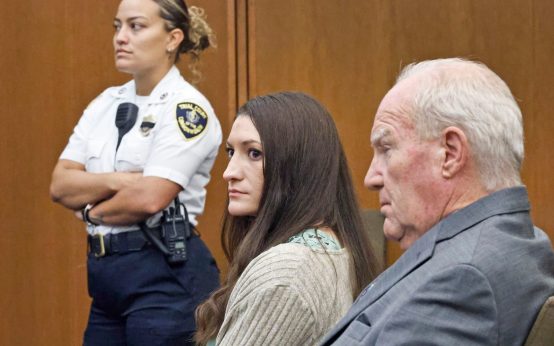 Lindsay Clancy Faces Potential Retrial After Mistrial
  Tennessee Prepares for Rare Execution of Woman on Death Row
  Mistrial in Lindsay Clancy Case: Juror Speaks Out
 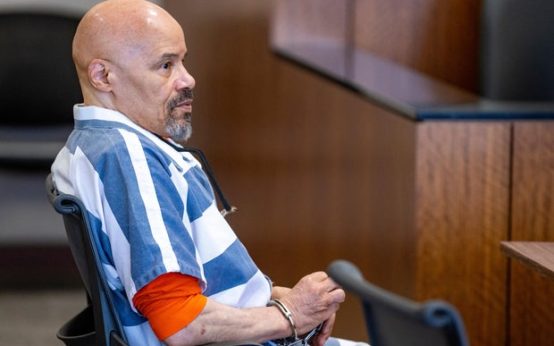 Utah Judge Orders Release of Man on Death Row After DNA Evidence Emerges
  Kurt Olsen Resigns from the Justice Department Amid Investigation
  New Developments in Cornell University Fraternity House Assault Case