Telling the Bees Fest: A Collaborative Effort
The Chicagoland Deathcare Education & Resource Festival, known as Telling the Bees Fest, represents a partnership between Wally’s Hearth and Caledonia Senior Living & Memory Care. Wally’s Hearth, a recent 501(c)(3) charity, collaborates with Caledonia Senior Living, supported by Chicago Scots—founded in 1845 as the Illinois St. Andrew Society. The festival’s name draws from a Celtic and British Isles tradition of informing household bees about significant family events.
Understanding the Festival’s Concept
Tiffany Johnson, co-founder and executive director of Wally’s Hearth, emphasizes nature’s role in this tradition. She notes the Southern heritage of co-founder Lydia Manning, mentioning how Scottish immigrants in the South set up beehives, sharing news of births and deaths with them. Gus Noble, president of Caledonia Senior Living and Chicago Scots, elaborates on the symbolic nature of bees. He suggests they embody the interconnectedness and community bonds that support individuals through life’s major milestones.
Festival Details and History
The festival is scheduled for September 12, from 10 a.m. to 4 p.m., at Caledonia Senior Living, 2800 Des Plaines Avenue, North Riverside. Access to the event is free, with volunteers, sponsors, and attendees encouraged to register via [email protected]. As Noble explains, the facility’s history includes raising livestock, with aspirations to reinstate bee hives, reflecting Scottish culture and caregiving traditions at Caledonia.
Innovative Hospice Model
Wally’s Hearth operates as a pioneering social model hospice home in Illinois. Johnson describes it as a nonmedical facility offering final care without cost, alleviating families’ burdens. Although challenges arose in opening a new hospice home at Caledonia, the absence of physical space hasn’t impeded the organizations’ mission.
The Need for End-of-Life Discussions
Noble and Johnson acknowledge that many avoid conversations about end-of-life planning. Noble highlights the strife stemming from this lack of preparation. The festival aims to bridge knowledge gaps, aiding families in making informed decisions. Johnson discusses exposing attendees to diverse options, from green burials to body donations, facilitated by caregivers versed in supporting aging populations.
Festival Activities and Inclusivity
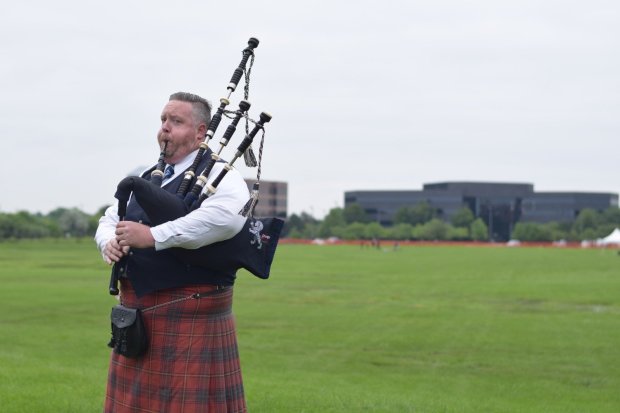
Music, food, and presentations enrich the festival experience. Chicago’s Threshold Choir offers bedside performances, complemented by other musicians, including a bagpiper—a cultural staple at Scottish memorials. Johnson emphasizes inclusivity, encouraging multigenerational attendance to foster discussions bridging understanding of grief across ages.
A New Perspective on End-of-Life Planning
Noble urges attendees to engage creatively with funeral planning. Resource stations enable consultations with legal experts and hospice representatives. Donations support both organizations and possible future festivals. Noble reflects on personal experiences, sharing the relief offered by predefined plans that alleviate stress for surviving family members.
Community Connection and Future Aspirations
As the festival seeks to reduce death-related stigma, Johnson hopes attendees leave empowered to initiate conversations about their own plans, inspired by the telling of bees—a narrative underscoring communal sharing. She envisions the festival as a catalyst for more open, loving, and safe discourse around life-ending stages, fostering a richer community dynamic.
 Freddy’s American Adventure: From Soccer to College Football
  Effective Skincare Routine for Men with Particle Moisturizer
  Rising Trend: Solo Travel Gains Popularity
  Prepare for Rainy Fall Weather with Discounted Rain Jackets
  The Quest for the Knuckleball Dream
  Review: Stokke Nighti 3-in-1 Convertible Cot Bed