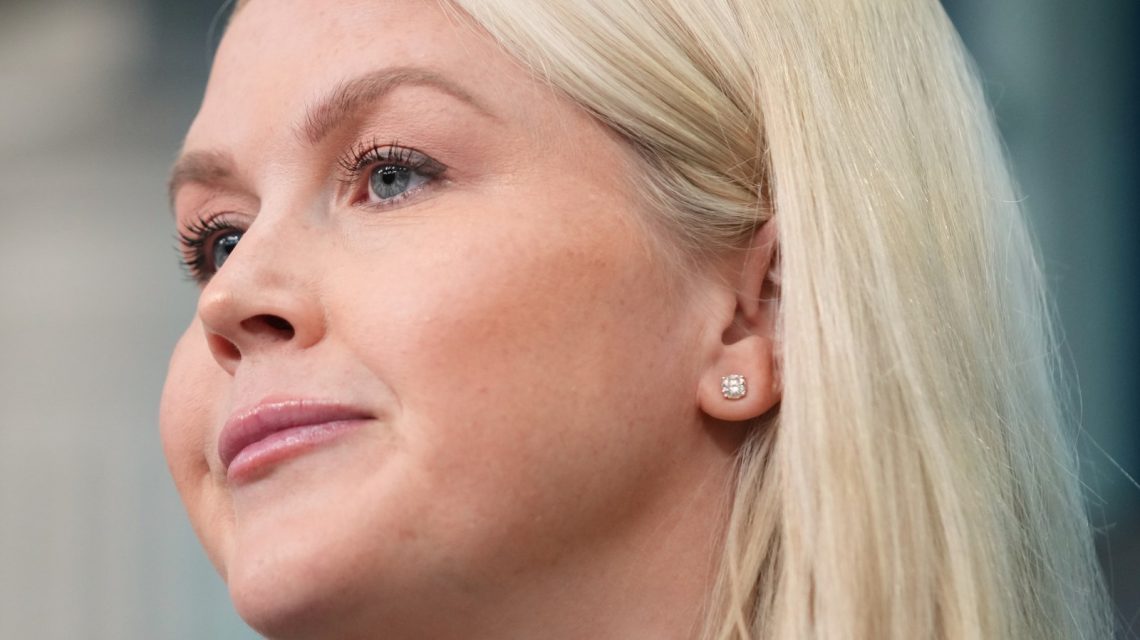
White House Press Secretary Karoline Leavitt criticized her own generation, Gen Z, for being “raised with silver spoons in their mouths” and “a little bit” lazy. She made these comments during a conversation with Fox News host Jesse Watters on Jesse Watters Primetime. At 28 years old, Leavitt was discussing young Democrats when she aimed her criticism at her entire generation.
The discussion focused on young Democratic voters who back progressive candidates like New York City’s Mayor Zohran Mamdani. These candidates, labeled as “godless communists” by President Donald Trump, achieved success in recent New York primaries with youth support. Watters commented on the youth’s complaints about high living costs, questioning how their actions resonate. Leavitt responded by lamenting her generation’s upbringing, highlighting a disconnect from traditional values of meritocracy and hard work.
“Some of these kids…are in their twenties and have never had real jobs, and they’re complaining that things are expensive,” Watters stated. “Yes, things are expensive when you don’t have a real job.”
Addressing the perceived laziness of her generation, Leavitt attributed it to “liberal indoctrination,” criticizing the public education system and praising homeschooling. Watters suggested military service as a corrective measure for misbehavior.
The notion of a lazy generation is not new. Millennials have faced similar accusations, with their struggles often linked to luxury items like avocado toast. Now, Gen Z confronts accusations of sloth regarding inflation and economic challenges, with their consumption choices, such as iced matcha lattes, coming under scrutiny.
The American Dream and Economic Struggles
A CNBC and SurveyMonkey poll revealed that 42% of Gen Zers believe the American Dream is achievable only for some, and only 22% feel they have achieved it. In contrast, 68% of baby boomers think they have reached their version of the dream. Many Americans, across generations, cite the cost of living (81%) as a primary barrier.
Financial insecurity among Gen Z is reflected by employment data. The unemployment rate among Gen Z varies, reaching as high as 14.6% for ages 16 to 19 and 7.1% for those 20 to 24. This contrasts with 3.7% unemployment among ages 25 to 54.
Housing Market Challenges
Housing prices have increased by 60% since the pandemic started. Mortgage rates have doubled from pandemic lows. The Census Bureau reported the U.S. homeownership rate at 65%, the lowest since 2019. The median age for first-time homebuyers is now 40, indicating Gen Z’s delayed entry into homeownership.
While Gen Z supported a rightward shift in the 2024 presidential election, their economic challenges are eroding confidence in Trump. An Institute of Politics poll noted inflation and housing costs are significant concerns, with 45% struggling financially.
The Economist/YouGov poll shows Trump’s net approval among 18 to 29-year-olds at minus 45, reflecting deep discontent.
Future Political Implications
Despite potential Democratic advantages in upcoming elections due to Gen Z disillusionment with Trump, Gallup data indicates neither party fully captures this generation’s support. A January survey found 17% identify as Republicans, 27% as Democrats, and 56% as Independents.
For further comment, Newsweek editors Tobias Meyjes and Gray R. Thomas can be contacted.
 Byron Donalds Targets Black Voters in Florida Governor Race
  FBI Director Kash Patel Announces Engagement to Country Singer Alexis Wilkins
  Brazil’s Presidential Race Heads to Runoff
  Sen. Thom Tillis Criticizes Trump’s Administration in New Book
  Controversy Surrounds Steve Hilton’s Campaign Ad Amid Gubernatorial Race
  Trump Calls for Probe into Alleged ‘Paid Protesters’