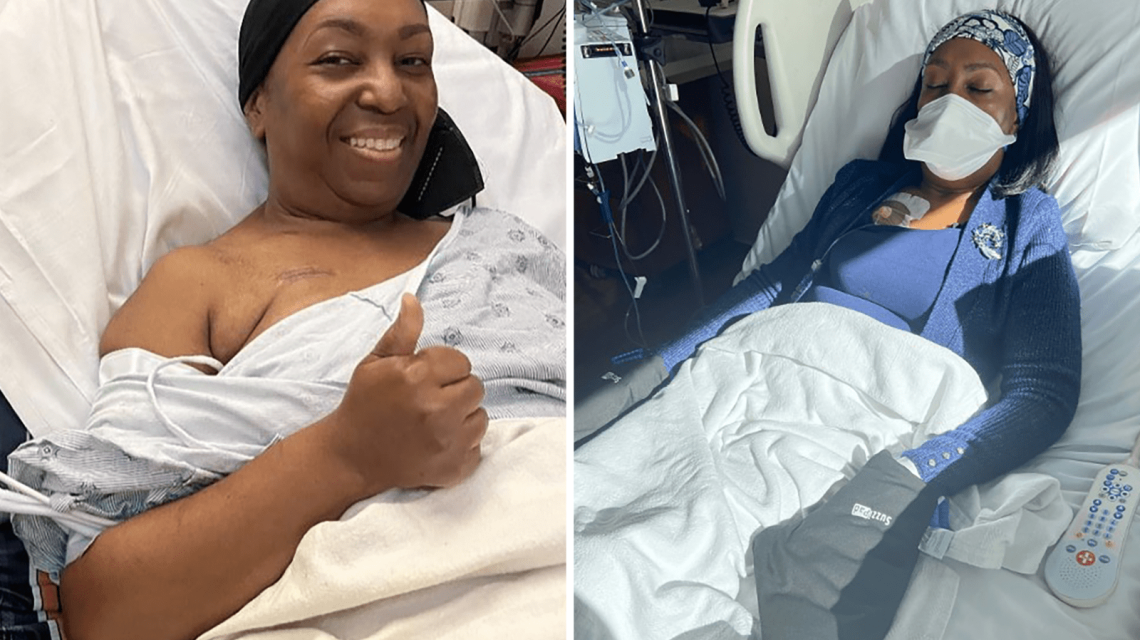
June 5, 2025, marked a significant turning point in my life. That day, I received a stage 4 ovarian cancer diagnosis. Just a month before, I had retired from teaching at a major Chicago university and was close to finishing a book set for release the following year. Life took an unexpected turn.
Instead of a peaceful retirement, I faced a battle for survival. Ovarian cancer, a dangerous growth in the ovaries, is often asymptomatic in early stages. It usually remains undetected until stage 3 or stage 4.
Six months before the diagnosis, a routine pap smear didn’t reveal any issues. Unfortunately, ovarian cancer requires specialized scans not common in regular exams. Although I’d felt generally healthy and only experienced minor symptoms like weight loss, the situation quickly escalated. A sudden episode of weakness and a racing heart took me to the emergency room.
After admission to the hospital, doctors found a mass on my ovary that had caused a blood clot. The cancer diagnosis soon followed, leaving me in shock, especially since there was no family history of cancer. I felt frustrated, as this illness threatened my plans to publish a book about Sylvia Moy, a pioneering figure in Motown Records. Moy became the label’s first female songwriter-producer in 1964, collaborating with legends like Smokey Robinson.
My life felt disrupted by the diagnosis. I had poured effort into the book, seeing it as my child in a way, as I have no children. The thought of not giving voice to Moy’s story, after her passing in 2017, was unbearable.
My treatment involved major surgery and six rounds of intense chemotherapy. Although chemotherapy promised to save my life, it also posed risks, such as damaging my immune system. One potential side effect, neuropathy, particularly worried me. As a writer, I feared losing the ability to use my hands effectively. To prevent this, I endured painful sessions with ice mittens during each treatment.
Emerging victorious from this experience changed me. Music, long a source of solace for me, played an essential role in my healing journey. While battling cancer, I realized the book was not only preserving Moy’s legacy but also fueling my will to survive. Writing about her significant contribution invigorated my spirit during this challenging time.
Post-treatment, I shifted my focus to thrive intentionally. This experience taught me to appreciate every moment and find positivity in adversity. As Black women, many of us face similar struggles, often being overlooked or undervalued. Yet, we persist and rise above these challenges.
Now cancer-free, I remain committed to my mission as a writer to highlight important stories. The support of loved ones and faith have guided my recovery. With renewed purpose and resilience, I embrace my journey ahead, inspired by music and storytelling.
In Sylvia Moy’s words, “And this is love.”
Dr. Margena A. Christian is the author of It’s No Wonder: The Life and Times of Motown’s Legendary Songwriter Sylvia Moy. A professor emeritus, she served as director of internships for undergraduate English and professional writing studies at the University of Illinois Chicago and worked as an editor at EBONY and JET magazines.
All opinions shared in this article are the author’s own.
If you have a personal essay, consider sharing it with Newsweek through [email protected].
 Trump Administration Distributes ACA Refund Checks
  Higher Consumption of Ultra-Processed Foods Linked to Increased Health Risks
  The Quest for the Knuckleball Dream
  Navigating Grief After a Sibling’s Overdose
  Understanding Inflammation: Myths and Facts
  Calm Parenting: Strategies to Manage Stress