
For some women in Arkansas, accessing essential healthcare services can be a daunting task. Routine prenatal visits often require driving an hour or more. This reality is partly due to the state’s status as a leading ‘pro-life’ state. It has been named the most pro-life state for six consecutive years by Americans United for Life.
However, a report by the March of Dimes highlights a significant challenge: 33 of Arkansas’s 75 counties, which amounts to 44 percent, are considered maternity care deserts. These are areas devoid of hospitals or birth centers that provide obstetric care. Furthermore, no obstetric clinicians are available in these regions.
The term ‘maternity care desert’ refers to regions where pregnant women have limited or no access to adequate prenatal and childbirth care. For many expectant mothers, this lack of nearby facilities means traveling long distances, sometimes for hours, to reach the nearest healthcare provider.
This situation emphasizes the disparity between Arkansas’s pro-life legislative stance and the practical availability of necessary maternity services for women. The gap raises questions about the state’s infrastructure in support of women and children, especially in rural areas.
 Cargo Plane Crash at Miami International Airport
  Marine Veteran Suing Oregon School District Over Curriculum Reimbursement
 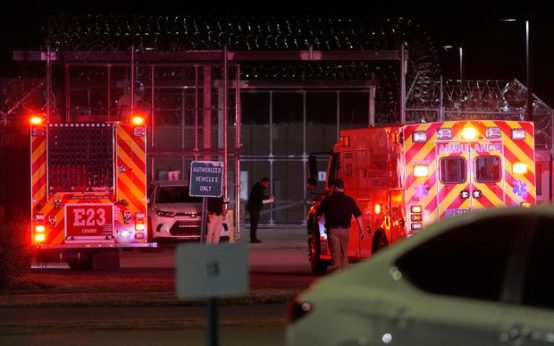 Tennessee Execution Halted as Issues Persist with Lethal Injection Protocol
  Judge Dismisses Case Against Former Olympian Over Lincoln Memorial Incident
  Minnesota Family Files Civil Rights Lawsuit Over ICE Agent Shooting
  Increased Funding Needed for Psychiatric Hospitals